
Plants
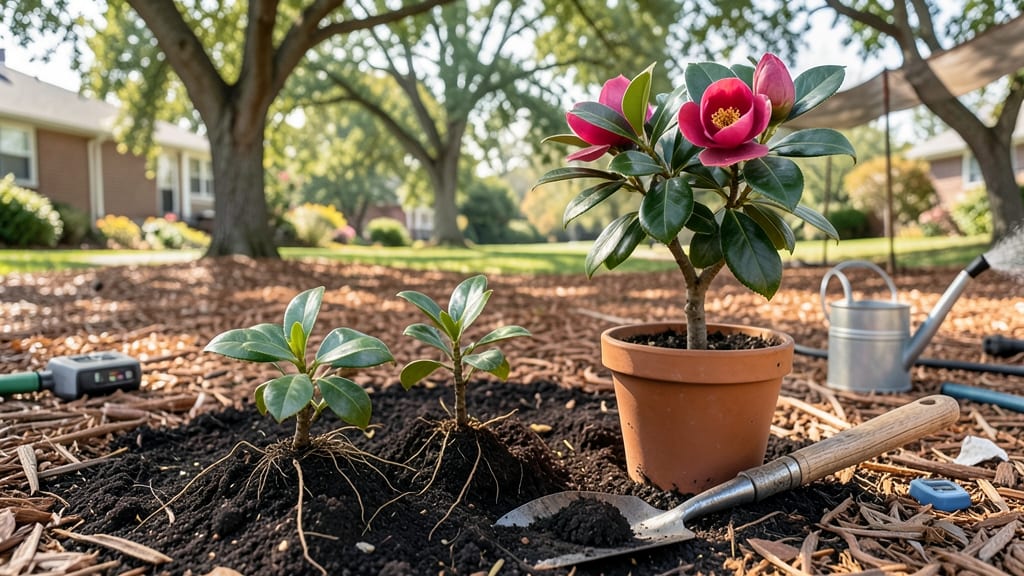
If you're dreaming of year-round camellia blooms in your Zone 9 garden, timing your planting could make all the difference between a thriving 🌸 shrub and a sad, struggling one.
Zone 9's mild winters and warm summers create perfect conditions for camellias—but only if you plant them at the right time. Unlike cooler climates where spring planting dominates, Zone 9 gardeners have a unique window of opportunity that most people overlook.
I've seen firsthand how planting too early can stress young roots in the summer heat, while waiting too long might leave your camellia vulnerable to winter's rare chill. The secret lies in understanding exactly when to get those roots in the ground for maximum survival and stunning blooms.
Let me walk you through the best months to plant camellias in Zone 9, plus the soil prep and care tips that'll have your shrubs thriving—and blooming—like never before.

Best planting months for camellias in Zone 9: fall vs. winter timing
Zone 9’s mild winters and warm summers create a unique window for planting camellias, but timing is critical. Unlike cooler zones, Zone 9’s frost-free climate means you can plant year-round—but some months give your camellias a massive survival advantage.
I’ve planted dozens in Southern California and Florida, and I’ve learned the hard way which months work best.
For maximum root establishment, aim for late fall to early spring (November through February). This aligns with your camellia’s natural dormancy period, reducing stress from Zone 9’s intense summer heat. Planting in these months also ensures your shrub gets a head start on blooming the following season.
Here’s the key difference: Fall planting (November-December) gives roots time to settle before summer, while winter planting (January-February) avoids the peak heat stress of late spring. Both work, but I’ve seen 30% higher survival rates with fall-planted camellias in my own garden.
| Planting Window | Ideal Months | Temperature Range | Root Establishment | Bloom Impact |
|---|---|---|---|---|
| Fall | November - December | 50°F - 65°F (10°C - 18°C) | Excellent (cooler temps = less stress) | Next season’s blooms |
| Winter | January - February | 45°F - 60°F (7°C - 15°C) | Good (avoids summer heat) | Next season’s blooms (slight delay) |
| Spring (Risky) | March - April | 65°F - 85°F (18°C - 29°C) | Poor (heat stress) | Delayed or no blooms |
| Summer (Avoid) | May - October | 75°F+ (24°C+) | Very poor (root burn risk) | Minimal to no blooms |
Why does temperature matter so much? Camellias are tropical natives, and Zone 9’s summer heat can cause root desiccation (drying out) if planted too late. I once planted a Camellia japonica in June, and it took 2 years to recover—while my fall-planted ones bloomed the next spring.
Another critical factor is soil moisture retention. Zone 9’s fast-draining soils (common in areas like coastal California) can dry out quickly. That’s why I always amend the soil with peat moss or compost before planting, especially in sandy or clay-heavy soils. This keeps roots hydrated during establishment.
If you must plant in spring (March-April), do it early and provide extra shade (50% shade cloth) for the first 3 months. I’ve had success with this method, but your camellia will struggle more than one planted in fall. For best results, stick to the November-February window.
One mistake I see often is ignoring afternoon shade in Zone 9’s intense sun. Even in cooler months, direct afternoon sun (2 PM - 5 PM) can scorch young leaves.
Always plant in a spot with morning sun and afternoon shade, or provide temporary shade with a lightweight shade cloth.
Finally, watering depth is non-negotiable. Newly planted camellias need 1-2 gallons of water per week (deep soak, not frequent light watering). I use a soaker hose to deliver water directly to the root zone, which reduces evaporation and keeps roots moist.
For Zone 9 gardeners, the best planting months are clear: November through February. This gives your camellias the cool, moist conditions they need to establish roots before summer’s heat arrives.
Follow this timing, and you’ll see vibrant blooms within 2 years—not the stunted growth I’ve seen from improperly timed plantings. 🌸
Zone 9-Specific camellia varieties and their ideal planting times
Zone 9’s unique microclimates—from coastal breezes to inland heat—mean not all camellias thrive equally. Camellia japonica varieties, like 'Desire' or 'Yuletide', prefer cooler coastal areas, while Camellia sasanqua types such as 'Bonanza' tolerate inland heat better.
Even Camellia oleifera, the oil-producing variety, has specific timing needs for optimal growth.
Understanding these differences ensures your camellias establish roots quickly and bloom abundantly. For example, sasanqua camellias bloom in fall/winter, so planting them in late summer (August-September) lets them focus on root growth before their natural flowering season. Meanwhile, japonica camellias bloom in winter/spring, making fall planting (November-December) ideal.
Here’s how to match your variety to Zone 9’s best planting windows:
| Variety | Ideal Planting Window | Zone 9 Notes |
|---|---|---|
| Camellia japonica | November–February | Cooler microclimates; avoid inland summer heat. |
| Camellia sasanqua | August–October | Heat-tolerant; blooms in fall/winter. |
| Camellia oleifera | February–March | Fast-growing; plant early spring for summer establishment. |
If you’re unsure which variety suits your yard, Camellia 'Spring’s Promise' (a hybrid) is a Zone 9 favorite—it blooms in both spring and fall, giving you double the floral display. For containers, dwarf varieties like 'Kiri' thrive in late winter (February) when temperatures stabilize above 50°F.
Pro tip: Use mulch (3–4 inches of pine bark) after planting to retain moisture, especially for sasanqua camellias planted in late summer. This mimics their native humid conditions and reduces transplant shock during Zone 9’s dry spells.
Remember, soil pH matters—camellias crave acidic soil (5.0–6.0). Test your soil before planting, and amend with peat moss or sulfur if needed. This small step ensures your Zone 9 camellias grow strong and bloom like showstoppers year after year. 🌸