
Plants
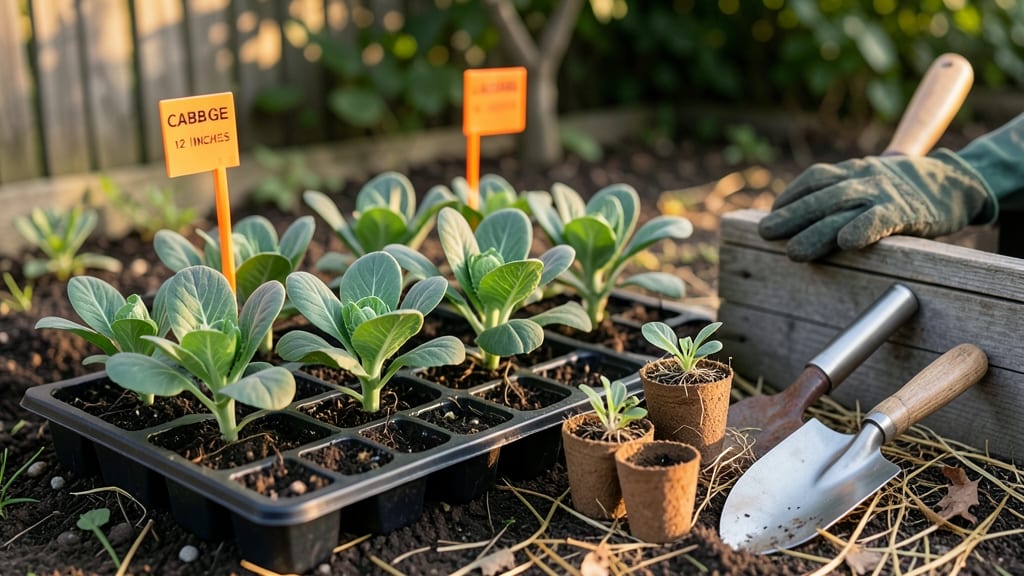
Timing your 🥬 cabbage planting in Indiana right is the difference between a bountiful harvest and wasted effort. With Indiana's 6a zone and unpredictable frost dates, getting it wrong can mean losing your entire crop to early freezes or bolting before heads form.
Most gardeners know spring is the prime window, but late summer plantings can extend your harvest into fall. The key lies in understanding your last frost date—typically around April 15—and choosing varieties that match your growing season length.
In this guide, I’ll break down exactly when to plant for both spring and fall harvests, which varieties thrive in Indiana’s climate, and how to stretch your growing season with simple tricks. Whether you're a first-time gardener or a seasoned pro, these insights will help you maximize your yield.
Ready to grow crisp, flavorful heads all season long? Let’s dive into the perfect planting schedule tailored just for Indiana gardeners like you.
Indiana cabbage planting dates by frost zone (2024 guide)
Indiana’s frost dates vary dramatically between northern and southern regions, making precise timing essential for cabbage success. The last spring frost typically arrives between April 15 and May 1, while the first fall frost hits October 15 to November 1.
These dates create a 165-day growing window, perfect for two planting cycles: early spring and late summer.
For northern Indiana (Zone 5a-5b), where frosts linger longer, you’ll need to time transplants carefully to avoid cold snaps. Meanwhile, southern Indiana (Zone 6a-6b) gardeners enjoy a slightly extended season, allowing for later fall harvests.
The key is matching your cabbage variety to your local frost zone and planting 4-6 weeks before the last frost for spring crops.
Here’s how to align your planting with Indiana’s frost patterns for maximum yield, using variety-specific recommendations:
| Zone | Last Spring Frost | First Fall Frost | Spring Planting Window | Fall Planting Window | Best Varieties |
|---|---|---|---|---|---|
| 5a (Northern IN) | April 20–May 1 | October 1–15 | March 15–April 15 | July 15–August 15 | ‘Golden Acre’, ‘Early Jersey Wakefield’ |
| 5b (Central IN) | April 10–20 | October 10–20 | March 20–April 20 | July 1–August 10 | ‘Red Express’, ‘Savoy King’ |
| 6a (Southern IN) | April 5–15 | October 20–November 1 | March 25–April 25 | July 10–August 20 | ‘Cavalo’, ‘Patriot’ |
Northern Indiana’s shorter growing season demands early-maturing varieties like ‘Golden Acre’, which can be harvested in just 60 days. Plant these transplants in late March to mid-April for a May-June harvest before summer heat sets in.
For fall crops, start seeds indoors in July and transplant by mid-August to beat the frost.
In southern Indiana, where summers are hotter, heat-tolerant varieties like ‘Patriot’ shine. These can handle late-summer planting (up to August 20) and still produce heads before frost.
The trick is succession planting: stagger your transplants every 2 weeks to ensure a continuous harvest from June through October.
Pro tip: Use a frost calendar from your local Cooperative Extension office—Indiana’s Purdue Extension provides hyperlocal frost data that can shift planting windows by 1-2 weeks depending on your exact location. For example, Gary (Zone 5b) might plant 1 week later than South Bend (Zone 5a).
Always harden off transplants for 7-10 days before setting them in the ground. Indiana’s chilly nights can shock tender seedlings, so acclimate them gradually to outdoor conditions. Pair this with row covers for early spring or late fall planting to extend your season by 3-4 weeks.
Remember: Soil temperature matters just as much as air temperature. Cabbage thrives in soil above 45°F, so wait until mid-April in northern Indiana or early April in southern regions. Use a soil thermometer to confirm—cold soil delays germination and stunts growth.
Finally, track your local frost dates for the next 3 years to spot patterns. Indiana’s climate is unpredictable, but with data-driven planting, you’ll minimize frost risk and maximize your cabbage yield. Start with these zone-specific guidelines, then adjust based on your microclimate.
Best cabbage varieties for Indiana’s short vs. long growing seasons
Indiana’s variable frost dates and short growing seasons in northern regions demand cabbage varieties that thrive under pressure. Whether you’re battling early spring frosts or sweltering summer heat, the right variety ensures a reliable harvest.
For example, ‘Golden Acre’ excels in cool weather, while ‘Red Express’ handles late-season heat better than most. Let’s break down the best options for your location and season.
Northern Indiana (USDA Zones 5a-5b) faces earlier frosts and shorter summers, so cold-hardy varieties like ‘Early Jersey Wakefield’ (58-day maturity) are ideal. This variety tolerates light frosts and produces compact heads perfect for early spring harvests.
Meanwhile, southern Indiana (Zones 6a-6b) can handle slightly later plantings, making ‘Copenhagen Market’ a great choice—its heat tolerance extends the harvest window into early fall.
- ✔️ Thrives in cool spring temps
- ✔️ Faster maturity (50-60 days)
- ✔️ Resists bolting in heat
- ✖️ Struggles in summer heat
- ✖️ Smaller head sizes
- ✔️ Handles late summer heat
- ✔️ Larger mature heads
- ✔️ Extends harvest window
- ✖️ Needs longer growing season
- ✖️ Risk of bolting if planted too early
For northern Indiana gardeners, prioritize early-maturing varieties like ‘Early Snowball’ (55 days) or ‘Beltsville Bounty’ (60 days). These are perfect for spring plantings and can handle light frosts. If you’re in southern Indiana, consider ‘Red Express’ (65 days) or ‘Super Red 80’ (80 days) for late-season harvests.
The latter’s heat tolerance lets you push harvests into October without risking frost damage.
Pro tip: Mix varieties to stagger harvests. Plant ‘Golden Acre’ in early spring for a May harvest, then follow with ‘Copenhagen Market’ in late summer for a fall crop. This succession planting strategy ensures fresh cabbage all season long, even in Indiana’s unpredictable climate.
Color matters too! Green varieties like ‘Golden Acre’ are versatile for cooking, while red or purple types like ‘Red Express’ add visual appeal to salads. Savoy cabbage, with its crinkled leaves, stores longer and resists pests better than smooth-leaved types.
Choose based on your culinary goals and storage needs.
Always check seed packets for days to maturity and planting recommendations. For Indiana, aim to harvest before the first frost (typically mid-October in the north, late October in the south).
With the right variety, you’ll enjoy homegrown cabbage from spring to fall—no matter where you garden in the Hoosier State! 🥬