
Plants
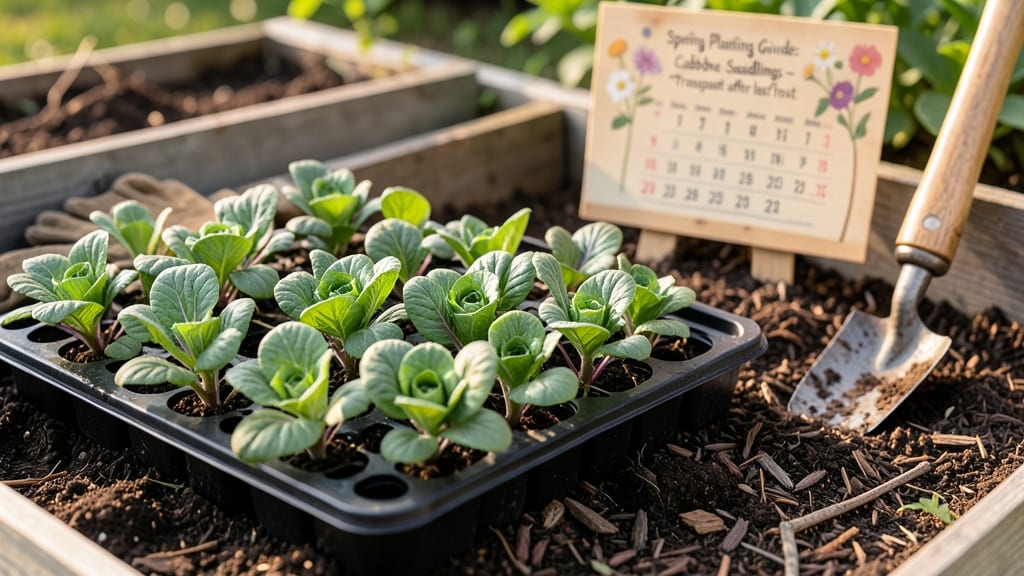
Timing your cabbage planting in California isn’t just about the calendar—it’s about surviving the Gold Rush of weather shifts from coastal fog to inland heat.
Get it wrong, and you’ll either freeze your seedlings or watch them bolt into bitter flowers before you even harvest that crisp 🥬 head you’ve been dreaming of.
Here’s the truth: coastal areas like San Diego (USDA Zone 9b-10a) can play by different rules than inland valleys like Fresno (Zone 7b-10a). Plant too early, and frost zaps your progress; too late, and summer heat turns your cabbage into a sad, split mess.
I’ve grown cabbage in both climates, and the difference between a thriving winter crop and a failed spring attempt comes down to one critical window—and I’m about to reveal it.
Whether you’re a first-time gardener or a seasoned grower, mastering these timing tricks will mean the difference between a year-round harvest and a season of disappointment. Let’s break down exactly when to plant for your specific microclimate—because in California, cabbage doesn’t care about your good intentions.
From transplanting seedlings in August for a winter feast to avoiding the dreaded spring bolting, I’ll walk you through the exact months that work in your backyard. Spoiler: it’s not as simple as “spring and fall”—the devil’s in the details, and I’ve got them covered.
Optimal cabbage planting calendar for California’s coastal vs inland regions
Cabbage thrives in California’s cool seasons, but timing varies dramatically between coastal and inland zones. Coastal areas like San Francisco and Santa Barbara enjoy milder winters, while inland valleys like Fresno and Sacramento face hotter summers and colder nights.
Plant too early, and your cabbage bolts; too late, and you risk stunted growth from heat stress.
For head cabbage varieties, aim for a 60–80-day growth window before harvest. This means starting seeds or transplanting 6–8 weeks before your region’s first frost. In Southern California, that’s August–September for fall crops, while Northern California gardeners should plant March–April for spring harvests.
🌱 Key Takeaway: Coastal cabbage can handle fall planting until October, but inland areas must finish by mid-August to avoid summer heat.
In coastal California, where winters are mild, you can extend your growing season. Start transplants in late August for a fall harvest by December, or plant February–March for a summer crop.
The cooler ocean breezes delay bolting, giving you flexibility. However, avoid planting after mid-October, as days grow shorter and heads may not firm up properly.
For inland regions, focus on one fall crop (August planting) to escape summer heat. Spring planting is risky due to 90°F+ temperatures, which cause cabbage to bolt prematurely. Use shade cloth if you must plant in late spring, but prioritize fall transplants for the best results.
Pro tip: Check your local USDA zone. Southern California’s Zone 9b–10a allows year-round planting with shade, while Northern California’s Zone 7b–9a demands precise timing to avoid frost damage. Always verify your last frost date using the Almanac’s Frost Calculator for your ZIP code.
If you’re growing Chinese cabbage or Napa cabbage, timing shifts slightly. These varieties tolerate warmer temperatures and can be planted 2–3 weeks later than head cabbage. For example, in Los Angeles (Zone 10a), you can plant Chinese cabbage until October and still harvest before winter rains arrive.
💧 Watering Tip: Coastal cabbage needs 1–1.5 inches of water weekly, while inland plants require daily watering during their critical head-forming stage (4–6 weeks after transplanting). Use drip irrigation to keep foliage dry and prevent disease.
How to adjust cabbage planting for California’s microclimates
California’s microclimates can shift cabbage success from bitter disappointment to crisp perfection—especially when comparing coastal San Diego to inland Fresno. The key? Tailoring planting dates to your specific zone’s temperature extremes and frost patterns.
For example, Central Valley areas like Sacramento experience hotter summers (100°F+), while coastal Santa Barbara stays mild year-round. Let’s break down how to adapt your schedule for these three critical regions.
Start by checking your local frost dates. In Southern California (e.g., Los Angeles, San Diego), the last frost typically occurs around December 15, while Northern California (e.g., Sacramento, Redding) sees frost as late as January 15.
For high-desert areas like Fresno or Bakersfield, nights can drop below 30°F—even in summer—so row covers become essential for young plants. Coastal regions, however, rarely dip below 40°F, allowing for earlier spring plantings without frost risk.
🌱 Numbered Highlights: Adjusting Planting for California’s Microclimates
- 1. Coastal Zones (e.g., San Diego, Santa Cruz): Plant fall crops from August 1–September 15 for winter harvests. Spring plantings can start as early as February 15 due to mild winters.
- 2. Central Valley (e.g., Sacramento, Fresno): Avoid summer heat—plant fall crops by July 15 and spring crops in February–March. Use shade cloth for June plantings.
- 3. High Desert (e.g., Palm Springs, Bakersfield): Plant only in fall (August–September) or early spring (February). Nighttime frost can damage plants even in summer.
- 4. Succession Planting Tip: For year-round harvests, stagger plantings every 2–3 weeks in coastal areas. Inland regions should limit to fall and spring only.
- 5. Soil Prep Hack: Amend soil with compost and sand in heavy clay zones (common in Central Valley) to improve drainage and prevent rot.
If you’re in a Mediterranean coastal climate (like San Francisco or Monterey), take advantage of cool summers to try late-spring plantings (May–June) for summer harvests.
However, avoid planting after June 15 in inland areas—heat stress above 80°F causes cabbage to bolt prematurely or develop bitter, loose heads. For high-desert gardens, focus on fall crops and use drip irrigation to keep soil evenly moist during dry days.
Another critical adjustment? Seedling age at transplant. In cooler coastal areas, you can plant smaller seedlings (4–6 weeks old) as early as late January. But in hotter inland zones, opt for larger, more established seedlings (6–8 weeks old) to outpace heat stress.
Pro tip: Hardening off seedlings for 7–10 days before transplanting—especially in windy coastal regions—reduces transplant shock by 50%.
For succession planting, coastal gardeners can squeeze in 3–4 harvests per year by planting every 3 weeks from August to May.
Inland growers should limit to 2 harvests (fall and spring) and prioritize fast-maturing varieties like ‘Golden Acre’ (58 days) or ‘Red Express’ (60 days) to avoid summer bolting. Always space plants 12–18 inches apart—crowding stresses roots and invites pests like cabbage worms.
Finally, monitor local weather patterns closely. Use tools like the California Climate Tracker to predict unusual heatwaves or early frosts. For example, 2020’s heat dome pushed Sacramento temps to 110°F in June, turning cabbage plants into bitter, inedible stalks within weeks.
By adjusting your planting window based on 5-year climate averages, you’ll minimize risk and maximize crisp, sweet harvests.