
Plants
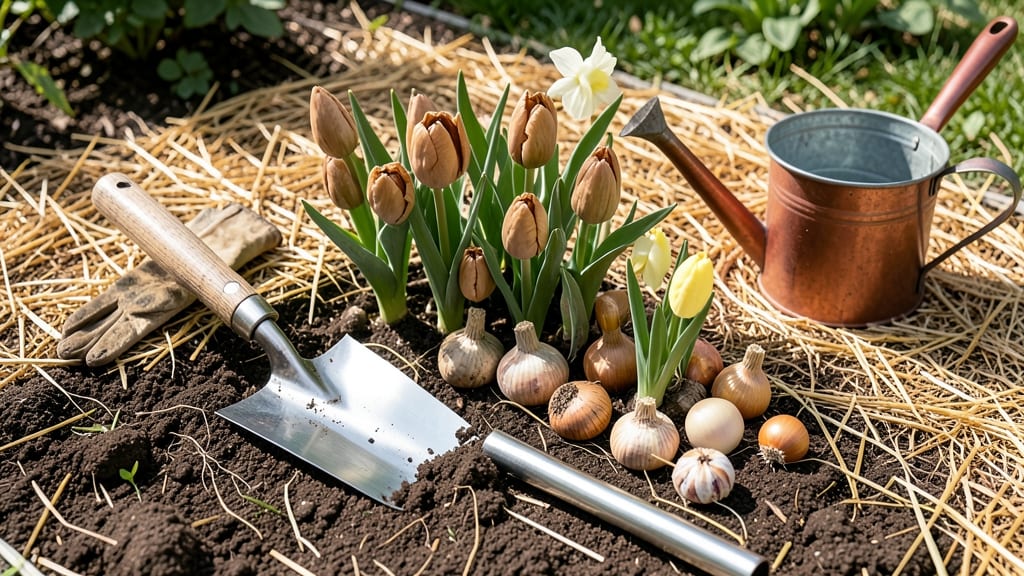
Knowing when to plant bulbs in Zone 8 can mean the difference between a garden bursting with color and a missed opportunity for spring blooms. With mild winters and hot summers, timing isn’t just important—it’s the key to success.
The right moment ensures your 🌷 tulips, daffodils, and crocuses get the chill hours they need without rotting in soggy soil.
Fall planting is your best bet, but there’s a narrow window between October and November when soil temps drop and rain becomes reliable. Too early, and bulbs may sprout before winter; too late, and they won’t establish roots in time.
I’ll break down the exact timing for your favorite varieties—plus how to adjust for coastal vs. inland microclimates where chill hours vary wildly.
Don’t overlook early spring planting (February–March) for varieties that need less cold exposure. The trick? Matching bulb types to your specific Zone 8 conditions—whether you’re battling urban heat islands or coastal fog. With these strategies, you’ll avoid common mistakes and set your garden up for perfect blooms year after year.
Ready to transform your garden? Let’s dive into the science of chill hours, soil prep, and the exact calendar you need to plant with confidence—no guesswork required.

Zone 8 bulb planting calendar by chill-hour requirements
In Zone 8, where winters are mild and summers are hot, the key to successful bulb planting lies in understanding chill-hour requirements. Most bulbs need 600–1,200 hours below 45°F to bloom reliably. Since Zone 8 typically only delivers 300–600 chill hours, timing is critical to avoid disappointment.
Fall planting is ideal for most bulbs, but the exact window depends on your bulb’s chill needs. For example, tulips and hyacinths (900–1,200 chill hours) may struggle without pre-chilling, while daffodils and alliums (600–900 chill hours) adapt better. Let’s break down the best planting times for your favorite bulbs.
Here’s a quick reference for ideal soil temperatures when planting: aim for 40–60°F soil. If the ground is too warm, bulbs may rot; too cold, and they won’t establish roots before winter sets in.
| Bulb Type | Chill Hours Needed | Best Planting Window | Soil Temp for Planting | Notes |
|---|---|---|---|---|
| Tulips | 900–1,200 | October–November (pre-chill recommended) | 40–50°F | Use paperwhite tulips (low-chill) or pre-chill bulbs. |
| Daffodils | 600–900 | October–December | 45–60°F | Hardy and adaptable; great for beginners. |
| Hyacinths | 900–1,200 | October–November (pre-chill required) | 40–50°F | Plant in containers for easier pre-chilling. |
| Alliums | 600–900 | October–November | 45–60°F | Drought-tolerant; great for pollinators. |
| Crocuses | 300–600 | October–November | 45–60°F | Early bloomers; plant shallowly. |
| Snowdrops (Galanthus) | 300–500 | October–December | 40–50°F | Bloom in late winter; shade-tolerant. |
If you’re planting in late fall (December or January), opt for bulbs with low chill-hour requirements, like crocuses or snowdrops. These varieties can handle Zone 8’s mild winters without extra intervention.
For bulbs needing more chill hours, consider pre-chilling in your fridge (not freezer!) for 6–8 weeks before planting. Store them in a paper bag with sphagnum moss to maintain moisture, then plant as usual.
Spring planting is another option for low-chill bulbs like rain lilies (Zephyranthes) or rainflowers (Ludwigia). Plant these in February–March once soil temperatures warm to 60°F.
Pro tip: Mark your bulb beds with stakes or flags after planting to avoid disturbing them in spring. A little organization now means fewer surprises later!
Remember, well-draining soil is non-negotiable. Amend heavy clay with compost or sand to prevent rot, especially in Zone 8’s wet winters.
Zone 8 bulb planting calendar by chill-hour requirements
In Zone 8, where winters are mild and summers are long, your bulb planting schedule must align with chill-hour needs—the number of hours below 45°F (7°C) a bulb requires to bloom.
Most classic bulbs like tulips and daffodils need 600–1,200 chill hours, but Zone 8 often delivers only 300–600 hours. The key? Plant low-chill varieties in fall or early spring and use soil prep to maximize success.
Fall planting is ideal for bulbs that can tolerate mild winters. Aim to plant 6–8 weeks before the first frost—typically October to early November in Zone 8.
This gives roots time to establish before soil cools. For high-chill bulbs (like hyacinths), consider pre-chilling in the fridge for 6–8 weeks before planting.
Spring planting is a backup for missed fall opportunities. Plant February to early March when soil temperatures hit 50°F (10°C). This works best for low-chill bulbs like crocuses or snowdrops, which bloom earlier in the season.
🌱 Zone 8 Bulb Planting Summary
| Bulb Type | Chill Hours Needed | Best Planting Time | Soil Temp for Planting |
|---|---|---|---|
| Tulips | 900–1,200 | Fall (Oct–Nov) or Spring (Feb) | 50–60°F (10–15°C) |
| Daffodils | 600–900 | Fall (Oct–Nov) | 50–60°F (10–15°C) |
| Crocuses | 300–600 | Fall (Sep–Oct) or Spring (Feb) | 40–50°F (4–10°C) |
| Alliums | 400–600 | Fall (Oct–Nov) | 50–60°F (10–15°C) |
Soil temperature is critical—bulbs rot if planted in cold, wet soil. Use a soil thermometer to confirm temps are 50–60°F (10–15°C) before planting. Amend heavy clay soil with compost or sand to improve drainage, as bulbs hate soggy roots.
For high-chill bulbs struggling in Zone 8, try mulching with straw or leaves (3–4 inches) after planting to insulate roots. This can add 50–100 extra chill hours during winter. If you’re desperate for tulips, plant them in partial shade—cooler soils help them meet chill requirements.
Remember: Early spring planting is a gamble—bulbs may bolt to flower without proper dormancy. Stick to fall planting for reliability, and choose low-chill varieties to guarantee blooms in Zone 8’s warm winters. 🌷