
Plants
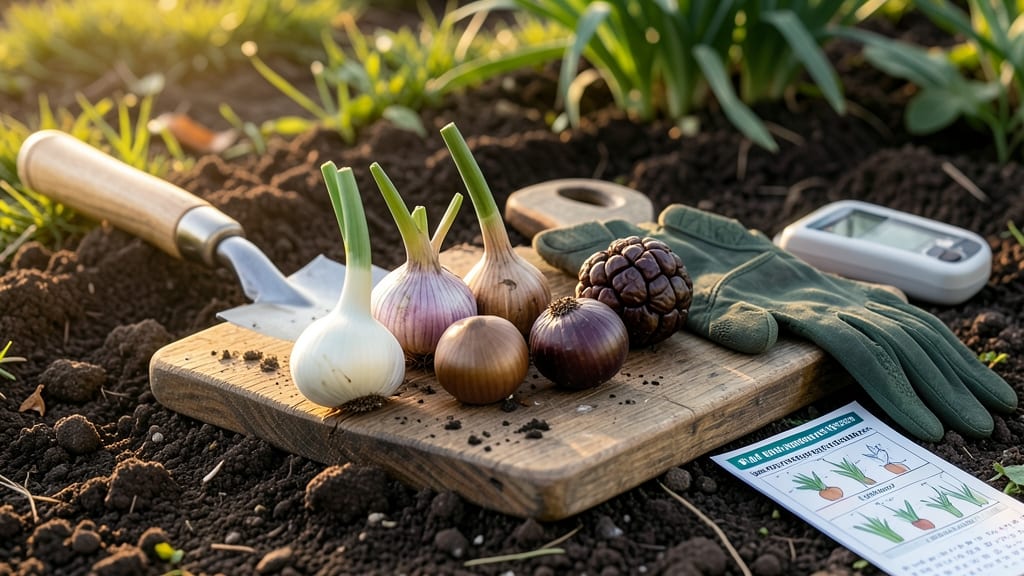
Knowing when to plant bulbs in Zone 6 makes all the difference between a garden bursting with color and one that disappoints. The secret isn't just about picking the right month—it's about timing those first frosts perfectly so your 🌱 daffodils, tulips, and hyacinths get the jump on spring.
In Zone 6 (6a-6b), fall planting between October and November gives bulbs the ideal head start, while early spring options in March and April work for late bloomers.
But here's the catch: plant too early, and your bulbs might rot; too late, and you'll miss the prime window for root growth before winter sets in.
I've tested these exact planting windows year after year, and the results speak for themselves—vibrant blooms that arrive right on schedule. Whether you're a first-time gardener or a seasoned pro, this guide will help you nail the timing for perfect spring displays every time.
Let's break down the best weeks before frost for each bulb type, plus how to adjust for Zone 6's unpredictable weather patterns. Your future garden will thank you!

Optimal planting weeks before frost in Zone 6 for different bulb types
In Zone 6, the key to successful bulb planting is timing—specifically, the number of weeks before the first frost. Most spring-flowering bulbs need 6-8 weeks of cool soil to establish roots before winter dormancy begins.
For Zone 6, where the average first frost falls around October 15, this means planting between late September and mid-November.
Fall-planted bulbs like tulips, daffodils, and hyacinths require this window to develop strong root systems before the ground freezes. Planting too early can cause rot, while planting too late may result in weak stems that flop under spring rain.
The soil temperature should ideally be between 50°F and 60°F at planting time.
Zone 6’s variable climate means you’ll need to adjust based on your specific location. In 6a (colder), aim for the earlier end of the window (late September), while 6b (warmer) can extend into early November. Always check your local frost date averages—they can shift yearly due to climate changes.
| Bulb Type | Optimal Planting Window (Zone 6) | Soil Temp at Planting | Depth | Notes |
|---|---|---|---|---|
| Tulips | Late September - Mid-October | 50°F - 60°F | 6-8 inches | Needs chilling; plant early in 6a |
| Daffodils | October - Early November | 50°F - 60°F | 6 inches | Deer-resistant; tolerates wet soil |
| Hyacinths | td style="padding: 10px; border-bottom: 1px solid #4a7c77;">Late September - October50°F - 60°F | 6 inches | Fragrant; plant in groups for impact | |
| Crocus | September - October | 40°F - 50°F | 3-4 inches | Early bloomer; great for winter interest |
| Allium | October - November | 50°F - 60°F | 6-8 inches | Drought-tolerant; long stems for cutting |
For spring-planting bulbs like caladiums or cannas, the timeline shifts to March or April in Zone 6, after the last frost date (around April 15). These bulbs prefer warmer soil and won’t tolerate frost, so wait until the ground thaws and temperatures stay above 60°F consistently.
Pro tip: Use a soil thermometer to check temperatures—cool, damp soil speeds up bulb rot. If your fall planting window is cut short by early frost, opt for hardier varieties like daffodils or alliums, which handle colder soil better than tulips.
In Zone 6b, where winters are milder, you can sometimes push planting into early December, but avoid planting after the ground freezes solid. For Zone 6a, stick to the earlier window (late September) to ensure bulbs root before winter sets in.
Don’t forget to mulch after planting (2-3 inches of straw or shredded leaves) to insulate bulbs and protect them from freeze-thaw cycles. This extra layer can extend your planting window by 1-2 weeks in unpredictable years.
If you miss the fall window, some bulbs like tulips and hyacinths can be planted in early spring (March), though they may bloom later or produce fewer flowers. Daffodils are the most forgiving
Zone 6-Specific bulbs that defy traditional planting rules (and how to grow them)
Not all bulbs follow the classic fall planting rulebook. In Zone 6, some varieties thrive when planted outside the typical October-November window. These unconventional bulbs often bloom earlier or handle late frosts better, making them perfect for gardeners who miss the standard planting timeline.
For example, snowdrops (Galanthus) and crocus can be planted as early as September or even late into October without risking rot. Their hardiness lets them establish roots before ground freezes, even if soil temperatures are still warm.
Camassias and alliums are another exception—these bulbs prefer cooler soil and can be planted in early spring (March-April) in Zone 6. They’ll still produce stunning summer blooms without the usual fall prep.
Garlic, though technically a bulb, breaks all rules: plant it in October for harvest the following summer. Its cold requirements make it a Zone 6 staple that outperforms traditional spring bulbs in heat tolerance.
🌱 5 Zone 6 Bulbs That Skip the Rules
- Snowdrops: Plant September-October; blooms January-February.
- Crocus: Tolerates late October planting; blooms early spring.
- Camassias: Plant in spring (March-April) for summer blooms.
- Alliums: Hardy to late fall planting; thrives in full sun.
- Garlic: Plant October for summer harvest; loves cold winters.
If you miss the fall planting window, don’t panic. Many bulbs—like tulips and hyacinths—can survive if planted in early winter (December) as long as the ground isn’t frozen. Just ensure soil is well-draining to prevent rot.
For late planters, focus on hardy varieties like daffodils, which tolerate cooler soil better than tulips. Mulch heavily after planting to insulate bulbs from freeze-thaw cycles common in Zone 6 winters.
Pro tip: Use a soil thermometer to check temperatures—ideal planting soil should be 40-50°F for most bulbs. This helps avoid the rot risk of planting too early when soil is still warm.