
Plants
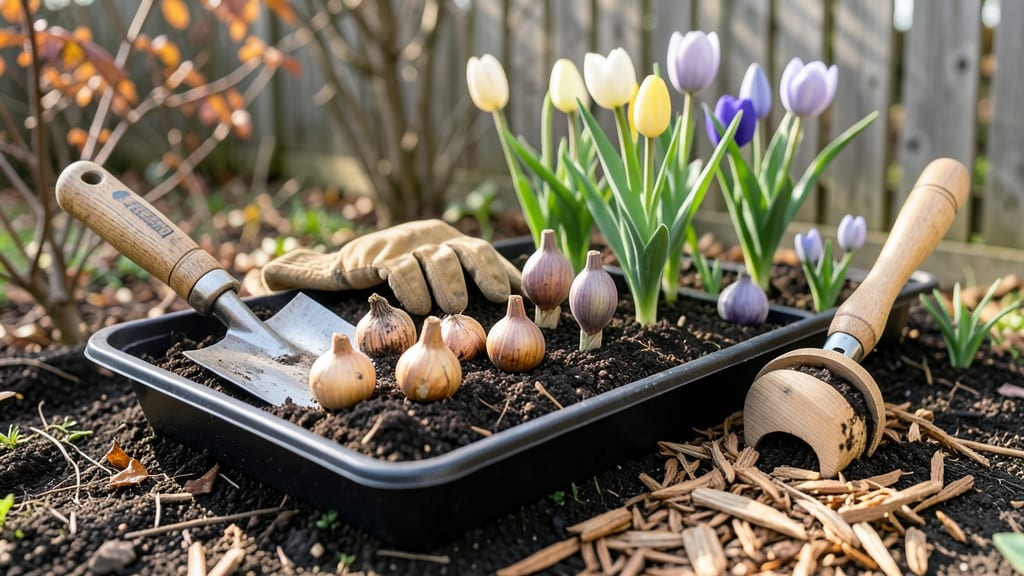
Timing your bulb planting in Portland, Oregon isn’t just about the calendar—it’s about beating the 8a zone’s tricky frost dates and giving those 🌱 daffodils and tulips the perfect head start. Skip the guesswork, and you’ll end up with weak blooms or worse, bulbs that never sprout.
Portland’s mild winters might fool you into thinking "anytime works," but the real secret lies in planting 6-8 weeks before the ground freezes—usually by mid-October.
Here’s the thing: while fall planting (October-November) is your golden ticket for spring color, Portland’s microclimates mean your neighbor’s perfect timing might flop in your yard.
Urban heat islands in Southeast Portland can push your window later, while cooler spots near the Willamette River might need bulbs in the ground sooner. We’ll break down exactly how to adapt so your garden thrives, not just survives.
You’ll also discover why March-April is your second chance for summer-blooming bulbs like dahlias, and how to protect early bloomers from those sneaky late frosts that hit around April 15. Plus, I’ll share the one mistake Portland gardeners make that kills bulb success—spoiler: it’s not what you think.
Ready to transform your garden into a year-round showstopper? Let’s dive into the exact timing, soil prep tricks, and care tips that’ll have your bulbs popping up like clockwork—no matter where you live in the city.
Portland’s ideal bulb planting window: month-by-month USDA zone 8a guide
Getting your bulb planting timed right in Portland’s Zone 8a climate means avoiding late frosts while maximizing root development before winter. Most spring-blooming bulbs—like daffodils, tulips, and hyacinths—need to be planted 6-8 weeks before the ground freezes, typically by mid-October.
Summer-blooming bulbs, such as dahlias and cannas, wait until late spring after the last frost date (April 15 on average).
Portland’s mild winters and rainy springs create a unique window where bulbs can establish roots without rotting. The key is planting when soil temperatures drop to 60°F but before consistent freezing. For fall planting, aim for October through November—this gives bulbs time to root before winter dormancy.
If you miss this window, you can still plant in early December, but growth may be slower.
| Bulb Type | Planting Month | Depth | Spacing | Notes |
|---|---|---|---|---|
| Daffodils | October-November | 6 inches | 3-6 inches apart | Hardy; blooms early spring |
| Tulips | October-November | 6-8 inches | 4-6 inches apart | Plant in well-drained soil |
| Hyacinths | October-November | 6 inches | 4-5 inches apart | Fragrant; needs full sun |
| Dahlias | April-May | 6-8 inches | 12-18 inches apart | Plant after last frost |
| Alliums | October-November | 6-8 inches | 6-12 inches apart | Drought-tolerant; long blooms |
For spring planting, focus on summer-blooming bulbs like dahlias and gladiolus. These need warmer soil and should go in after April 15, once the risk of frost has passed. Use a soil thermometer to confirm temperatures are above 55°F—this ensures roots establish before summer heat arrives.
In Portland’s wet springs, avoid overwatering newly planted bulbs, as soggy soil can cause rot.
If you’re unsure about your local frost dates, check the Oregon State University Extension or use the National Weather Service for your specific neighborhood. Urban areas like Downtown Portland may experience urban heat islands, delaying frost slightly, while higher elevations like Washington Park can see earlier frosts.
Adjust your planting timeline accordingly to avoid frost damage to tender shoots.
Pro tip: Mark your bulb planting calendar with these deadlines: - October 15: Last chance for most spring bulbs - November 15: Cutoff for late-season varieties - April 15: Safe for summer bulbs Planting too late in fall risks bulbs sprouting before winter, while spring planting too early can expose them to frost.
Balance is key!
Once planted, mulch with 2-3 inches of straw or shredded leaves to insulate bulbs from temperature swings. In Portland’s rainy winters, this also prevents soil compaction. Remove mulch in early spring to allow sunlight to reach emerging shoots.
For container-grown bulbs, use well-draining potting mix and plant slightly shallower (4-6 inches deep) to accommodate smaller pots.
Don’t forget to fertilize lightly in early spring when shoots appear. Use
How Portland’s microclimates affect bulb planting success (and how to adapt)
Portland’s diverse neighborhoods create unique growing conditions that can shift your bulb planting window by 2-4 weeks. Urban heat islands in areas like SE Portland can push planting dates 10 days later than cooler spots near Washington Park.
These microclimates aren’t just academic—they determine whether your tulips bloom in March or April.
Elevation changes also play a role. Gardens in West Hills (like Multnomah Village) often experience earlier frosts than downtown areas. Meanwhile, the Willamette River’s moderating effect creates a 3-5°F warmer microclimate along its banks compared to inland areas. Even a 500-foot elevation gain can delay planting by 7-10 days.
🌱
| Area Type | Climate Notes | Fall Planting Window | Spring Planting Window |
|---|---|---|---|
| Urban (Downtown, Pearl) | Heat island effect; 5-10°F warmer than suburbs | Late October to mid-November | Mid-March to early April |
| Suburban (Beaverton, Hillsdale) | Moderate temps; typical Zone 8a conditions | Mid-October to early November | Late February to March |
| Rural (West Hills, Lake Oswego) | Cooler nights; earlier frosts possible | Early October to mid-October | Early March only (risky) |
| River Proximity (SE Waterfront) | 3-5°F warmer due to water influence | Late October to early December | Late March to April |
For gardeners in cooler microclimates, prioritize early-blooming varieties like ‘Tête-à-Tête’ tulips or ‘Ice Follies’ daffodils, which tolerate shorter growing seasons. In warmer areas, you can extend planting into early December for bulbs like hyacinths or alliums, which handle milder winters.
Pro tip: Use Oregon State University’s frost maps to check your specific neighborhood’s last frost date. Aim to plant 6-8 weeks before that date for fall bulbs. For spring planting, wait until soil temps reach 50°F—a simple soil thermometer (under $10) solves guesswork.
Even within a single yard, south-facing slopes warm up 2 weeks earlier than north-facing beds. If you’re unsure about your microclimate, plant a test bulb in early October—if it thrives, you can safely expand your planting window the following year.
🌿