
Plants
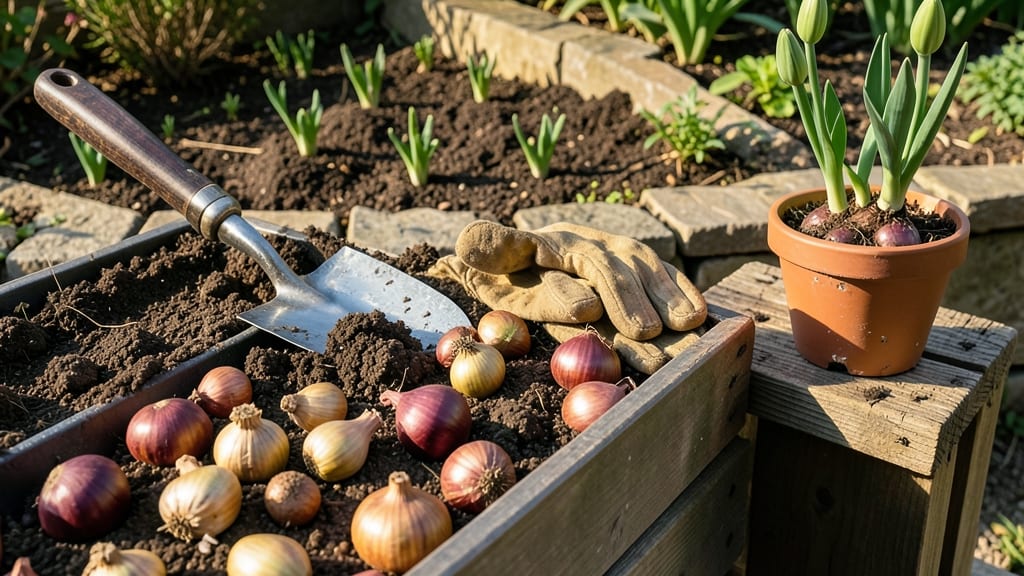
Planting bulbs in Indiana at the wrong time can mean the difference between a showstopping spring garden and a sad, half-bloomed disappointment. With frost dates that shift from north to south across the state, timing isn't just important—it's your secret weapon for vibrant 🌷 displays every year.
Most gardeners here know fall is the prime window for classic bulbs like tulips and daffodils, but did you know your exact county matters more than the calendar?
Northern Indiana's 6a zones demand earlier planting than southern areas, and missing that window by even a few weeks can leave your bulbs vulnerable to winter heaving or late-season frost.
In this guide, I'll break down the precise planting deadlines by heat zone, plus how to adjust for Indiana's microclimates. You'll learn when to tuck in fall-planted varieties and which bulbs actually prefer Indiana's mild springs—so you can stop guessing and start blooming with confidence.
Ready to transform your garden? Let's dive into the exact months, soil prep secrets, and pro tips that will have your bulbs popping up like clockwork—no matter where you live in the Hoosier State.
Indiana heat zone planting deadlines: exact months by county
Indiana’s USDA zones 5a-6b create a 6-8 week window for planting spring-blooming bulbs like tulips and daffodils. Northern counties (e.g., Lake, Porter) have earlier frost dates, while southern regions (e.g., Clark, Floyd) enjoy 2-3 extra weeks of planting flexibility.
Timing is critical—plant too early, and bulbs may rot in cold soil; too late, and they won’t establish roots before winter.
For fall planting (ideal for most bulbs), aim for 6-8 weeks before ground freezes. In northern Indiana, this means mid-October to early November, while southern Indiana can extend planting until late November.
Spring planting (for tender bulbs like canna lilies) should occur after last frost, typically mid-April to early May.
Here’s a county-specific breakdown of Indiana’s planting deadlines, accounting for microclimates and frost risk:
| County Region | USDA Zone | Fall Planting Window | Spring Planting Window | Last Frost Date |
|---|---|---|---|---|
| Northern (Lake, Porter, LaPorte) | 5a-5b | Mid-October to early November | Mid-April to early May | April 15–20 |
| Central (Hamilton, Marion, Boone) | 6a | Late October to mid-November | Early April to late April | April 1–10 |
| Southern (Clark, Floyd, Jefferson) | 6b | Late October to late November | Late March to early May | March 25–April 5 |
Use these deadlines as guidelines, but always check soil temperatures—bulbs need 40–50°F soil to root. In northern Indiana, soil may freeze by mid-November, while southern Indiana can plant until Thanksgiving without risk.
For tender bulbs (e.g., gladiolus), wait until after May 15 to avoid frost damage.
Pro tip: Test your soil with a thermometer—if temps drop below 40°F, cover bulbs with straw mulch to insulate roots. This extends your planting window by 1–2 weeks in marginal zones.
Missed the fall window? Spring planting works for hardy bulbs like daffodils and alliums, but avoid tulips and hyacinths—they need cold stratification over winter. Plant spring bulbs 2–3 inches deep in well-draining soil and water deeply to encourage root growth before blooming season.
Indiana’s microclimates (e.g., urban heat islands in Indianapolis vs. rural cold pockets in northern counties) can shift frost dates by 1–2 weeks. Observe your garden’s local frost patterns for 2–3 years to refine your timing. Start with early-blooming bulbs (e.g., crocuses) to gauge your site’s readiness.
Remember: Bulb size matters. Larger bulbs (e.g., 12-inch daffodils) establish roots faster than smaller varieties. Plant them 6–8 inches deep in loamy soil amended with compost for best results. Smaller bulbs (e.g., tulips) need 4–6 inches of depth to prevent winter heaving.
For county-specific frost data, check the Indiana State Climate Office or use local garden club resources. Many Hoosier gardeners swear by planting by the moon—aim for rooting phases (e.g., October’s waning moon) to boost bulb success.
Fall planting vs. spring planting: which bulbs thrive in Indiana’s climate?
Indiana’s USDA zones 5a-6b create a unique challenge for bulb gardeners—fall planting is ideal for most varieties, but spring planting works for tropical bulbs that can’t survive winter. Let’s break down which bulbs belong in each category and why timing matters so much in our Hoosier climate.
The key difference? Hardy bulbs like tulips, daffodils, and crocus need 6-8 weeks of cold dormancy before spring blooms.
Plant them in October or November so they establish roots before winter. Tropical bulbs like caladiums and canna lilies, however, wait until after the last frost (mid-April) when soil temperatures stay above 60°F.
- Establishes roots before winter
- Better bloom performance
- Works for hardy bulbs (tulips, daffodils)
- Risk of winter heaving if planted too late
- Not suitable for tropical bulbs
- Safe for tropical bulbs (caladiums, cannas)
- Avoids winter damage
- Flexible timing after last frost
- Misses root establishment period
- Smaller blooms if planted late
For fall planting, aim to finish by November 1st in northern Indiana (zone 5a) and November 15th in southern Indiana (zone 6b). Use a soil thermometer—plant when soil temps drop below 60°F but before hard frosts hit.
In southern Indiana, you can push it slightly later, but northern counties like Kosciusko or Steuben need to plant earlier to avoid winter heaving.
If you’re planting spring bulbs, wait until after April 15th (Indiana’s average last frost date). Tropical bulbs like elephant ears or canna lilies thrive in Indiana’s summer heat but cannot tolerate frost.
Start them indoors in March and transplant after the last frost, or buy potted plants from nurseries in May.
Pro tip: Mulch heavily after fall planting (3-4 inches of straw) to insulate bulbs and prevent winter heaving. For spring plantings, use black plastic mulch to warm soil faster and extend the growing season. Both strategies help Indiana gardeners work around our unpredictable frost dates.
Remember, soil temperature matters more than air temperature. A soil thermometer ($10 at garden centers) is your best friend for nailing the perfect planting window—whether you’re prepping for spring blooms or summer tropicals. 🌱