
Plants
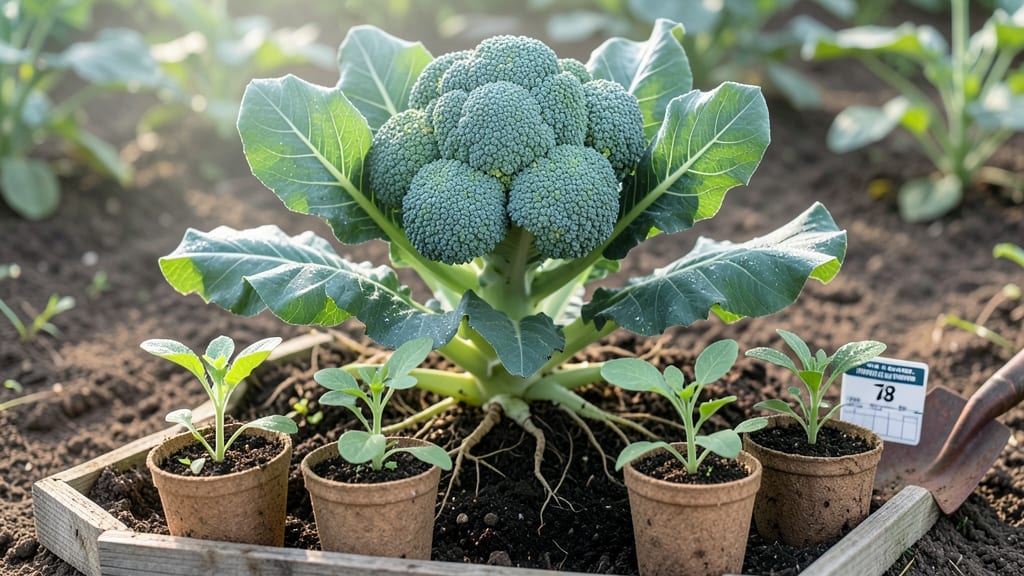
If you've ever stared at your garden calendar wondering "when to plant broccoli in North Carolina", you're not alone—timing this cool-weather crop just right can mean the difference between a bountiful harvest and bolted plants that go to seed.
North Carolina's diverse climate zones, from the Coastal Plain to the Mountains, create unique growing conditions where 🥦 broccoli thrives in both spring and fall, but only if you plant at the perfect moment.
The key to success lies in understanding your specific USDA zone (7a-8b) and working with frost dates that vary dramatically across the state. Plant too early, and your seedlings might freeze; wait too long, and summer's heat will send your broccoli running to flower.
I'll break down exactly when to start seeds indoors, when to transplant outdoors, and how to stretch your growing season for continuous harvests—whether you're in the humid Piedmont or the cooler mountain regions.
What makes broccoli such a rewarding crop for North Carolina gardeners is its adaptability—you can grow it in early spring (March-April) for May-June harvests or in late summer (August-September) for fall crops ready by October-November. But here's the secret: the varieties you choose matter just as much as the timing.
Some handle heat better than others, while cold-hardy types can brave early spring plantings when soil temperatures still hover around 45°F.
Let's dive into the exact planting schedule tailored to your location, plus pro tips to avoid common mistakes that even experienced gardeners make. By the end, you'll know exactly when to get those seeds in the ground—and how to protect your investment from North Carolina's unpredictable weather patterns.
Your future broccoli crowns are waiting!
North Carolina broccoli planting calendar by USDA hardiness zones
North Carolina spans USDA zones 7a through 8b, meaning your last spring frost ranges from mid-March in the mountains to late February in the coastal plains. This variation means your planting window shifts by 2-4 weeks depending on where you live.
For example, gardeners in Asheville (7b) can start broccoli as early as late February, while those in Wilmington (8a) should wait until mid-March.
Broccoli thrives in cool-season conditions, so timing your planting to avoid summer heat is critical. The ideal soil temperature for germination is 40-85°F, but plants will bolt (go to seed) if exposed to consistent temperatures above 80°F.
This makes spring and fall the only viable planting seasons in most of North Carolina.
Here’s how to align your planting with your specific zone for maximum success:
📅 North Carolina Broccoli Planting Summary Table
| Zone | Spring Planting Window | Fall Planting Window | Last Frost Date | First Frost Date | Harvest Window |
|---|---|---|---|---|---|
| 7a (Mountains) | Late February - Early March | Mid-August - Early September | Mid-April | Mid-November | May - June & Oct - Nov |
| 7b (Piedmont) | Early March - Mid-March | Late July - Early August | Late March | Early November | May - June & Oct - Nov |
| 8a (Coastal Plain) | Mid-March - Early April | Early August - Mid-August | Early April | Late October | May - June & Oct - Dec |
| 8b (Southern Coastal) | Early April - Mid-April | Late July - Early August | Mid-April | Early November | May - June & Oct - Dec |
💡 Pro Tip: Use row covers to extend your spring planting by 2-3 weeks in cooler zones like 7a.
For spring planting, aim to sow seeds or transplant seedlings 4-6 weeks before your last frost date. In zone 7a, this means starting in late February, while zone 8b gardeners should wait until early April.
Use slow-bolting varieties like 'Waltham 29' if you’re pushing the spring window to avoid heat stress.
Fall planting offers a second harvest opportunity. Start seeds 80-100 days before your first frost, which translates to mid-August in the mountains and early August along the coast.
This timing ensures your broccoli matures before winter sets in. Use cold-hardy varieties like 'De Cicco' to withstand light frosts and extend your harvest into November or December.
In zone 8a and 8b, you can even attempt an overwintering crop by planting in late September. Protect young plants with straw mulch and row covers to shield them from freezing temperatures. These plants may produce smaller heads but can survive mild winters for an early spring harvest.
Always monitor your local microclimate. Coastal areas near the ocean may experience cooler temperatures than inland regions just a few miles away, while valleys can trap cold air longer than hilltops. Use a frost calendar
Best broccoli varieties for North Carolina climates & their ideal planting times
North Carolina’s diverse climate—from the Coastal Plain’s humidity to the Mountains’ cooler temperatures—means not all broccoli varieties thrive equally. Choosing the right cold-hardy or heat-tolerant variety can mean the difference between a bountiful harvest and wasted effort.
Let’s break down the best options for your specific microclimate and their ideal planting windows.
For cooler zones (7a), like the Mountains region, prioritize varieties that tolerate light frosts. In warmer zones (8a-8b), such as the Piedmont or Coastal Plain, opt for heat-tolerant types that won’t bolt prematurely.
Your choice also depends on whether you’re planting for spring or fall harvests, as timing varies significantly.
Cold-hardy varieties like 'Waltham 29' or 'De Cicco' are perfect for early spring or fall planting in Zone 7a. These varieties can handle light frosts down to 20°F and mature quickly, making them ideal for short growing seasons. Plant them 4-6 weeks before your last frost date (typically late February to early March) for spring harvests.
Heat-tolerant varieties, such as 'Calabrese' or 'Green Magic', are better suited for Zones 8a-8b and thrive in the Piedmont or Coastal Plain. These varieties can handle warmer temperatures up to 85°F and are ideal for late summer or fall planting. Aim to plant them 80-100 days before your first frost (usually late July to early August) for a fall harvest.
If you’re in Zone 7a, like the Asheville area, focus on early spring planting (late February to early March) for a May-June harvest.
For Zone 8b, such as Raleigh or Wilmington, you can extend your growing season with fall plantings in late July or August for harvests in October-November. Succession planting every 2-3 weeks ensures a continuous supply.
Pro tip: Use row covers in early spring or late fall to protect young plants from unpredictable temperature swings, which are common in North Carolina’s transitional seasons. This simple trick can extend your planting window by 2-4 weeks and boost your yield significantly.