
Plants
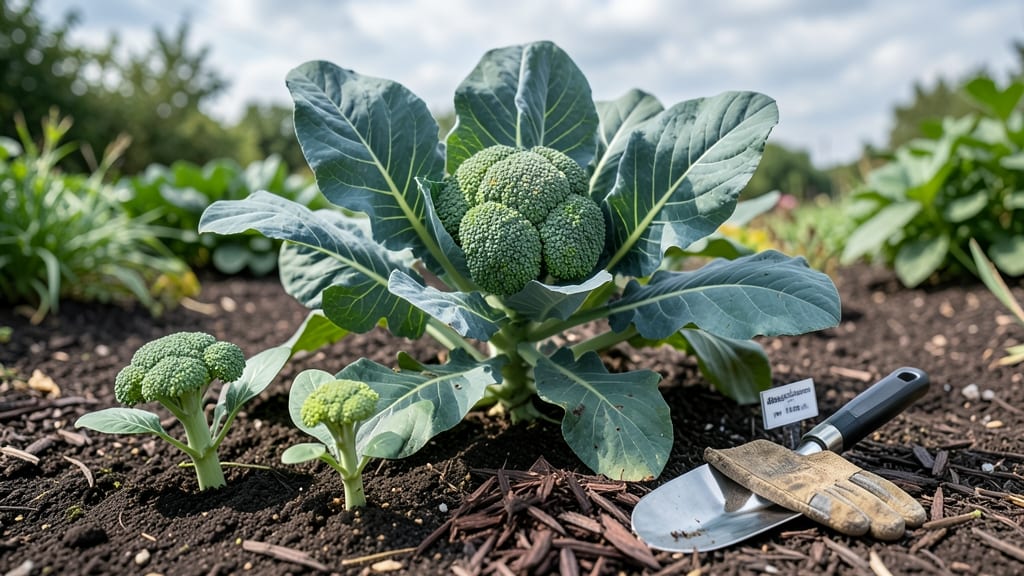
Planting broccoli in North Carolina’s fall season can feel like a high-stakes game of timing—get it wrong, and frost steals your harvest before you even taste it.
The key to success lies in understanding your local microclimate, whether you're in the cooler mountains or warmer coastal plains, because even a week too late can mean the difference between a bountiful crop and wasted effort.
For most of NC’s USDA zones 7a-8b, the ideal window for sowing broccoli seeds or transplanting starts in late August and stretches through early September.
This gives your 🥦 plants enough time to mature before the first frost hits, typically around early November, ensuring you’ll harvest tender heads from October through December.
But here’s the catch: mountain regions like Asheville may need to plant earlier, while coastal areas like Wilmington can push it slightly later.
You might be wondering whether to start with seeds or transplants. For NC gardeners, transplants are often the easier and faster route, giving you a head start on the growing season.
Either way, the goal is the same—beat the frost while giving your broccoli the 60-90 days it needs to reach harvestable size. Let’s break down the exact dates and strategies to lock in a successful fall crop, no matter where you garden in the state.
Beyond just the calendar, we’ll cover how to protect your plants from early cold snaps and which broccoli varieties thrive best in NC’s fall conditions. With the right approach, you’ll enjoy fresh, homegrown 🥦 long after store-bought options have faded from the shelves. Ready to plan your perfect planting window?
NC fall broccoli planting dates by county: frost-free timing guide
North Carolina’s diverse climate means your broccoli planting window can shift dramatically from the Mountains to the Coastal Plain. In the Asheville region (Zone 7a), you’ll have a narrower margin for error than in Wilmington (Zone 8a), where mild winters extend the season.
The key is planting 4-6 weeks before your first frost—but when exactly is that?
For fall broccoli success, aim to have mature heads ready before hard frosts (28°F or lower). Most NC varieties take 60-90 days to harvest, so timing is everything. Miss the window, and you’ll either get bolting plants (from heat stress) or frost-damaged heads.
🌱 NC Fall Broccoli Planting Timeline by Region
| Region | USDA Zone | Planting Window | First Frost | Harvest Window |
|---|---|---|---|---|
| Mountains (Asheville, Boone) | 7a | Late July - Early August | October 15 | September 20 - November 1 |
| Piedmont (Raleigh, Greensboro) | 7b | Early August - Mid-August | October 31 | September 25 - November 15 |
| Coastal Plain (Wilmington, Fayetteville) | 8a | Mid-August - Late August | November 15 | October 10 - December 1 |
⚠️ Pro Tip: Check your local Cooperative Extension for microclimate adjustments (e.g., elevated areas frost earlier).
If you’re in the Mountains, start seeds indoors by mid-July and transplant by late July to beat the early frost. Piedmont gardeners have a slightly longer window, while Coastal Plain growers can push planting to mid-August for a late fall harvest.
Always verify with your local frost date averages, as they can shift yearly.
For direct sowing (skipping transplants), plant seeds 1/4 inch deep, 12-18 inches apart, in well-draining soil with a pH of 6.0-7.0. Use a starter fertilizer (like 5-10-10) at planting to give seedlings a boost. Transplants should be hardened off for 7-10 days before going outdoors.
One common mistake? Planting too late for a fall harvest. If you miss the August window, your broccoli may bolt before forming heads. To check readiness, press a head—if it feels firm and compact, it’s harvest time. If it’s loose or yellowing, you’ve waited too long.
For extended harvests, consider succession planting: sow a second batch in early September (if your first frost is late). This works best in Zone 8a areas where winters are milder. Just ensure the second batch has at least 60 days to mature before frost.
Always monitor your soil temperature. Broccoli seeds need 40-85°F to germinate, but above 85°F can cause bolting. In hot Augusts, use shade cloth or plant in partial shade until temperatures drop. Mulch with straw or leaves to keep roots cool.
Remember: Frost tolerance varies by variety. Some, like 'De Cicco', handle light frosts better than others. Pair your planting schedule with the right variety for your region to maximize your fall broccoli yield.
How to extend broccoli’s fall harvest: cold protection tips for NC gardeners
North Carolina’s fall broccoli thrives when planted just right—but even with perfect timing, early frosts can still cut your harvest short. The key to success? Cold protection strategies that buy you 2–4 extra weeks of harvest time.
I’ve tested these methods in my Zone 7b garden and seen broccoli survive until mid-December when other plants fail.
Start with row covers, the simplest tool to shield plants from light frosts (28–32°F). These lightweight fabrics trap heat while allowing sunlight and water through.
For harder freezes (below 28°F), combine row covers with mulch layers—straw or leaves add 2–4°F of warmth to the soil. I’ve used floating row covers (like Agribon) over my broccoli beds and extended harvests by 3 weeks.
Avoid these common mistakes: Over-mulching can suffocate roots, and using plastic sheeting traps too much moisture, causing rot. Instead, opt for breathable fabrics like frost cloth (rated for 25°F) and remove them during the day to prevent heat buildup.
I’ve also had success with cold frames for late-season harvests—just ensure they’re well-ventilated to avoid condensation.
For container-grown broccoli, move pots to a sheltered spot (like a garage or covered porch) during hard freezes. Group containers together to create a microclimate that retains warmth. My dwarf varieties in pots survived until January with this method, yielding tender stalks long after garden beds froze.
Monitor your local frost forecast via the NC State Climate Office and adjust protections accordingly. With these strategies, you’ll enjoy homegrown broccoli well into winter—no greenhouse required! 🥦