
Plants
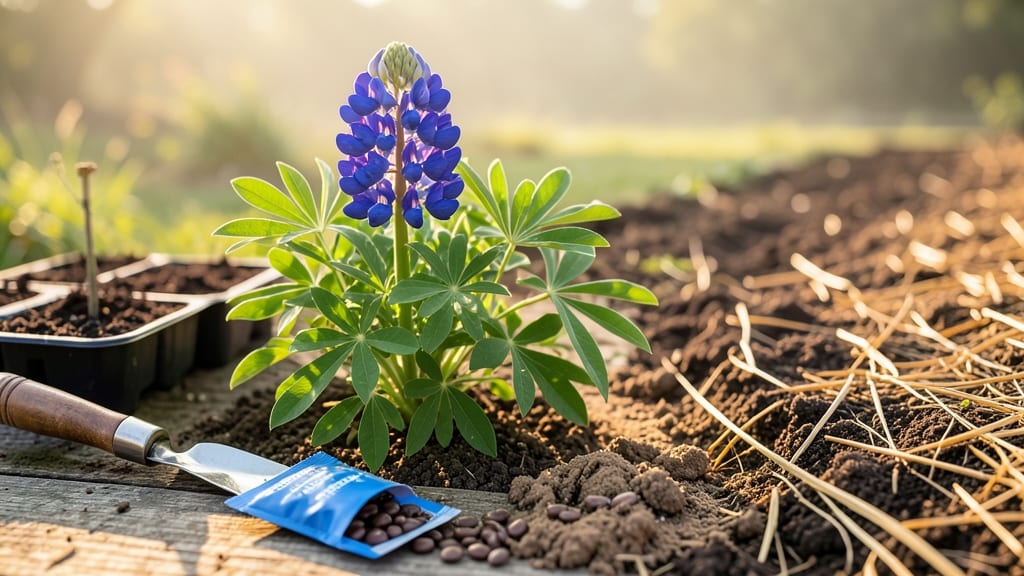
If you've ever dreamed of waking up to fields of iconic bluebonnet blooms 🌸 carpeting your North Texas landscape, when to plant bluebonnets in North Texas is the first question to answer.
Timing is everything—plant too early, and frost will nip your seedlings in the bud; too late, and you might miss the sweet spot for vibrant spring color. The secret to success lies in understanding your specific region's microclimate—whether you're in the Panhandle's cooler zones or the Hill Country's warmer pockets.
North Texas gardeners know that fall planting between late September and early November gives bluebonnets the perfect head start. This window allows seeds to establish roots before winter dormancy, ensuring they burst into color when spring arrives.
But with USDA zones 7b-8a bringing varying frost risks, even a week can make all the difference in your blooms' success.
I’ve spent years perfecting my own bluebonnet patches, and what I’ve learned is that preparation matters just as much as timing. From soil pH to drainage, small adjustments can transform your garden from sparse patches to lush, wildflower meadows.
Let me walk you through the exact steps to set your bluebonnets up for a show-stopping spring display.
Whether you're a seasoned gardener or just starting, this guide will help you avoid common mistakes and maximize your chances of success. Ready to turn your yard into a North Texas bluebonnet haven? Let’s get started.
Optimal bluebonnet planting dates by North Texas region (with frost risk zones)
Bluebonnets (Lupinus texensis) thrive in North Texas when planted during their natural fall dormancy cycle, typically between late September and early November. This timing ensures seeds germinate before winter, establish roots, and bloom spectacularly in spring.
However, North Texas’ diverse microclimates—from the cooler Panhandle to the warmer Hill Country—mean your exact planting window should align with your USDA Zone (7b-8a) and frost risk dates.
I’ve broken down the ideal planting calendar by region, including soil temperature thresholds (seeds need 55–65°F soil temps to germinate) and frost risk zones. Planting too early risks premature sprouting from warm soils, while sowing too late may leave seeds dormant until spring—both scenarios reduce bloom potential.
Let’s dive into the region-specific schedule that maximizes your chances of a vibrant bluebonnet carpet next spring.
🌸
For gardeners in Zone 8a, like most of North Texas, late September to early November is your sweet spot. But don’t stress if you miss this window—bluebonnets can also be sown in early spring (March), though blooms may be less vigorous.
The key is ensuring seeds experience cold stratification (a period of cold temps) to break dormancy. In North Texas, fall planting guarantees this natural process.
Pro tip: Use a soil thermometer to confirm temps are consistently above 55°F before sowing. If temps dip below 40°F, seeds may fail to germinate. In rocky or urban areas, where microclimates vary, extend your planting window by 2–3 weeks later to avoid premature frost exposure.
🌡️
Adjusting for microclimates is critical. For example, elevated areas (like hills) frost earlier than valleys, while south-facing slopes stay warmer. If you’re unsure about your frost date, check the National Weather Service’s climate data for your specific county or use the Texas A&M AgriLife Extension’s frost risk maps.
These tools can help you fine-tune your planting schedule for maximum success.
Once you’ve locked in your region-specific dates, the next step is preparing your soil—and I’ll cover that in the next section, including how to amend North Texas’ heavy clay soils for optimal germination. Stay tuned!
✂️
How to prepare your soil and seedbed for maximum bluebonnet germination success
Bluebonnets thrive when planted in well-draining, slightly acidic soil with minimal competition. North Texas’ clay-heavy soils and limestone bedrock can pose challenges, but with the right prep, you’ll create the perfect seedbed.
Start by testing your soil’s pH (6.0–7.0 ideal) and adjusting it with sulfur or lime if needed. Most garden centers offer affordable test kits or on-site analysis.
Before planting, clear the area of weeds and debris—bluebonnets are sensitive to competition. Use a broadfork or tiller to loosen the top 4–6 inches of soil, breaking up compacted layers. Avoid overworking the soil, as bluebonnets prefer a light, loose texture that mimics their natural prairie habitat.
If your soil is particularly dense, mix in compost or aged manure to improve structure without adding excessive nutrients.