
Plants
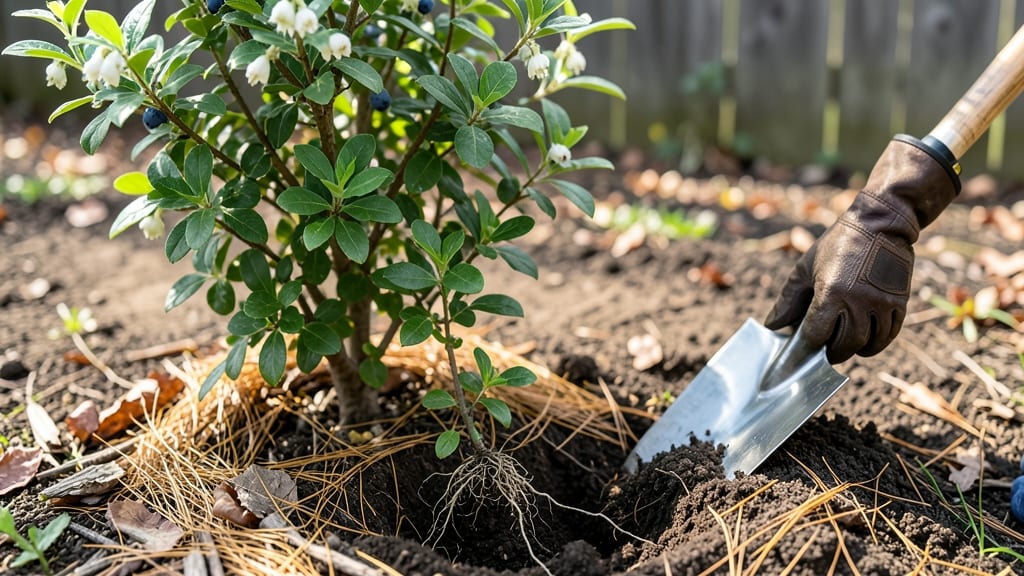
Timing your Blueberry Bush 🫐 planting in Michigan isn't just about the calendar—it's about matching nature's rhythm to avoid frost damage and maximize fruit production.
With Michigan's USDA Zones 5a-6b, you've got a narrow window between April's last frost and October's first chill, where getting it wrong can mean lost bushes or delayed harvests.
I've seen firsthand how a 2-week difference in planting can change everything—from stunted growth to bumper crops. The key lies in understanding your local chill-hour requirements (typically 600-900 hours for Michigan varieties) and when your soil warms enough to support root establishment without inviting early frost.
Whether you're prepping for early spring or fall planting, this guide cuts through the guesswork with exact dates tailored to Michigan's microclimates. We'll cover everything from soil prep to container gardening hacks for urban growers, so you can finally get those late June berries without the stress.
Let's dive into the perfect planting windows that'll have your bushes thriving—and your kitchen overflowing with homegrown 🫐 by next summer. Ready to transform your yard into a blueberry powerhouse?
Michigan blueberry planting dates by USDA Zone (chill-hours & frost risk)
Michigan’s USDA Zones 4-6 demand precise timing for blueberry bushes, where chill-hours (600-900) and frost-free dates dictate success. Planting too early risks frost damage, while late planting may delay fruiting.
Southern Michigan (Zone 6) has longer growing seasons, while the Upper Peninsula (Zone 4) requires earlier starts to meet chill requirements.
Blueberries thrive with 600-900 chill-hours, but Michigan’s Zone 4 areas need varieties like ‘Northblue’ (800+ hours) or ‘Bluecrop’ (700+ hours). Zone 5-6 gardeners can choose ‘Duke’ or ‘Jersey’, which tolerate fewer chill-hours. Always verify your variety’s chill needs before planting.
🌱
Spring planting in Michigan offers a longer establishment period before summer heat, but requires monitoring for late frosts. Aim to plant 2-4 weeks after your area’s last frost date. For example, in Detroit (Zone 6), plant by April 15 to avoid frost risks.
Fall planting (September-October) lets bushes establish roots before winter, but avoid planting 6 weeks before first frost. In Marquette (Zone 4), this means planting by September 15 to ensure root growth before October 15 frosts. Bare-root bushes planted in fall need extra mulch (4-6 inches) to insulate roots.
Blueberries hate wet, cold soil in spring. Wait until soil temperatures reach 50°F+ (use a soil thermometer) before planting. In Traverse City (Zone 5), this often means waiting until mid-April, even if frost dates suggest earlier planting.
Container-grown blueberries can be planted 2 weeks earlier than bare-root, as their roots are already established. However, containers dry out faster—water deeply every 2-3 days during Michigan’s summer droughts. Choose acid-loving potting mix (pH 4.5-5.5) to mimic native bog conditions.
🌿
Michigan’s microclimates can shift planting windows by 2-3 weeks. Urban areas like Detroit experience heat islands, delaying frost dates by up to 10 days compared to rural zones. Adjust your planting timeline by checking local Michigan State University Extension frost maps or using Almanac.com for hyper-local data.
For container gardening, extend your planting window by 1 month earlier in spring or 1 month later in fall. Containers warm up faster in spring and can be moved to protected microclimates (e.g., near south-facing walls) to extend the growing season.
Just ensure containers have drainage holes to prevent root rot.
How to adjust planting timing for Michigan’s microclimates (urban vs. rural)
Michigan’s diverse landscapes—from Detroit’s urban heat islands to Traverse City’s lake-effect cooling—create microclimates that drastically affect blueberry planting success. Urban areas often experience earlier springs and warmer winters, while rural zones face colder snaps and shorter growing seasons. Adjusting your planting window by just 2-4 weeks can mean the difference between thriving bushes and frost-killed saplings. For Detroit and southern Michigan, where heat islands delay frost, aim to plant bare-root blueberries in late April (instead of early April) to avoid false springs. Northern Michigan, including the Upper Peninsula, should stick to early September planting to ensure 600+ chill hours before winter. Lake-effect zones (like Traverse City) may need earlier fall planting due to sudden cold snaps from Lake Michigan.🌡️ Microclimate Adjustments for Michigan Blueberries
For southern Michigan, where last frost dates can vary by 10 days, monitor local Michigan State University Extension alerts or use a frost calendar. In northern zones, prioritize acid-loving soil amendments (like peat moss or sulfur) to compensate for shorter growing seasons.
Always test your soil pH—blueberries won’t thrive in alkaline soil, and Michigan’s limy soils often need adjustment. 🌱
Pro tip: Label your plants with their chill-hour requirements (e.g., ‘Duke’ needs 900 hours, while ‘Bluecrop’ needs 700). This helps you match varieties to your microclimate for guaranteed success.
Adjust mulch depth based on winter severity—6 inches in Zone 4 vs. 3 inches in Zone 6 makes all the difference. ✂️