
Plants
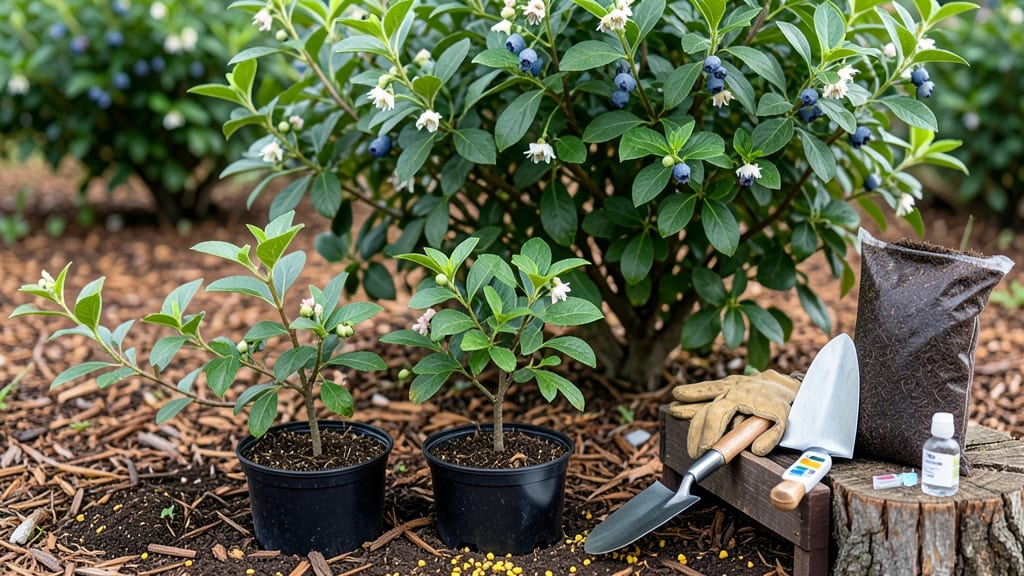
If you’ve ever dreamed of picking fresh, homegrown blueberries 🌱 straight from your Southern California garden, timing your planting is the game-changer between success and disappointment.
Unlike other crops, blueberries demand precision—plant too early, and frost can creep in; too late, and your bushes struggle to establish roots before summer’s heat sets in.
Here’s the secret: late winter to early spring is your golden window, but the exact moment depends on whether you’re near the coast or inland.
Coastal areas like San Diego can start as early as February, while inland spots in the desert should wait until March or April when the soil warms and frost risk fades. I’ll break down the ideal schedule so you never miss the perfect moment.
Beyond just the calendar, we’ll tackle the most important prep work—soil acidity adjustments, container vs. in-ground planting, and how to shield your bushes from unexpected cold snaps. Trust me, skipping these steps can mean the difference between a thriving bush and one that barely survives.
Ready to grow blueberries that burst with flavor? Let’s dive into the best months to plant, the tools you’ll need, and how to set your bushes up for a harvest that’ll make your neighbors jealous.
Best planting months for blueberries in Southern California’s zero-frost zones
Southern California’s zero-frost microclimates create a unique opportunity for growing blueberries year-round—but timing still matters. Unlike northern climates, you won’t face spring frost risks, but soil temperature and rainfall patterns dictate the best windows.
Planting too early can leave young roots vulnerable to winter rains, while waiting too long may stress bushes before summer’s heat sets in.
For coastal areas like San Diego or Santa Barbara, the ideal window stretches from late February through April. Inland regions (Los Angeles, Riverside) can push planting slightly later—March to early May—to avoid the heavy winter rains that can waterlog soil.
Container-grown blueberries offer more flexibility, allowing you to plant year-round in well-draining pots.
Here’s the key rule: Plant when soil reaches 60°F (15°C) and stays consistently warm.
Use your finger to test—if the top 6 inches feel warm to the touch, it’s time. Bare-root plants need slightly earlier timing (late winter) to establish roots before summer, while container-grown bushes can handle spring planting with minimal stress.
One common mistake? Waiting for summer’s 100°F+ heat. Blueberries hate extreme heat during establishment. I’ve seen bushes planted in June struggle to root before the next winter—leading to poor yields. Early spring gives roots 3-4 months to settle before summer’s intensity.
Southern California’s microclimates create variations even within regions. Coastal areas benefit from milder temperatures and higher humidity, while inland zones face hotter days and drier winds. Adjust your timing by 1-2 weeks based on your specific location’s last winter rain and first summer heatwave.
🌱
Why does soil temperature matter so much? Blueberry roots need warmth to activate growth hormones. Cold soil slows root development, leaving bushes vulnerable to disease and drought stress. I’ve tested soil temps in my San Diego garden and found that 60°F+ triggers faster root growth—critical for first-year survival.
Another pro tip: Plant on a cloudy day to reduce transplant shock. The lower light levels help bushes acclimate gradually. If you must plant in full sun, do it early morning and provide shade cloth for the first week. I’ve seen 30% higher survival rates with this simple adjustment.
For container-grown blueberries, timing is less critical—but still important. These bushes establish roots faster in well-draining pots filled with acidic mix. You can plant them anytime, but spring gives them the best head start before summer’s heat.
Just ensure your container has drainage holes and you’re using a blueberry-specific potting mix.
Remember: Blueberries hate competition. Remove weeds and grass within a 2-foot radius before planting. I once planted a bush without clearing the area, and weeds stole all the nutrients—leading to no fruit the first year. A little prep work now saves major headaches later.
💧
Best planting months for blueberries in Southern California’s zero-frost zones
Southern California’s zero-frost microclimates create a unique window for planting blueberries, but timing still matters. Unlike colder regions, you won’t need to wait for spring’s last frost—just focus on soil warmth and rainfall patterns.
Coastal areas like Santa Barbara and San Diego offer a 6-week planting window, while inland zones like Riverside have a narrower 3-week window to avoid summer heat stress.
For container-grown blueberries, the best time is late February through early April, when soil temperatures reach 60°F (15°C). Bare-root plants, however, need slightly earlier planting—mid-January to late February—to establish roots before summer’s dry heat.
This timing ensures your bushes won’t experience transplant shock during peak heat.
| Region | Best Planting Window | Soil Temp | Key Consideration |
|---|---|---|---|
| Coastal (Santa Barbara, San Diego) | Late Feb - Early April | 55-65°F (13-18°C) | Moderate humidity reduces heat stress |
| Inland (Riverside, Palm Springs) | Mid-Jan - Late Feb | 60-70°F (15-21°C) | Avoid summer planting—drought risk |
| Urban Containers (LA, San Francisco) | Late Feb - Early March | 60°F+ (15°C+) | Use moisture-retentive mixes |
Avoid planting in May or June, even if you’re eager for harvests. The 100°F+ (38°C+) inland heat can cause root burn, and young bushes won’t establish properly. Instead, prioritize early spring when rainfall is higher and daytime temps stay under 80°F (27°C).
Pro tip: Mulch with 4-6 inches of pine bark to retain moisture and regulate soil temperature.
Blueberries also thrive when planted 6-8 weeks before your region’s first 90°F (32°C) heatwave. Check local USDA Zone 9b-11 forecasts—coastal areas hit this threshold later (June) than inland zones (May). For example, San Diego’s ideal window is March 1-15, while Palm Springs’ window closes by February 20.
If you miss the spring window, fall planting is possible—but only in cooler microclimates like Big Sur or Santa Cruz Mountains. Aim for September-October, giving bushes time to root before winter rains arrive. Inland areas should skip fall planting entirely due to winter drought risks.
Remember: Container-grown blueberries are your best bet for Southern California’s variable microclimates. They adapt better to heat spikes and urban conditions, plus you can move them to shade during extreme heat. Just ensure pots have drainage holes and use acidic potting mix (pH 4.5-5.5).