Plants
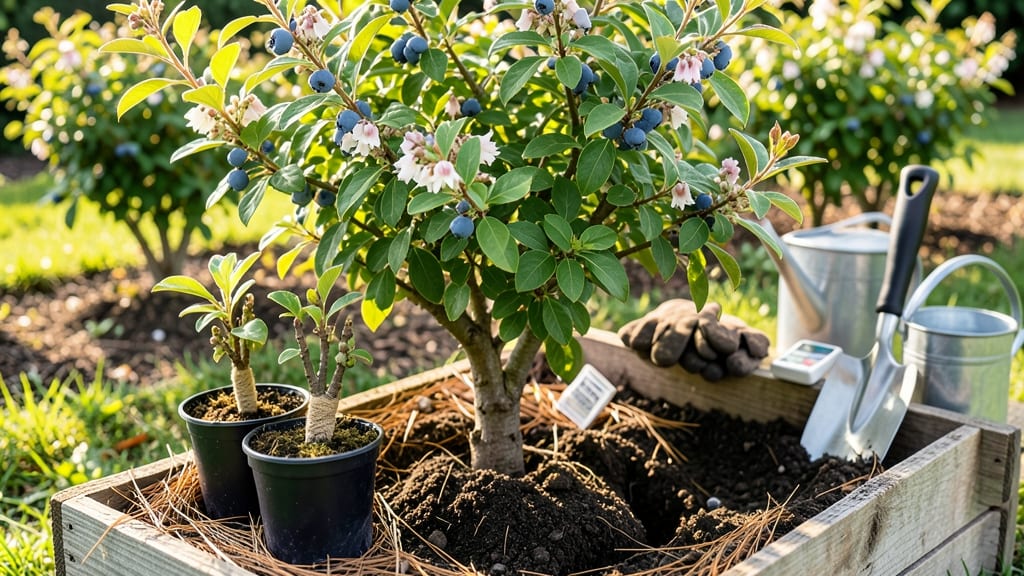
Planting blueberries in Maryland at the wrong time can mean the difference between a thriving bush and one that struggles—or worse, fails entirely. With frost dates that shift yearly, knowing the exact window to plant your 🫐 bushes is the key to avoiding stunted growth or wasted effort.
Maryland’s USDA zones 7a-7b give you two prime chances to get it right: late winter to early spring for bare-root plants or fall for container-grown varieties.
But timing isn’t just about the calendar—it’s about reading your local microclimate, whether you’re in Baltimore’s urban heat or the cooler hills of Western Maryland.
I’ll break down the ideal months for your region, plus how to adjust for early frosts or unexpected heat spikes. By the end, you’ll know not just when to plant, but how to give your blueberries the best shot at a bountiful harvest—without the guesswork.
Ready to turn your backyard into a blueberry powerhouse? Let’s dive into the perfect planting schedule for Maryland’s ever-changing weather.
Best planting months in Maryland: frost zones and exact dates
Maryland’s USDA zones 5b-7a create a tricky balance for blueberry planting—too early, and frost zaps tender roots; too late, and your bushes struggle to establish before winter. The sweet spot is late March to early April for bare-root plants or fall (September-November) for container-grown bushes.
This timing aligns with Maryland’s average last frost dates (April 15 in most regions) while giving roots time to harden before winter.
For northern Maryland (zones 5b-6a, like Frederick or Hagerstown), aim for late April planting—warmer soil thaws later here, and early spring frosts are more common.
In southern Maryland (zones 7a-8a, like Annapolis or coastal areas), you can plant as early as March 15 for bare-root varieties, thanks to milder winters. Coastal areas often have earlier last frosts (mid-April), giving you a 2-week head start over inland regions.
Here’s the golden rule: Plant when soil temperatures reach 40°F (4°C)—this signals root activity without frost risk. Use a soil thermometer to check, or wait until daffodils bloom (a classic frost-free signal).
For container-grown blueberries, fall planting (September-October) is ideal—they establish roots before winter dormancy and burst into growth in spring.
Pro Tip: Check your local Maryland Cooperative Extension frost maps annually—climate change has shifted frost dates in some areas by 1-2 weeks. For example, Baltimore’s last frost now averages April 10 instead of April 15. Adjust your timeline accordingly to avoid frost damage to new growth.
🌱 Did You Know? Maryland’s microclimates can vary by 10°F (5°C) within 20 miles! High-altitude areas like Catoctin Mountain Park may have 2 weeks later last frosts than nearby valleys. Always verify with a local nursery or Almanac frost calendar.
Maryland Blueberry Planting Timeline
| Region | USDA Zone | Best Planting Window | Last Frost Date | Notes |
|---|---|---|---|---|
| Northern MD (Frederick, Hagerstown) | 5b-6a | Late April (bare-root) or Sept-Oct (container) | April 22 | Wait for soil >40°F |
| Central MD (Baltimore, Annapolis) | 6b-7a | March 15-April 1 (bare-root) or Sept-Nov (container) | April 10 | Urban areas may be 5°F warmer |
| Southern MD (Coastal, DC Metro) | 7a-8a | March 1-April 15 (bare-root) or Sept-Oct (container) | March 25-April 5 | Earlier frosts near Chesapeake Bay |
| High-Altitude (Western MD) | 5b-6a | Late April-May (bare-root) or Oct (container) | May 1 | Use row covers for early spring |
📅 Key: Bare-root plants need moist, cool soil; container plants adapt better to fall planting.
If you’re planting bare-root blueberries, soak roots in water for 2-4 hours before planting to rehydrate them. For container-grown bushes, plant at the same depth as their nursery pot—burying the stem too deep can cause rot.
After planting, water deeply (1-2 gallons) to eliminate air pockets in the soil and encourage root spread.
For Maryland’s coastal regions, like Calvert or Anne Arundel Counties, watch for salty winds—these can stress young plants. Amend soil with 2 inches of compost and peat moss to improve drainage and acidity. In urban areas,
How to adjust planting time for Maryland’s microclimates
Maryland’s diverse geography means blueberry planting times can vary by just a few weeks depending on where you live. Coastal areas like Annapolis experience milder winters, while Western Maryland’s higher elevations see earlier frosts.
Even urban heat islands in Baltimore can push back frost dates by 1-2 weeks. Understanding these microclimates helps you plant at the perfect time for your specific location.
For coastal regions (e.g., Annapolis, Chesapeake Bay), aim for late April to early May for bare-root plants, as coastal winds delay frost. In higher-elevation areas (e.g., Frederick County), plant bare-root blueberries in early April or container-grown plants in late March to avoid late frosts.
Urban gardeners in Baltimore may extend planting into mid-April due to heat retention in city environments.
Microclimate
Best Planting Window
Adjustments Needed
Coastal (Annapolis, Chesapeake)
Late April–Early May (bare-root)
Wait for soil to warm above 45°F
Urban (Baltimore, DC suburbs)
Mid-April–Early May
Use mulch to protect roots
High Elevation (Frederick, Cumberland)
Early April (bare-root) or Late March (potted)
Plant dwarf varieties for faster establishment
If you’re in a windy area, like the Eastern Shore, use windbreaks (e.g., tall grasses or shrubs) to shield young plants. For container-grown blueberries, you can plant 1-2 weeks earlier than bare-root varieties, as their roots are less frost-sensitive.
Just ensure pots are buried halfway in the ground for insulation. Row covers or cold frames can also extend your planting window by 2-3 weeks in colder microclimates.
Monitor local weather forecasts for 3-day temperature predictions before planting. If a hard freeze (<28°F) is forecasted, delay planting until conditions stabilize. In urban areas, check for heat island effects—if your garden stays 10°F warmer than rural areas, adjust your planting date 1 week later to avoid heat stress.
Pro Tip: Test your soil’s acidity (pH 4.5–5.5) before planting—Maryland’s native soil is often alkaline, and blueberries won’t thrive without amendments like peat moss or sulfur. Add 2 inches of compost to the planting hole to improve drainage and fertility.
🌱