
Plants
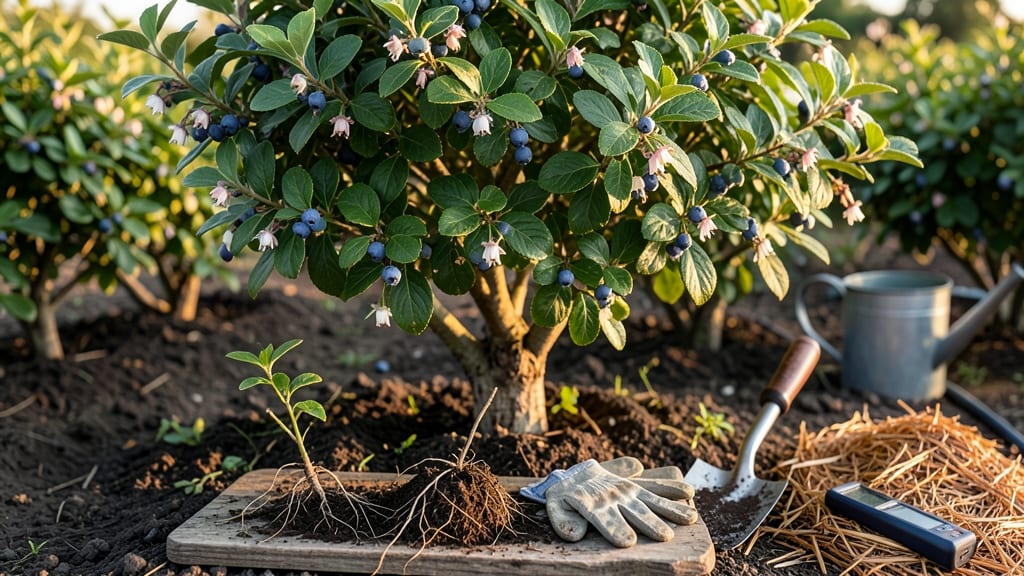
Timing your blueberry 🫐 planting in New Jersey isn’t just about the calendar—it’s about matching your plants to the region’s chill hours and frost patterns. Get it wrong, and you might end up with sparse harvests or struggling bushes, even in USDA zones 6a-7b.
But nail the window, and you’ll set the stage for years of juicy, homegrown berries that ripen from late June to August.
Most gardeners in NJ know spring and fall are the prime times to plant, but the devil’s in the details. Planting too early risks frost damage, while waiting too late can stunt root growth before winter.
The key? Understanding how chill-hour requirements (like 400-1,000 hours for most varieties) align with NJ’s climate—whether you’re in coastal areas or inland zones where temperatures drop faster.
In this guide, I’ll break down the exact months to plant—late April to early June for spring or October to November for fall—plus how to prep your soil for acidic-loving blueberries.
You’ll also discover which varieties thrive in your microclimate and how to protect your bushes from NJ’s unpredictable weather. Let’s get those blueberry bushes off to the best start possible.
Ready to turn your backyard into a berry patch? By the end, you’ll know not just when to plant, but how to give your blueberries the edge they need to outperform the neighbors’. Spoiler: It starts with the right timing—and a little local know-how.
Best planting months in NJ based on chill hours
New Jersey’s USDA zones 6a-7b create a unique challenge for blueberry growers. Unlike tropical fruits, blueberries need chill hours—a specific number of cold winter hours—to set fruit properly.
Most NJ varieties require 400-1,000 chill hours, so timing your planting around these needs is critical for a reliable harvest.
For spring planting, aim for late April to early June—after the last frost date (typically mid-April in most of NJ). This gives young plants time to establish roots before summer heat. However, fall planting (October-November) is often preferred because it allows roots to settle before winter dormancy.
Northern NJ (e.g., Bergen, Sussex) has cooler microclimates and can handle higher-chill varieties like 'Bluecrop' (800+ chill hours). Southern NJ (e.g., Atlantic City, Cape May) is warmer, so varieties like 'Patriot' (400-600 chill hours) thrive better.
Matching your variety to your region’s chill hours is the secret to consistent yields.
🌱
| Planting Window | Chill Hours Needed | Best Varieties | NJ Region Fit |
|---|---|---|---|
| Late April - Early June | 400-600 | Patriot, Jersey, Top Hat | Southern NJ (coastal) |
| October - November | 600-1,000 | Bluecrop, Duke, Elliott | Northern/Central NJ |
| Early September (bare-root) | 500-800 | Chester, Legacy | All regions (dwarf varieties) |
If you plant in spring, choose low-chill varieties like 'Patriot' to avoid poor fruit set. For fall planting, higher-chill varieties like 'Bluecrop' perform better because they’ve had time to acclimate to winter. Always check the last frost date for your specific NJ county—delay planting if frost is forecasted.
Pro tip: Bare-root plants can be planted in early spring (March-April) or fall (October-November). Container-grown blueberries are more flexible and can be planted year-round, but avoid extreme heat or frost periods. Mulch heavily with pine needles or peat moss to maintain soil acidity and moisture.
One common mistake is planting too early in spring when the soil is still cold. Wait until the ground warms to at least 50°F (10°C) for optimal root growth. Use a soil thermometer to check—this small tool can save you from stunted plants.
For container growing, timing is less critical, but still plant in spring or early fall to avoid stress. Containers dry out faster, so ensure they have drainage holes and use a well-draining acidic mix.
Move pots to a protected location if frost is predicted, even in warmer southern NJ.
Finally, consider local nurseries like Baldwin’s Garden Center or Baker Creek Heirloom Seeds for NJ-adapted varieties. They often provide chill-hour data on tags, making it easier to pick the right plant for your microclimate.
Timing your blueberry planting around chill hours and frost dates isn’t just guesswork—it’s a science. But once you master it, you’ll enjoy juicy, homegrown berries for years to come. 🫐
Best planting months in NJ based on chill hours
New Jersey’s USDA zones 6a-7b create a unique challenge for blueberry growers—too early, and frost zaps tender roots; too late, and plants struggle to establish before winter. The key?
Matching your blueberry variety to its chill-hour needs (400–1,000 hours below 45°F). Most NJ varieties thrive with 600–900 chill hours, found in both spring and fall planting windows.
For spring planting, aim for late April to early June—after the last frost (typically mid-April) but before summer’s heat stress. Fall planting, however, offers cooler soil and reduced transplant shock, making October to November ideal.
Southern NJ’s milder winters may extend your window slightly later than northern regions.
🌱
Northern NJ’s shorter growing season favors varieties like Patriot (800 chill hours), while southern NJ’s warmer microclimate suits Top Hat (300 chill hours). Always check your local last frost date—delay planting if early frosts threaten young roots.
Pro tip: Use row covers for spring plantings in zone 6a to extend the season.
Soil prep is just as critical as timing. Amend your soil to pH 4.5–5.5 using sulfur or peat moss—blueberries demand acidity. Work in compost for drainage, and avoid fresh manure, which can raise pH. Plant in well-draining soil to prevent root rot, especially in NJ’s humid summers.
💧
Once planted, mulch heavily with pine needles or wood chips to retain moisture and acidity. In spring, fertilize with an acid-loving formula (10-10-10) to kickstart growth. By year two, your bushes should reward you with blueberry harvests in late June to August—if you’ve nailed the chill-hour timing!