
Plants
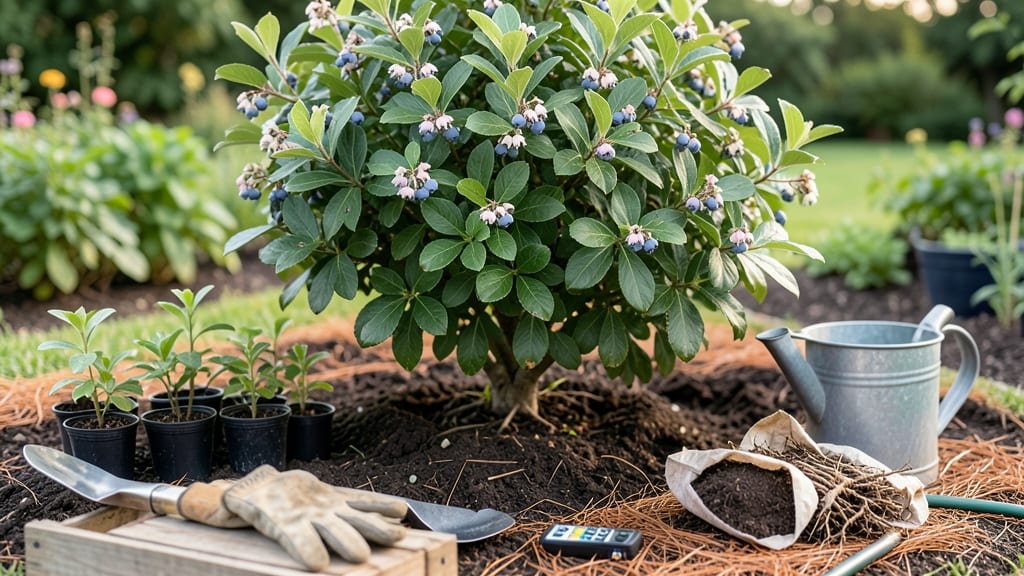
The key to growing juicy, homegrown blueberries in Mississippi when to plant blueberries in Mississippi isn't just about digging a hole—it's timing your planting with the state's unique climate zones and chill-hour needs.
Most gardeners make one critical mistake: planting too late in spring when the soil is already warming up. For Mississippi's 8a-9a zones, the ideal window is actually late winter to early spring—between February and March—when the ground is workable but before the heat sets in.
Why does timing matter so much? Because blueberries need proper dormancy to set fruit, and Mississippi's warm winters mean you can't just follow northern planting guides. I'll show you exactly how to match your variety to your region's chill hours for maximum yield.
From choosing between bare-root and container plants to adjusting for North vs. South Mississippi microclimates, we'll cover all the local secrets that make the difference between a thriving bush and a disappointing harvest.
Best planting times for Mississippi blueberries by chill-hour requirements
Mississippi’s mild winters make blueberry planting timing critical—choose the wrong variety or window, and you’ll miss fruit entirely. Most gardeners focus on soil prep but overlook chill-hour matching, which determines whether your bushes will flower and produce berries.
In Mississippi’s USDA Zones 8a-9a, chill hours range from 200–600 hours below 45°F, meaning some varieties thrive while others fail to set buds.
Southern Highbush varieties (like ‘Aureole’ or ‘Peach Sorbet’) need only 200–300 chill hours, making them ideal for Mississippi’s warmer southern regions. Rabbiteye types (such as ‘Climax’ or ‘Powderblue’) tolerate 400–600 chill hours and perform better in northern Mississippi’s cooler microclimates.
Planting at the wrong time—especially with high-chill varieties—can leave your bushes dormant and barren.
For optimal dormancy and flowering, plant Southern Highbush blueberries in late winter to early spring (February–March), while Rabbiteye varieties can handle a slightly later window (March–April). Fall planting is possible in northern Mississippi but risky in the south due to early frost.
Let’s break down the exact timing for each type to maximize your harvest.
| Variety Type | Chill Hours Needed | Best Planting Window | Soil pH Requirement | Frost Risk Note |
|---|---|---|---|---|
| Southern Highbush | 200–300 hrs | Late Feb–Early Mar | 4.5–5.5 | Low in southern MS |
| Rabbiteye | 400–600 hrs | March–Early Apr | 4.5–5.5 | Moderate in north MS |
| Half-High (Hybrid) | 300–400 hrs | Feb–Late Mar | 4.5–5.5 | Variable by location |
🌱 Pro Tip: Test soil pH before planting—Mississippi’s native soil is often alkaline (pH 6.5+). Amend with sulfur or peat moss to reach the acidic range (4.5–5.5).
Spring planting (February–March) is ideal for bare-root blueberries because the soil is workable and roots establish before summer heat. If you opt for container-grown bushes, plant anytime the ground isn’t frozen, but prioritize early spring to give roots time to adapt before Mississippi’s 90°F+ summers.
Avoid fall planting in southern Mississippi—temperatures can drop suddenly, shocking tender roots.
Mississippi’s humidity and heat also play a role in timing. Planting too late (April+) risks heat stress during root establishment, while early February plantings may face unpredictable frost in northern regions. For container-grown bushes, extend your window slightly (up to May) but water deeply afterward to combat drought stress.
One common mistake is assuming all blueberries thrive in Mississippi’s climate. Northern Highbush varieties (like ‘Bluecrop’) require 600+ chill hours and will fail to flower in most of the state.
Stick to Southern Highbush or Rabbiteye types, which are bred for low-chill environments. If you’re in north Mississippi (Zone 8a), Rabbiteye varieties like ‘Tifblue’ are your best bet.
After planting, mulch heavily with pine straw or wood chips to maintain soil acidity and retain moisture. In southern Mississippi (Zone 9a), where summers are longer, prioritize drip irrigation to prevent water stress.
Remember: Blueberries need consistent moisture but hate soggy roots. A 5-inch layer of mulch will save you hours of hand-watering and protect against root rot.
For container growing, choose dwarf varieties like ‘Top Hat’ and plant in acidic potting mix with good drainage. Containers heat up faster in Mississippi’s sun, so place them in partial shade during peak afternoon heat.
Container-grown blueberries can be planted anytime the soil isn’t frozen, but spring is still best for root establishment.
Finally, prune lightly after planting to remove damaged branches and encourage a strong framework. Avoid heavy pruning in the first year—let your blueberries focus on root growth rather than fruit production.
With the right variety and timing, you’ll see first harvests in 2–3 years, with full production by year 5.
Mississippi’s blueberry season peaks in May–June, so timing your planting now means homegrown berries in just a few years. Just match your variety to your chill hours, plant in early spring, and keep that soil acidic—your future breakfast will thank you! 🫐
How to adjust planting timing for Mississippi’s microclimates (north vs. south regions)
Mississippi’s climate varies dramatically from its northern to southern regions, which means planting blueberries in February might work in the Delta but fail in the Northeast. Understanding these microclimates helps you choose the right variety and planting window for your yard.
The state’s USDA Zones 8a-9a create distinct frost patterns, so let’s break it down by region.
In Northern Mississippi (e.g., Tupelo, Oxford), winters are cooler with 300-500 chill hours, making it ideal for Southern Highbush varieties like 'Climax' or 'Premier.'
These areas experience later last frosts (March 1-15), so aim to plant bare-root bushes in late winter (February) or container-grown plants in early spring (March).
Conversely, Southern Mississippi (e.g., Biloxi, Gulfport) has warmer winters (200-400 chill hours), favoring Rabbiteye varieties like 'Centennial' or 'Powderblue.' Here, the last frost arrives by February 15, so planting bare-root bushes in January-February or container plants in February-March works best.
The warmer climate also means less dormancy stress, so timing is slightly more flexible.
🌱 Mississippi Blueberry Planting Guide by Region
| Region | Chill Hours | Best Varieties | Planting Window | Soil Prep Tip |
|---|---|---|---|---|
| Northern MS | 300-500 | Southern Highbush | Feb (bare-root) / Mar (container) | Add peat moss for acidity |
| Southern MS | 200-400 | Rabbiteye | Jan-Feb (bare-root) / Feb-Mar (container) | Use pine bark mulch |
For both regions, soil preparation is critical. Mississippi’s native soil is often alkaline (pH 6.5-7.5), but blueberries need acidic soil (pH 4.5-5.5). Test your soil 4-6 weeks before planting and amend with sulfur or peat moss if needed.
In Northern Mississippi, apply a 2-inch layer of pine straw mulch after planting to protect roots from late frosts.
If you’re in a transition zone (e.g., Jackson, Meridian), opt for mid-season varieties like 'Tifblue' that tolerate 250-600 chill hours. Plant these in late February to balance frost risk and dormancy needs. Always monitor your local frost dates—the Mississippi State Extension provides updated frost maps annually.
Finally, container growing is a great option for Southern Mississippi’s warmer winters. Use large pots (15+ gallons) with acidic potting mix and plant in February-March for immediate harvests. Just remember: Rabbiteye varieties in containers need extra winter protection like frost cloth if temperatures dip below 20°F.
🌿