
Plants
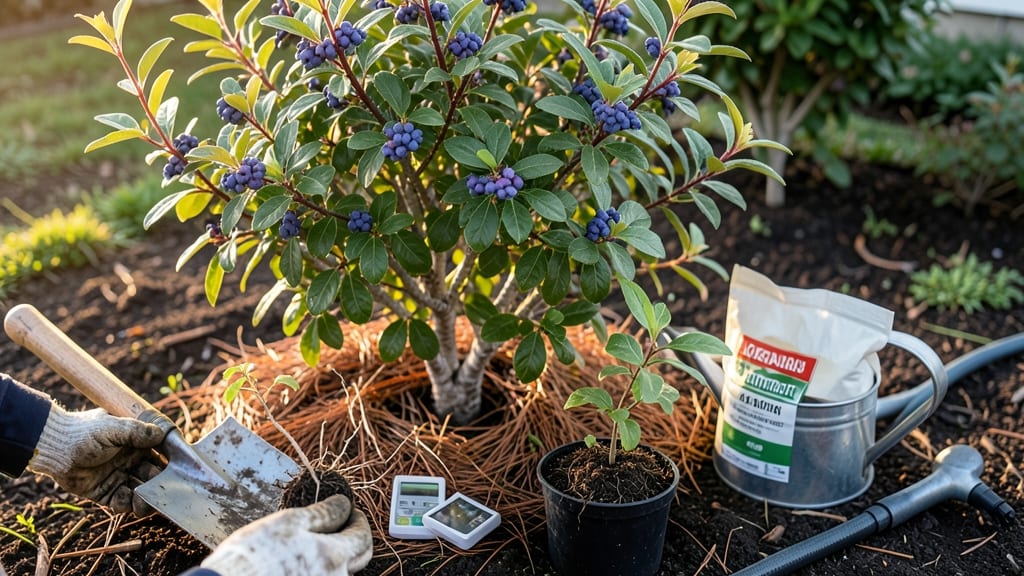
Timing your blueberry planting in Colorado isn’t just about the calendar—it’s about avoiding frost’s cruel tricks and giving your 🫐 bushes the best shot at survival. With last frosts creeping from early April in Denver to late May in mountain valleys, getting this wrong means watching your saplings turn into sad, icy snacks.
Most gardeners swear by spring planting between April and May, but Colorado’s microclimates throw a wrench in that plan. Urban heat islands in Denver might let you plant a week earlier, while high-altitude Boulder gardens could need to wait until after Memorial Day.
Then there’s fall planting—September to October works if you’re in zones 6-7, but timing matters just as much to avoid winter’s wrath.
Here’s the game-changer: soil temperature matters more than air temperature. Stick your finger in the ground—if it’s above 50°F at 4 inches deep, your blueberries are ready. And don’t forget: container planting buys you flexibility, letting you adjust for frost pockets or rocky soil that ground planting can’t handle.
I’ll break down exactly when to dig in your specific corner of Colorado—whether you’re in the Front Range’s dry air or the mountains’ cooler embrace—plus pro tips to outsmart Mother Nature’s surprises. Let’s get those bushes thriving!
Optimal Colorado blueberry planting dates by elevation zone
Colorado’s elevation zones create dramatic shifts in planting windows for blueberries. At 3,000–5,000 feet (e.g., Denver metro), last frosts typically arrive by mid-April, while 7,000+ feet (mountain towns like Fraser) may see frost until late May.
These differences mean your planting timeline could vary by 6 weeks depending on location.
For lowland areas (3,000–5,000 ft), aim to plant bare-root blueberries in early April or late September. In foothills (5,000–7,000 ft), shift to mid-April or early October to avoid late frosts.
At high elevations (7,000+ ft), wait until late May for spring or mid-October for fall to ensure soil warmth.
Here’s how USDA Hardiness Zones 5–7 translate to Colorado’s elevation bands and your planting schedule:
| Elevation Zone | USDA Zone | Last Frost | Spring Planting | Fall Planting | Best Varieties |
|---|---|---|---|---|---|
| 3,000–5,000 ft (Lowland) | Zone 6 | Mid-April | Early April | Late Sept–Oct 15 | Bluecrop, Jersey |
| 5,000–7,000 ft (Foothills) | Zone 5–6 | Late April | Mid-April | Early Oct | Duke, Patriot |
| 7,000+ ft (Mountains) | Zone 5 | Late May | Late May | Mid-Oct | Top Hat, Legacy |
In Denver (5,280 ft), I’ve found that spring planting in early April gives bushes a 6-week head start before summer heat. However, Colorado Springs (6,000 ft) gardeners often wait until mid-April due to later frosts.
Always check your local CoCoRaHS frost data—a 5°F swing can mean the difference between success and failure.
For fall planting, aim to get roots established 4–6 weeks before the first frost. In Pueblo (4,700 ft), that’s early October, while in Fort Collins (5,050 ft), I’ve seen success with mid-October plantings. Use mulch (4–6 inches) to insulate roots during winter.
Pro tip: If you’re in a microclimate hotspot (e.g., urban Denver’s heat islands), plant 2–3 weeks earlier than the zone average. Conversely, windy mountain sites may need a 2-week delay to avoid transplant shock.
Blueberries need 120–160 frost-free days to mature. At 7,000+ feet, this limits you to late-blooming varieties like ‘Top Hat,’ which tolerates shorter growing seasons. In lowland zones, early varieties like ‘Bluecrop’ can produce fruit in just 90 days.
Always test your soil pH (4.5–5.5) before planting—Colorado’s alkaline soils often need sulfur or peat moss to acidify. Pair this with well-draining soil to prevent root rot, especially in clay-heavy foothill areas.
🌱
How Colorado’s microclimates affect blueberry growth timing
Colorado’s microclimates create dramatic shifts in blueberry planting success, where a single mile can mean 10°F temperature differences or soil moisture extremes.
In urban Denver, heat islands delay spring frosts by 2-3 weeks compared to rural Weld County, while mountain valleys like Grand Junction experience earlier soil warming. These variations force gardeners to adjust planting dates based on local conditions, not just calendar months.
Your blueberry bush’s survival hinges on three critical microclimate factors: soil temperature, wind exposure, and moisture retention.
For example, Boulder’s sun-exposed slopes warm 5°F faster than Colorado Springs’ shaded canyons, meaning you might plant in early April in one spot but wait until mid-May just 20 miles away. Even elevation changes of just 1,000 feet can shift planting windows by 2-4 weeks.
Here’s how to assess your site’s risks before planting:
Microclimate Risk Assessment for Blueberries
- Faster soil warming → Plant 2 weeks earlier
- Heat stress risk → Use mulch to retain moisture
- Pollution tolerance → Less fungal pressure than rural
- Delayed soil warming → Wait for consistent 50°F soils
- Windburn risk → Plant near windbreaks or use frost cloth
- Water scarcity → Prioritize drip irrigation
- Late frosts → Choose late-blooming varieties (e.g., ‘Duke’)
- Rocky soil → Amend with peat moss for acidity
- Short season → Plant dwarf varieties in containers
- Cooler soils → Delay planting until after last frost
- Lower yields → Supplement with grow lights if needed
- Fungal risk → Improve air circulation with pruning
For container growers, microclimates matter even more because pots heat up faster in sun and freeze quicker in wind. If you’re growing blueberries in pots on a balcony in Colorado Springs, move containers to shadier spots during July-August to prevent heat stress.
Conversely, high-altitude containers in Fort Collins may need row covers until May 15 to protect from late-spring frosts.
Pro tip: Use a soil thermometer to confirm 50°F soil temps before planting—this is your true green light, not the calendar. In dryland areas, wait until June 1 for fall planting to avoid winter desiccation from chilly winds.
And if your yard has frost pockets (common in low-lying spots), plant blueberries in raised beds to improve drainage and warmth.
Colorado’s microclimate math boils down to this: Adjust your planting date by 1 week for every 1,000 feet in elevation and add 2 weeks in urban heat islands. With these tweaks, your blueberry bushes will establish roots confidently—no matter where you garden in the Centennial State. 🌱