
Plants
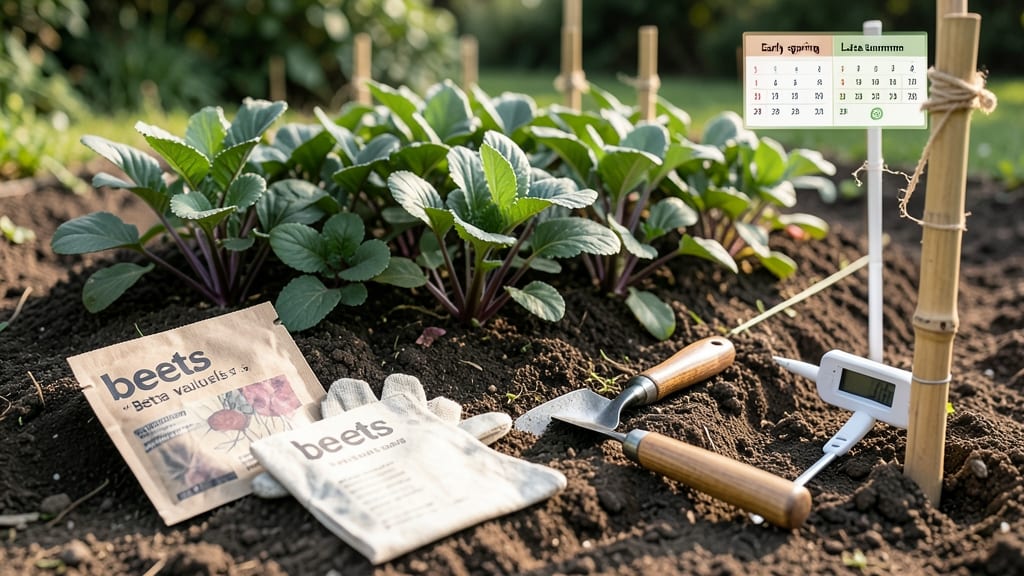
If you're growing beets in Zone 7b, timing your planting could mean the difference between sweet, tender roots and bitter, tough ones.
The key is to start seeds 4-6 weeks before your last frost date, typically in early spring when soil temperatures hit 50°F—but there’s a second window too.
Most gardeners in Zone 7b focus on spring planting, but late summer (August) offers a second chance for a fall harvest. Miss these windows, and you risk bolting—when beets go to seed prematurely—or stunted growth from heat stress.
I’ll show you exactly how to calculate your ideal planting dates using frost maps and soil cues.
You’ll also discover how to stretch your harvest season with succession planting, whether direct sowing or transplants work best, and how to protect young seedlings from unexpected late frosts. By the end, you’ll have a foolproof plan for growing beets all season long.
Ready to grow the best beets in your garden? Let’s get started with the exact weeks and tips tailored for Zone 7b’s climate.

Optimal planting weeks before last frost in Zone 7B for maximum yield
In Zone 7B, beets thrive when planted at precise times—too early and they bolt; too late and you miss peak harvests.
The ideal window is 4-6 weeks before your last frost date (typically March 15-April 1 in most of Zone 7B), but soil temperature matters just as much as calendar dates.
Beet seeds need soil temperatures above 45°F (7°C) to germinate reliably. If you plant too soon, cold soil causes slow germination or rot. Use a soil thermometer to confirm readiness—wait until temperatures consistently stay above 50°F (10°C) for best results.
For a second harvest, aim for 60-90 days before your first frost (usually August 15-September 15). This gives beets time to mature before cold weather sets in. Fall-planted beets also benefit from cooler temperatures, which sweeten their flavor.
To find your exact dates, check the USDA Plant Hardiness Zone Map and adjust based on your local microclimate. Coastal areas may have later frost dates than inland regions, so always verify with a local weather station or extension service.
Pro tip: If your spring is unpredictable, start seeds indoors 4-6 weeks before your target outdoor date. Beets grow slowly from seed, so early starts help you stay ahead of bolting risks when temperatures rise.
For Zone 7B gardeners, I recommend Detroit Dark Red or Golden varieties—they mature quickly and handle both spring and fall conditions well. Always direct-sow beets; they hate transplanting and bolt easily when disturbed.
Remember: Beets are cool-season crops, so they thrive in Zone 7B’s mild winters. With the right timing, you can enjoy fresh beets from late spring through early fall, even in the same garden bed.
Once you’ve nailed your planting windows, the next step is succession planting—but we’ll cover that in the next section! 🌱
Optimal planting weeks before last frost in Zone 7B for maximum yield
In Zone 7B, your last frost date typically falls around April 15, but this can vary slightly by microclimate. For spring planting, aim to sow beet seeds 4-6 weeks before that date—so mid-to-late March is your sweet spot.
This timing ensures seedlings emerge when soil temperatures hit 45°F (7°C), the minimum for germination.
Beets thrive in cool weather and bolt (go to seed) when temperatures exceed 80°F (27°C). Planting too early risks frost damage, while waiting too long may lead to heat stress. Use USDA frost maps to pinpoint your exact last frost date and adjust accordingly.
Soil temperature is just as critical as air temperature. Beets need soil that’s at least 45°F (7°C)—use a soil thermometer to confirm. If your soil is colder, wait a few more days or use black plastic mulch to warm it faster.
Zone 7B Beet Planting Windows
| Season | Planting Window | Key Considerations |
|---|---|---|
| Spring | 4-6 weeks before last frost (mid-to-late March) | Soil temp ≥45°F (7°C), avoid frost risk |
| Fall | 60-90 days before first frost (August-September) | Harvest before hard frost; use cold-hardy varieties |
For a fall harvest, sow seeds 60-90 days before your first frost date (around November 15 in Zone 7B). This means starting in late August to early September. Choose cold-hardy varieties like 'Detroit Dark Red' or 'Golden' for late-season success.
Direct sowing is highly recommended for beets—transplants struggle with root shock. Scatter seeds ½ inch deep and 1-2 inches apart, then thin seedlings to 3-4 inches apart once they’re 2-3 inches tall. This spacing prevents overcrowding and ensures plump roots.
Pro tip: Use row covers or cloches if late frosts threaten. These protect young seedlings while still allowing sunlight and air circulation. Remove covers once danger of frost passes to avoid overheating.