
Plants
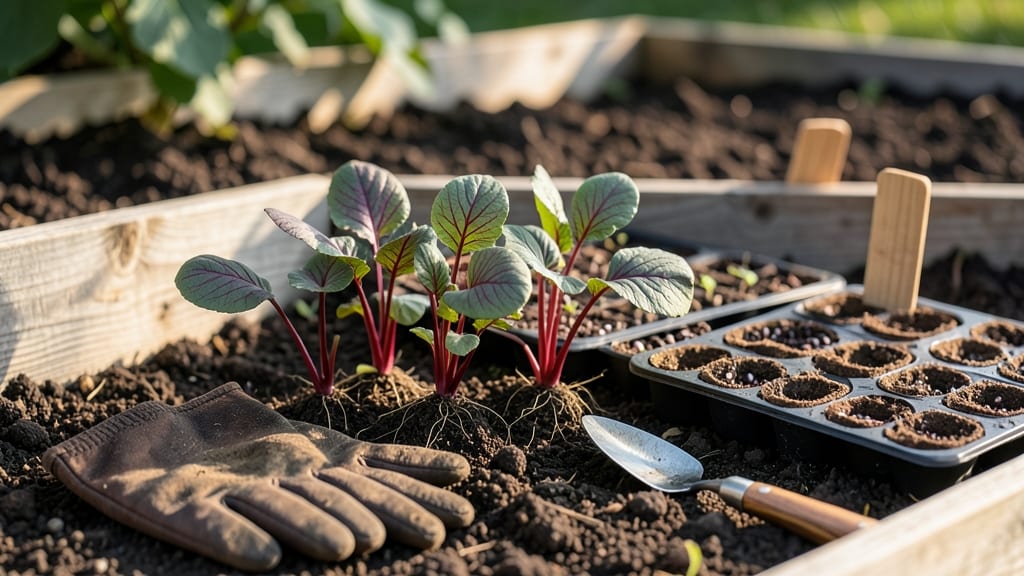
Knowing when to plant beets in Maryland can mean the difference between a thriving garden and a sad, frost-nipped disappointment. Maryland’s climate—with its unpredictable swings from chilly springs to early autumn frosts—demands precision if you want sweet, tender 🍠 harvests that rival your favorite farmers' market finds.
Most gardeners in Maryland’s USDA Zones 7a-7b swear by two planting windows: late March through April for spring crops and early September to mid-October for fall harvests. But timing isn’t just about the calendar—it’s about soil temperatures, frost dates, and even which county you’re in.
Get it wrong, and you’ll either wait forever for germination or watch your beets bolt before they mature.
Here’s the good news: with the right strategy, you can enjoy fresh beets from June through November. I’ll break down the exact frost-free windows for your region, share pro tips to beat Maryland’s clay-heavy soil, and even reveal how succession planting can keep your table stocked all season long.
Ready to turn your Maryland garden into a beet bonanza? Let’s dive into the perfect planting schedule—so you can go from seed to harvest without a single frost-related setback.
Maryland’s frost-free planting zones for beets by county
Maryland’s diverse microclimates mean your beet planting window depends on whether you're in Baltimore County or the Western Maryland mountains. The state spans USDA Zones 7a-8a, with last frost dates ranging from mid-March on the Eastern Shore to late April in Garrett County.
Understanding these zones helps you avoid frost damage while maximizing your harvest potential.
For spring planting, aim to sow beet seeds 2-3 weeks after your average last frost date. In fall, plant 8-10 weeks before your first frost to ensure mature roots before winter. Maryland’s short growing season (about 180 frost-free days) makes timing critical for both seasons.
Here’s how to align your planting with Maryland’s five key climate regions, including county-specific frost dates and ideal planting windows:
| Region | Last Frost Date | Spring Planting Window | Fall Planting Window | Key Counties |
|---|---|---|---|---|
| Eastern Shore | Mid-March | March 15–April 15 | September 1–October 1 | Worcester, Somerset |
| Baltimore/Washington Metro | Late March–Early April | April 1–April 30 | August 15–September 15 | Baltimore, Anne Arundel |
| Piedmont | Early April | April 15–May 15 | September 1–October 10 | Frederick, Carroll |
| Western Maryland | Late April–Early May | May 1–May 30 | August 1–September 10 | Allegany, Washington |
| Appalachian Highlands | Early May | May 15–June 1 | July 15–August 15 | Garrett, Allegany |
If you’re in Zone 8a (like parts of Southern Maryland), you can push spring planting to early April and extend fall planting to mid-October. For Zone 7a areas (like Western Maryland), delay spring planting until mid-April to avoid late frosts.
Pro tip: Use row covers or cold frames to extend your spring planting window by 2-3 weeks in cooler regions. This is especially useful in Garrett County, where late frosts are common.
For fall crops, prioritize early-maturing varieties like 'Detroit Dark Red' or 'Golden' to harvest before frost.
Soil temperature is another critical factor. Beets germinate best when soil reaches 50°F (10°C). In Maryland, this typically aligns with late March to early April in southern counties but may wait until mid-April in northern regions. Use a soil thermometer to confirm before planting.
For urban gardeners in Baltimore or Annapolis, microclimates near buildings or pavement can warm up faster. Test your
Spring vs. fall planting: which works best in Maryland?
Maryland’s two planting seasons for beets—spring and fall—each offer unique advantages, but they demand different strategies. Spring planting (March-April) gives you an early harvest just as summer heat ramps up, while fall planting (August-September) lets you enjoy beets when they’re at their sweetest before winter sets in.
Most Maryland gardeners prefer spring planting because it aligns with the soil warming up after frost. However, fall planting can be just as rewarding if timed correctly, especially in Maryland’s USDA Zones 7a-7b, where the growing season is shorter than you’d think.
Here’s the key difference: spring beets need consistent moisture as they mature, while fall beets benefit from cooler temperatures that prevent bolting. Let’s break down the pros and cons of each approach so you can decide which fits your Maryland garden best.
Spring Planting (March-April)
Pros
- ✅ Early harvest (June-July)
- ✅ Longer daylight hours for growth
- ✅ Less competition from weeds
Cons
Fall Planting (August-September)
Pros
- ✅ Sweeter, more tender beets
- ✅ Cooler temps prevent bolting
- ✅ Less pest pressure
Cons
- ❌ Shorter daylight hours slow growth
- ❌ Risk of early frost if planted too late
- ❌ Requires succession planting for continuous harvest
For spring planting, aim to sow seeds when soil temperatures reach 50°F—typically mid-March in Baltimore and late March in Western Maryland. Use row covers if frost threatens, as even a light freeze can damage young seedlings.
Fall planting is trickier but can be just as productive. Start seeds in early August for a harvest before the first frost (usually mid-November). If you’re in the Appalachian region, push planting to early September to avoid early cold snaps.
Pro tip: Succession planting every 2 weeks in spring and every 3 weeks in fall ensures a steady supply of beets. This works especially well in Maryland’s shorter growing season, where you can stretch harvests from June through November.
🌱