
Plants
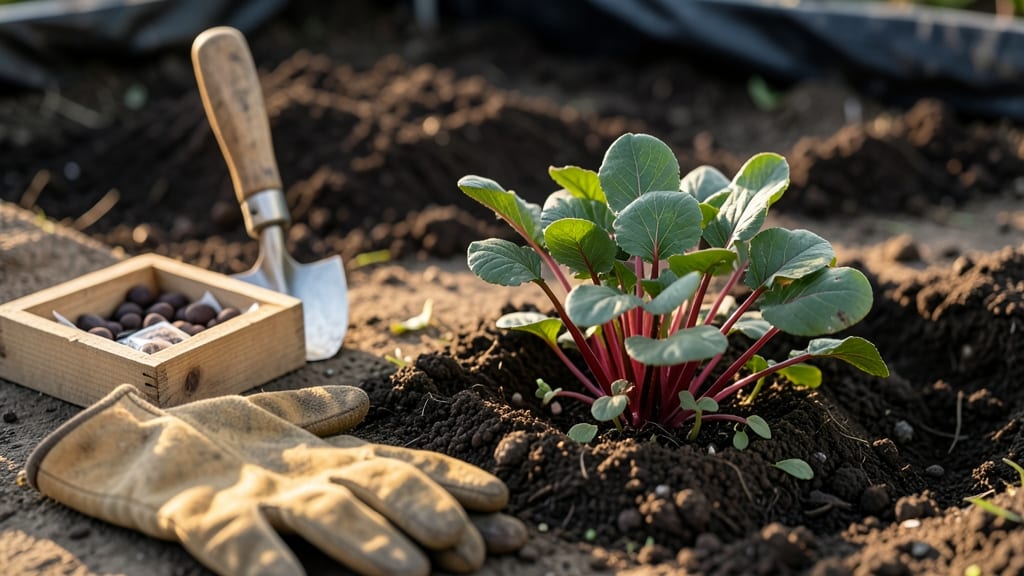
If you're wondering when to plant beets in Indiana, timing is everything—these cool-weather lovers bolt faster than a rabbit in a garden when summer heat rolls in.
Indiana’s USDA zones 5b-6b give you two prime windows: early spring and late summer, but getting it wrong means bitter roots or wasted effort.
I’ve grown beets here for years, and the key is planting 4-6 weeks before your last frost (around March-April) or 8-10 weeks before the first frost (July-August). Soil temps matter too—wait until the ground warms to 50°F to avoid slow germination. Skip the guesswork with this foolproof schedule.
You’ll also discover how to stretch your harvest season with succession planting, plus which beet varieties handle Indiana’s unpredictable springs best. Let’s get your garden ready for a bumper crop of sweet, tender 🍠 roots!
Ready to dive in? I’ll walk you through the exact steps—from soil prep to frost dates—to ensure your beets thrive all season long. No more missed opportunities!
Indiana’s best planting windows for beets: from early spring to late summer
Indiana’s cool spring and fall seasons create perfect conditions for growing beets, but timing is critical. These root vegetables thrive when soil temperatures stay between 45°F and 80°F.
Plant too early, and frost will stunt growth; too late, and they’ll bolt before you harvest. Let’s break down the ideal planting windows for Indiana’s USDA zones 5b-6b.
Most Indiana gardeners focus on two primary planting windows: early spring and late summer. The first window opens when soil warms to 50°F (typically mid-March to early April), while the second window closes by mid-August to avoid summer heat stress.
For precision, check your local last frost date—most Indiana regions experience their final frost around April 15.
Use this summary table to visualize the best months for sowing beets in Indiana, including soil temperature thresholds and estimated harvest windows.
| Planting Window | Soil Temp Threshold | Best Months | Harvest Window |
|---|---|---|---|
| Early Spring | 50°F+ | March–April | June–October |
| Late Summer | 60°F–75°F | July–August | October–November |
For spring planting, start seeds indoors 4–6 weeks before the last frost (late February) or sow directly outdoors 2 weeks before your average last frost date.
In Indiana, this usually means mid-March to early April. Use a soil thermometer to confirm temperatures—beets won’t germinate well below 50°F.
If you’re succession planting for a continuous harvest, sow new seeds every 2–3 weeks until mid-June. This ensures you have fresh beets ready to pick throughout the summer.
For fall planting, aim to sow seeds by mid-August to give them time to mature before the first frost (mid-October).
Indiana’s microclimates can vary significantly—northern regions (like Gary or South Bend) may have 2–3 weeks later frost dates than southern areas (like Evansville or Bloomington). Adjust your planting schedule accordingly by checking the Indiana State Climate Office or your local Cooperative Extension Service for precise frost data.
Pro tip: Mulch heavily after planting to maintain even soil temperatures and retain moisture. A 2–3 inch layer of straw can extend your planting window by 1–2 weeks in both spring and fall. This is especially helpful in Indiana’s unpredictable spring weather, where cold snaps can delay planting.
For urban gardeners in cities like Indianapolis or Fort Wayne, container growing is a great option. Use 5–6 inch deep pots and plant seeds ½ inch deep, thinning seedlings to 3–4 inches apart once they sprout.
Containers warm up faster than garden soil, so start these 1–2 weeks earlier than your outdoor schedule.
Remember, beets are hardy annuals that tolerate light frosts, but they’ll bolt (go to seed) if exposed to consistent temperatures above 80°F. Plan your late-summer sowings carefully—aim for varieties like ‘Cylindra’ or ‘Detroit Dark Red’, which handle heat slightly better than others.
By following these Indiana-specific planting windows, you’ll enjoy a long, productive beet harvest with minimal bolting or frost damage. Happy planting! 🌱
Cold-hardy beet varieties that thrive in Indiana's unpredictable spring
Indiana’s unpredictable spring weather can make growing beets challenging, but choosing the right cold-hardy varieties ensures success. Some types tolerate light frosts and slow soil warming, while others resist bolting when temperatures rise unexpectedly. Here’s how to pick the best varieties for your Indiana garden.
Early spring planters should prioritize fast-maturing varieties like ‘Detroit Dark Red’ or ‘Golden’, which thrive in cooler temperatures and reach harvest size in just 50-60 days. These varieties also handle Indiana’s late frosts better than heat-sensitive options, making them ideal for March-April sowings.
✅ Best for Early Spring
- Detroit Dark Red: 60-day harvest, cold-tolerant, deep red roots
- Golden: 55-day harvest, sweet flavor, yellow roots
- Touchstone Gold: 58-day harvest, heat-resistant for late spring
❌ Avoid in Spring
- Chioggia: Slow to germinate in cold soil, striped roots take longer to mature
- Boltardy: Heat-sensitive, better for fall planting
- Red Ace: Medium maturity (65 days), struggles in late frosts
For late spring plantings (May-June), opt for heat-tolerant varieties like ‘Cylindra’ or ‘Boltardy’, which resist bolting when temperatures climb above 75°F. These varieties also produce long, cylindrical roots that stay tender even in Indiana’s humid summers.
If you’re gardening in northern Indiana (Zone 5b), focus on early varieties with cold-hardy seeds. Southern Indiana gardeners (Zone 6b) can experiment with longer-season varieties like ‘Blood Turnip’ for deep red, earthy flavors.
Always check seed packet instructions for days to maturity and planting depth, as even the hardiest varieties need proper care. In Indiana’s clay-heavy soils, mixing in compost improves drainage and encourages faster germination.
For urban gardeners with limited space, consider container-friendly varieties like ‘Little Ball’—a round, compact beet perfect for pots and small raised beds. These varieties also handle temperature fluctuations better than traditional types.
Remember: Succession planting every 2-3 weeks after your last frost date (typically April 15) ensures a continuous harvest through summer and into fall. Save seeds from your best-performing varieties to create a customized garden for next year’s unpredictable Indiana spring! 🌱