
Plants
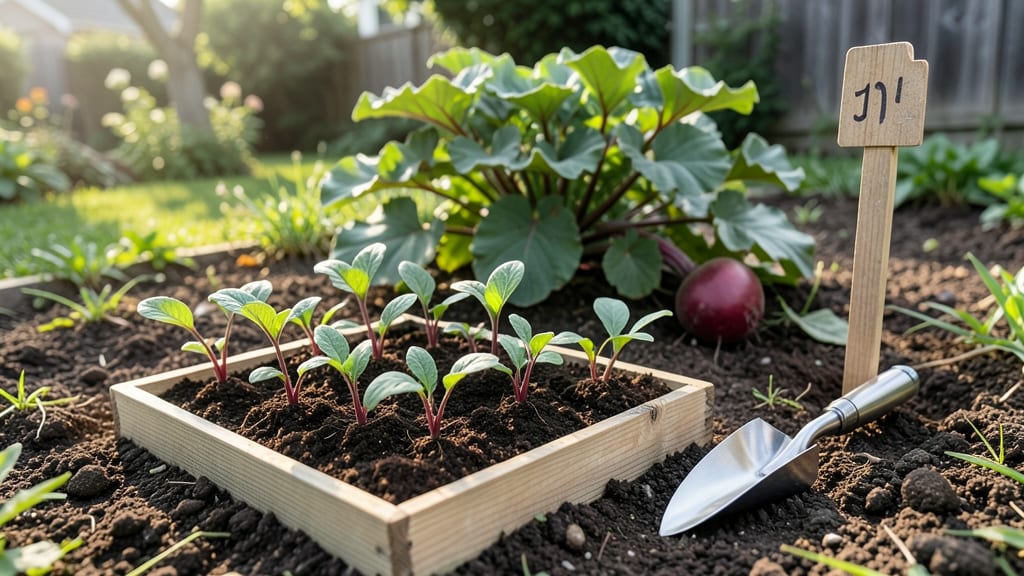
Timing your beet planting in Illinois could mean the difference between tender, sweet roots and tough, woody harvests—so knowing the exact frost-free windows is critical for success.
With USDA Zones 5-6 across most of the state, Illinois gardeners have two prime opportunities to grow 🍠 beets: early spring and late summer/fall. Skipping these windows means risking frost damage or stunted growth, especially when soil temperatures hover just above 50°F.
I’ve grown beets in Illinois for years, and the secret isn’t just planting at the right time—it’s understanding how regional frost dates (like the last spring freeze around April 15) shape your harvest.
Whether you’re in Chicago, Springfield, or St. Louis, I’ll break down the ideal planting schedule so you can enjoy crisp roots from June through November.
Ready to avoid common mistakes like planting too early or ignoring soil prep? Let’s dive into the frost-free timeline that’ll transform your beet game this season.
Illinois beet planting calendar: frost dates by region
Getting your beet seeds in the ground at the right time in Illinois means avoiding frost damage while maximizing your harvest window.
The state’s USDA Zones 5-6 create distinct planting zones—Northern Illinois (Chicago area) has later last frosts, while Southern Illinois (St. Louis) enjoys an extra 2-3 weeks of growing season.
Let’s break down the exact frost-free windows for each region so you can plan your spring and fall plantings like a pro.
Beets thrive when soil temperatures reach 45°F—warmer than many cool-season crops. In Illinois, this typically happens by mid-March in Southern Illinois but waits until late March to early April in Northern Illinois.
Waiting for these soil temperature thresholds prevents seeds from rotting in cold, wet soil—a common mistake that leads to poor germination.
To help you visualize the best planting times, I’ve created a region-specific planting calendar below. This table shows the last frost dates, ideal planting windows, and harvest timelines for three key Illinois regions: Chicago (Northern), Springfield (Central), and St. Louis (Southern).
Use this as your guide to avoid woody beets and ensure a steady supply of tender roots all season.
🌱
For Northern Illinois gardeners, the spring planting window closes earlier due to later frosts. If you miss the March 20 - April 30 window, consider succession planting every 2 weeks until May 15 to stretch your harvest.
In Southern Illinois, you can push the envelope further—planting as late as April 15 still yields a summer harvest before the heat sets in.
Fall planting is another game-changer for Illinois beet lovers. Beets are surprisingly cold-hardy and can survive light frosts. Aim to plant 6-8 weeks before your first frost (typically September 1 - October 15), and you’ll enjoy sweet, tender roots well into November.
Just be sure to mulch heavily in late fall to protect your crop from freezing temperatures.
Pro tip: Use a soil thermometer to confirm your garden soil has reached 45°F before planting. Cold soil delays germination and can lead to rotten seeds—a frustrating waste of time and money.
If your soil is still too cold, start seeds indoors under grow lights and transplant seedlings once temperatures rise.
🌡️
Don’t overlook microclimates in your area. A south-facing garden bed warms up faster than a north-facing spot, giving you an extra 1-2 weeks of planting time. Similarly, raised beds heat up quicker in spring, making them ideal for early beet plantings.
If you’re in doubt about your local frost dates, check the Old Farmer’s Almanac or your local Cooperative Extension Service for region-specific data.
Finally, remember that beet varieties play a role in timing. Quick-maturing varieties like ‘Detroit Dark Red’ (50 days) are perfect for late spring plantings, while storage varieties like ‘Golden’ (60-70 days) do better in fall plantings
How to extend your beet harvest season in Illinois
If you love fresh, homegrown beets, you don’t have to settle for a single harvest—Illinois gardeners can enjoy a spring, summer, and fall supply with the right strategies. The key is succession planting and choosing cold-hardy varieties that thrive in our variable climate.
I’ve tested these methods in my own garden, and they’ve doubled my beet harvest!
Start with early spring plantings (mid-March to early April) for a June harvest, then follow with late summer succession plantings (mid-August) for a fall feast. The trick is timing these so your beets mature before first frost (around October 15 in most of Illinois).
For extended harvests, try cold-tolerant varieties like 'Detroit Dark Red' or 'Golden', which handle light frosts better than standard types. These varieties also store well in cool root cellars, giving you fresh beets even after the ground freezes.
Another pro tip: Interplant beets with fast-growing crops like radishes or lettuce. Radishes mature in just 30 days, leaving space for beets to fill in afterward. This maximizes your garden’s productivity without overcrowding.
- 📅 Spring Planting: Sow seeds March 15–April 15 for June harvests; use row covers if late frost threatens.
- 🌡️ Fall Planting: Start seeds August 15–September 15 for October–November harvests before hard frost.
- ❄️ Cold-Hardy Varieties: Choose 'Chioggia' or 'Boltardy'—they tolerate light frosts and store well.
- 🌱 Succession Planting: Sow every 2–3 weeks in spring/fall to stagger maturity and avoid gluts.
Don’t forget about container gardening for small spaces or balconies. Beets grow well in 5-gallon pots with well-draining soil, letting you extend your season by moving containers to warmer or cooler microclimates as needed.
Finally, preserve your harvest! Roast, pickle, or freeze excess beets to enjoy their sweetness all year. My favorite method is vacuum-sealing roasted beets—they stay tender and flavorful for months.