
Plants
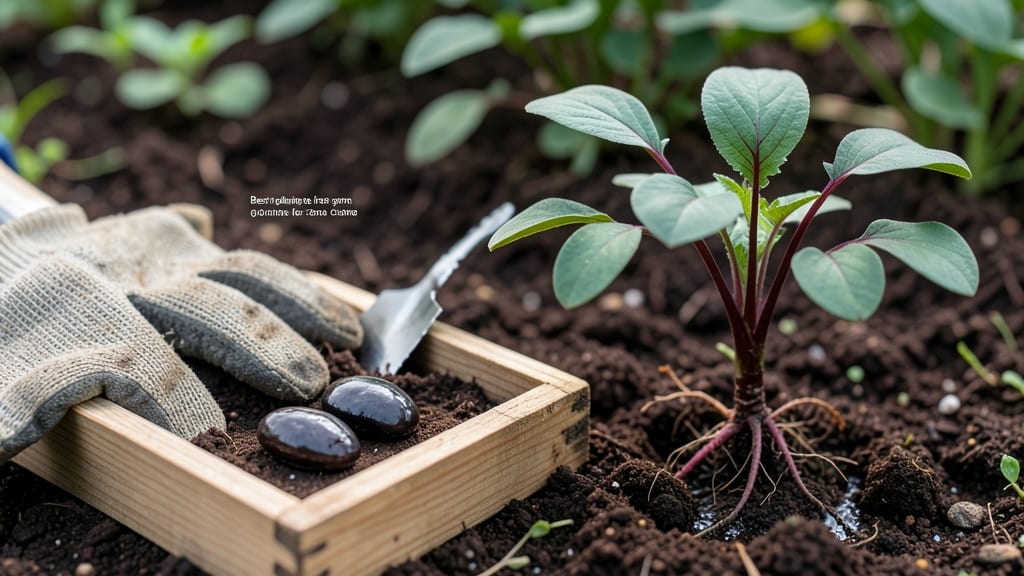
Timing your beet planting in Colorado can make the difference between a bountiful harvest and a disappointing one—especially with our dramatic elevation shifts and unpredictable weather.
Whether you're in Denver's 5b zone or Colorado Springs' 6a, knowing exactly when to plant 🍠 ensures sweet, tender roots before the first frost hits.
Most gardeners in the Centennial State swear by two ideal windows: early spring (March 15–April 15) and late summer (August 1–September 1). But here's the catch—high-altitude areas like 10,000 ft regions need to wait until after May 15 to avoid late frosts that can ruin tender seedlings.
I’ll break down the exact frost-free timeline for your elevation, so you never miss the perfect moment.
Why does this matter? Beets are fast growers (60–75 days to harvest), but they bolt (go to seed) quickly in heat. Planting too early risks frost damage, while planting too late means you’ll be harvesting in October—just before the first frost cuts your season short.
Let’s make sure your 🍠 garden thrives with the right timing and a few pro tips for Colorado’s unique climate.
You’ll also discover how to stretch your harvest through succession planting and which beet varieties handle our 120–180 frost-free days best. Ready to grow beets that outshine the grocery store? Let’s get started.
Colorado beet planting calendar by elevation zone (lowland to mountain regions)
Colorado’s elevation zones dramatically impact your beet planting schedule. At 5,000 feet (Denver), you’ll plant 4–6 weeks before last frost, while at 8,000 feet (Aspen), you’ll delay until soil warms.
The key is aligning your planting with your USDA zone and frost-free days, which range from 120 days in lowlands to 90 days in mountains. Get this wrong, and you’ll risk bolting or stunted roots.
For lowland Colorado (3,500–5,000 ft), like Fort Collins or Pueblo, start seeds indoors 4–6 weeks before last frost (early March) or direct-sow 2–3 weeks before last frost (mid-March). These areas enjoy 150–180 frost-free days, perfect for two harvests: spring and fall.
In high-altitude zones (7,000–10,000 ft), such as Telluride or Leadville, wait until mid-April to early May for soil to reach 50°F—cold soil triggers bolting.
🌱
In lowland zones, like the Arkansas Valley, you can push two full beet crops: one in spring (sow by March 15) and another in fall (sow by August 15). The Western Slope, with its earlier springs, lets you start 2 weeks earlier than Denver.
Meanwhile, high-altitude gardens should focus on short-season varieties like 'Early Wonder' or 'Detroit Dark Red', which mature in 50–60 days—critical for avoiding early frosts.
For succession planting, sow seeds every 2–3 weeks until June 15 in lowlands or July 1 in mountains. This ensures a steady harvest and prevents bolting from heat stress.
In Denver (USDA 5b), for example, plant March 15, April 1, April 15, and May 1 for continuous yields through October.
🌿
If you’re in Colorado Springs (USDA 6a), your last frost is typically April 15, giving you a 160-day growing season. Start seeds indoors March 1 or direct-sow March 15 for a May harvest.
For a fall crop, sow August 1 to harvest before October 15. Use row covers to extend your season by 2–3 weeks in both spring and fall.
In high-altitude areas, like Steamboat Springs (USDA 5a), your window shrinks to 90 frost-free days. Plant May 1–June 1 for a July–August harvest before early frosts hit. Choose cold-tolerant varieties like 'Chioggia' or 'Golden' beets, which handle cooler soils better than 'Detroit' types.
💧
Remember: Soil temperature is more critical than air temperature. Use a soil thermometer to confirm 50°F+ before planting—cold soil slows germination and encourages bolting. In mountain regions, wait until soil warms naturally or use black plastic mulch to speed up the process.
For container growing, place pots in south-facing spots and use heat mats if needed.
Finally, track your local frost dates using the Colorado State University Extension or Almanac tools.
How to adjust beet planting for Colorado’s unpredictable weather patterns
Colorado’s weather can swing from freezing nights to scorching days in a matter of weeks, making beet planting a delicate balancing act.
I’ve learned the hard way that planting too early risks frost damage, while waiting too long can trigger bolting—when beets send up flower stalks, turning bitter and tough. The key is flexibility, using strategies like row covers and succession planting to hedge against Mother Nature’s surprises.
For late frosts (common in April), I always keep cold-hardy varieties like ‘Detroit Dark Red’ on hand. These can tolerate light frosts down to 25°F, giving you a buffer if temperatures dip unexpectedly.
Plant your first batch under floating row covers or even a cloche until the threat of frost passes—usually around May 1 for most of Colorado.
Beets planted too early in hot, dry springs (like 2021’s record heat) will bolt within weeks. If your soil warms above 75°F before seedlings are established, switch to shade cloth or plant in afternoon shade until temperatures stabilize.
To extend your harvest window, I use succession planting every 2–3 weeks from late April through July. This ensures a steady supply of fresh beets, even if the first planting bolts or gets hit by hail.
For example, if your first batch goes in on April 15, follow up with another on May 1 and June 1—this staggered approach guarantees harvests through September or even October in lower elevations.
Soil temperature is just as critical as air temperature. Use a soil thermometer to confirm your soil is at least 45°F before planting—any colder, and germination slows dramatically. If your soil is still chilly in early spring, try black plastic mulch or straw bales to warm it up faster.
I’ve seen a 10°F difference in soil temperature just by using these methods!
For high-altitude gardens (above 7,000 ft), the growing season shrinks even further. In these areas, focus on fast-maturing varieties like ‘Babybeat’ (ready in 50 days) and plant your last succession no later than July 15.
Pair this with early-maturing lettuce or radishes to maximize your garden’s productivity during the short window.
Finally, don’t underestimate the power of mulching. A thick layer of straw or grass clippings keeps soil moisture consistent, protects roots from temperature swings, and even suppresses weeds.
I mulch my beet beds as soon as seedlings emerge, and it’s made the difference between a thriving crop and one that struggles through Colorado’s erratic weather.