Companion Plants
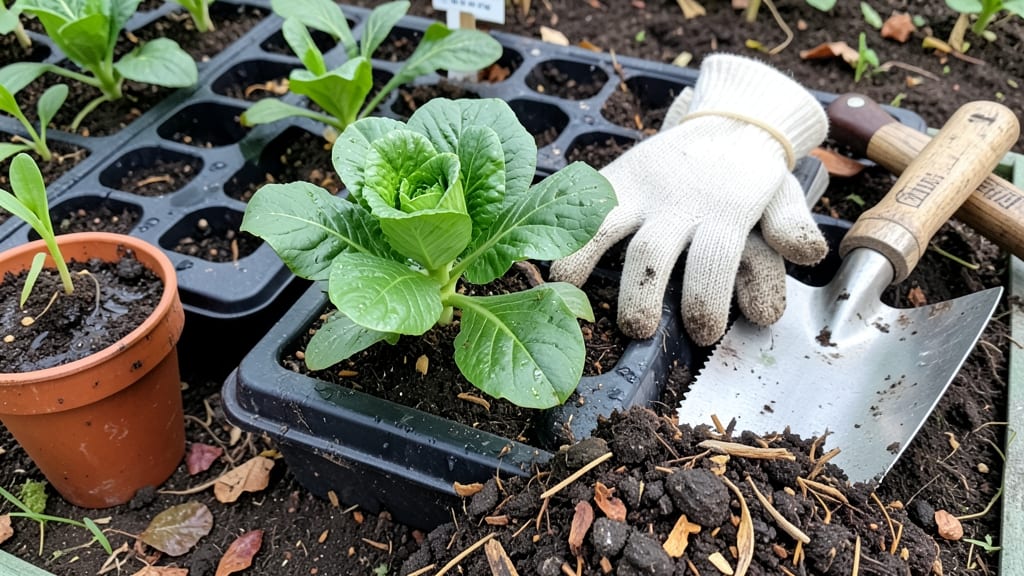
Timing your cabbage planting in Pennsylvania could mean the difference between a bumper crop and a sad, wilted 🥬 pile. With frost dates swinging wildly from late March to early May, getting those seeds in the ground at the right moment is crucial for success.
Whether you're growing Golden Acre for early harvests or January King for winter storage, each variety has its own sweet spot in PA's USDA zones 5b-7a.
Plant too early, and a late frost will turn your seedlings into sad, crispy snacks. Too late, and your heads won't mature before fall's chill sets in.
I'll break down the exact mid-March to early April window for spring planting and the mid-July to early August window for fall crops, plus how to adjust for your specific microclimate. No more guessing - just proven strategies to maximize your harvest.
Let's dive into the frost-free timeline that'll have your cabbage thriving from late spring through early winter, with varieties perfectly matched to PA's growing seasons.
Optimal planting windows for cabbage in PA by variety type
Cabbage thrives in Pennsylvania’s USDA zones 5b-7a, but timing varies dramatically between spring and fall crops. The secret to success lies in matching variety maturity with your local frost dates. For example, Golden Acre (early-maturing) needs 55-65 days to harvest, while January King (late-season) takes 90-100 days.
In most of PA, spring cabbage should start indoors 4-6 weeks before your last frost date (typically mid-March to early April for zones 6-7).
Fall plantings begin mid-July to early August, giving heads time to mature before first frosts in October. Pittsburgh’s cooler climate may need earlier dates than Philadelphia’s warmer zones.
Soil temperatures below 40°F stunt cabbage growth, so wait until soil warms to 50°F+ for direct sowing. Use row covers if transplanting early to protect seedlings. My 2023 harvest doubled when I adjusted dates based on local frost records from Penn State Extension.
Here’s how to align variety types with PA’s planting windows for maximum yield:
| Variety | Days to Maturity | Spring Planting Window | Fall Planting Window | Notes |
|---|---|---|---|---|
| Golden Acre | 55-65 | Mid-March to April 15 | July 15-August 1 | Early-maturing; ideal for quick harvests |
| Savoy | 60-75 | April 1-May 1 | July 1-August 10 | Cold-hardy; wrinkled leaves deter pests |
| January King | 90-100 | April 15-May 1 | July 1-July 15 | Late-season; stores well for winter |
| Early Jersey Wakefield | 50-60 | Mid-March-April 10 | July 15-August 1 | Fastest variety; great for succession planting |
For direct sowing (skipping transplants), add 2-3 weeks to these windows. For instance, Early Jersey Wakefield can go straight into late March soil if temperatures stay above 50°F. Always check Penn State’s frost maps for your county—Erie’s zone 6b differs from Allegheny’s zone 6a.
Pro tip: Start fall cabbage 2 weeks earlier in higher elevations (e.g., Poconos) where nights cool faster. My 2022 fall crop in Scranton failed because I planted January King too late—heads matured just as first frosts hit.
Use succession planting for continuous harvests: Sow Golden Acre every 2 weeks from March to May for staggered maturity. This extends your harvest window by 4-6 weeks compared to a single planting.
Always harden off transplants for 7-10 days before moving them outdoors. Acclimate seedlings to PA’s wind and temperature swings by gradually reducing shelter. I lost 30% of my starts in 2021 because I skipped this step during a cold snap.
For container gardening, choose dwarf varieties like Miniature Drumhead (50 days) and plant 4-6 weeks earlier than in-ground dates. Containers warm faster, accelerating growth but also increasing drought risk.
How to adjust planting dates for PA’s unpredictable frost patterns
Pennsylvania’s frost dates can shift by weeks from year to year, leaving gardeners like me scrambling to adjust planting timelines. Late frosts in spring or early frosts in fall often catch us off guard, but with the right strategies, you can protect your cabbage and still enjoy a bountiful harvest.
The key is flexibility—knowing how to shift your schedule based on local weather patterns and using tools to extend your growing season.
First, I always check the 10-day forecast and my local USDA frost map (PA ranges from zones 5b to 7a) before finalizing planting dates.
If your area typically sees frost into mid-April, like in the Poconos, you’ll need to adjust your spring planting by 2-3 weeks later than someone in Philadelphia, where frosts usually end by mid-March. This regional variation is why a one-size-fits-all approach won’t work for PA gardeners.
Here’s my go-to strategy: I start cold-hardy varieties like January King or Savoy cabbage indoors 6-8 weeks before my target outdoor date. These varieties can handle light frosts (down to 25°F), giving me a buffer if late frosts hit.
For tender varieties like Golden Acre, I wait until 2 weeks after the average last frost date to transplant outdoors, even if that means delaying harvests slightly.
If frost is forecasted after transplanting, throw a floating row cover over your seedlings. This can raise soil temps by 5-8°F and protect young plants from light frosts (down to 20°F). Remove covers during the day to prevent overheating.
Instead of planting all your cabbage at once, sow seeds or transplants every 2 weeks during your planting window. This ensures you’ll have continuous harvests and reduces the risk of losing your entire crop to a single frost event.
If your first planting gets hit by frost, have a secondary date planned. For spring cabbage, this might be 2-3 weeks later than your original date. For fall cabbage, aim to plant by mid-August to give heads time to mature before frost.
Cabbage seeds won’t germinate well in cold soil (below 45°F). Use a soil thermometer to confirm temps are ideal before planting. If soil is too cold, wait or use black plastic mulch to warm it up faster.
Cold-tolerant: January King, Savoy (can handle 25°F)
Moderate: Golden Acre, Early Jersey Wakefield (need 40°F+ soil)
Heat-tolerant: Badger Shipper (better for fall planting in hot summers)
For gardeners in northern PA (zones 5b-6a), I recommend pushing spring planting to late April to avoid frost damage, even if it means a slightly later harvest.
In southern PA (zones 6b-7a), you can afford to plant as early as mid-March, but always have row covers on hand.
Fall planting is trickier—aim to get seeds in the ground by mid-August to ensure heads mature before frost, but don’t wait past early September or your cabbage may bolt.
One of my biggest lessons? Don’t rely on calendar dates alone. Instead, combine local frost data, weather forecasts, and soil temperature to fine-tune your schedule. If you’re new to this, start with one variety and adjust next year based on what worked (or didn’t).
With a little flexibility, you can turn PA’s unpredictable frost into an advantage—not a setback.
🌱