
Plants
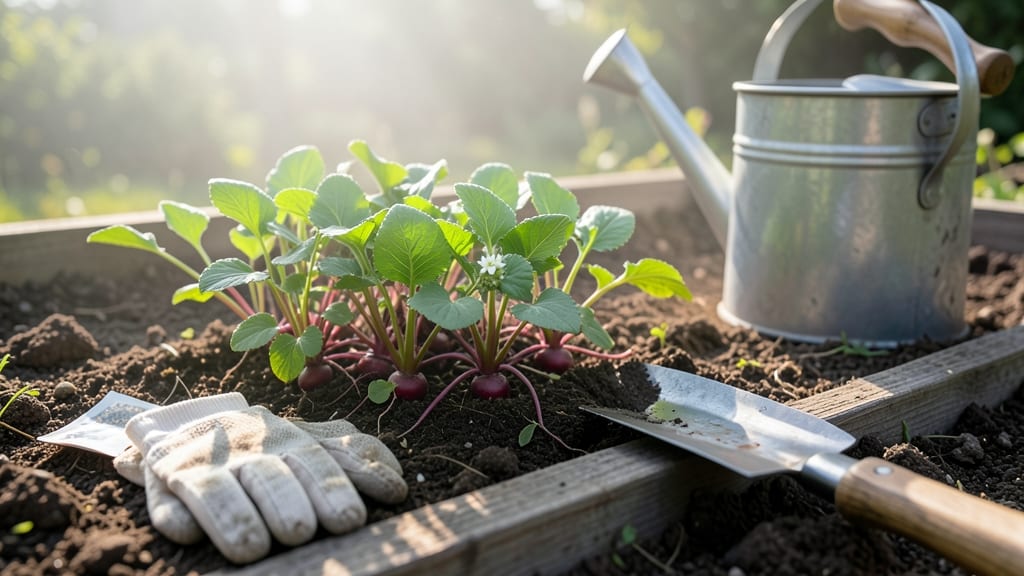
Timing your beet 🍠 planting in Arizona isn’t just about the calendar—it’s about dodging the desert’s two biggest enemies: blistering heat and sudden monsoons. Skip the wrong window, and you’ll either watch your seeds bolt into bitter greens or struggle with wilted roots before they’re ready to harvest.
Here’s the secret: Arizona’s 9b climate gives you a narrow but perfect planting sweet spot between October and March, when daytime temps stay cool enough for steady germination. Plant too early, and you’ll face heat stress; too late, and your beets might not mature before the summer sun returns.
What makes this even trickier? Microclimates like Phoenix’s low desert and Flagstaff’s high desert behave differently. In Phoenix, you’ve got just 45 days to go from seed to harvest before the heat kicks in, while Flagstaff’s cooler nights give you a little more breathing room.
I’ll show you exactly how to nail the timing—plus soil prep tricks and heat-mitigation hacks—to grow fast, tender beets that actually make it to your table. Let’s get started.
Best planting windows for Arizona beets: avoid bolting and heat stress
Arizona’s two distinct climates—low desert (Phoenix) and high desert (Flagstaff)—dictate different beet planting strategies. In low desert areas, where temperatures soar above 100°F in summer, beets thrive only in cool-season windows.
Meanwhile, high desert regions like Flagstaff enjoy slightly cooler temps, allowing for a 2-3 week extension in both spring and fall.
For Phoenix and Tucson, aim to plant beets between mid-October and mid-March. This window ensures soil temperatures stay between 45°F and 75°F, ideal for germination and root development.
In Flagstaff and Prescott, you can push planting to late September for fall crops and early April for spring plantings.
Soil temperature is your most critical factor. Beets germinate best when soil is 50°F or warmer but won’t tolerate prolonged exposure to 80°F+.
Use a soil thermometer to monitor conditions—if temps rise above 75°F for more than a week, your beets will bolt prematurely or develop woody roots.
Here’s how to extend your beet season in Arizona’s extremes:
| Region | Optimal Planting Window | Soil Temp Threshold | Risk Factor | Solution |
|---|---|---|---|---|
| Low Desert (Phoenix/Tucson) | Mid-October – Mid-March | 45°F – 75°F | Bolting in heat | Use shade cloth (30-50%) in late winter |
| High Desert (Flagstaff/Prescott) | Late September – Early April | 40°F – 70°F | Frost damage | Mulch with straw or leaves for insulation |
| Both Regions | April (with caution) | 50°F+ (evenings) | Slow germination | Soak seeds 24 hours before planting |
In low desert areas, beets planted in late winter (February-March) face the highest risk of bolting as temperatures climb. To mitigate this, use lightweight shade cloth to reduce soil temps by 10-15°F.
For high desert regions, focus on frost protection—cover young seedlings with row covers if frost is forecasted after planting.
Another pro tip: Succession planting every 2-3 weeks from October to February ensures a continuous harvest. Start with a small batch in October, then repeat in November, December, and January. This staggered approach prevents overcrowding and maximizes your garden space.
If you’re in a transition zone (e.g., Sedona or the White Mountains), test your soil’s moisture retention before planting. Sandy soils dry out 3x faster than clay, so amend with compost or coconut coir to improve water retention. Clay soils, meanwhile, may need gypsum or perlite to prevent compaction.
Remember: Arizona’s microclimates can vary by just a few miles. Check your local weather station for 10-day forecasts before planting. If highs are predicted to exceed 85°F for more than 3 consecutive days, delay planting until cooler conditions return.
For container gardening in urban areas like Phoenix, use 5-gallon pots with fast-draining mix (60% potting soil, 30% perlite, 10% compost). Place pots in partial shade during peak afternoon sun (1 PM – 4 PM) to protect tender seedlings from heat stress.
Finally, harvest timing is just as critical as planting. Beets ready to harvest in 45-70 days, but in Arizona’s long growing season, you’ll likely have multiple harvests. Pull beets when roots are 1-3 inches wide—waiting too long results in tough, fibrous roots.
Best planting windows for Arizona beets: avoid bolting and heat stress
Arizona’s 9b climate demands precision when planting beets—aim for October through March to avoid the 100°F+ heat that triggers bolting. The ideal soil temperature range is 45–75°F, which aligns with Arizona’s cooler months.
Planting too early (September) risks heat stress, while waiting until April shortens your harvest window before summer arrives.
Your microclimate plays a huge role: Phoenix’s low desert (like USDA Zone 10a) can handle late-March plantings, but Flagstaff’s high desert (Zone 7b) benefits from starting as early as September.
Always check your local last frost date—Phoenix rarely sees frost, while Flagstaff may experience light frosts by mid-December.
🌱Pro Tip: Use a soil thermometer to confirm temps before planting. If soil is above 75°F, wait or use shade cloth to cool it down.
🌡️ Arizona Beet Planting Windows by Microclimate
| Microclimate | Best Planting Window | Soil Temp Threshold | Heat Mitigation |
|---|---|---|---|
| Low Desert (Phoenix) | Oct 15–Mar 15 | 45–70°F | Shade cloth 30% |
| High Desert (Flagstaff) | Sep 1–Apr 1 | 40–65°F | Row covers for frost |
| Transition Zones (Tucson) | Oct 1–Mar 31 | 50–75°F | Drip irrigation |
🌱 Note: Adjust windows 2–3 weeks earlier at higher elevations.
To extend your season, try successive plantings every 2–3 weeks from October to February. This ensures a steady harvest before summer heat sets in. For example, plant a batch in mid-October for early December harvests, then follow up in November for spring beets.
If you’re pushing the limits (like planting in April), use shade cloth or row covers to keep soil temps below 80°F. Without protection, beets bolt within 10–14 days of exposure to 90°F+ temps.
I’ve seen gardeners in Yuma use black plastic mulch to warm soil in early spring—just remove it once seeds sprout!
💧Key Takeaway: Monitor your garden’s microclimate daily. A 5°F difference between your backyard and a neighbor’s can mean the difference between success and failure. Use a weather app to track soil temps and adjust planting dates accordingly.