
Companion Plants
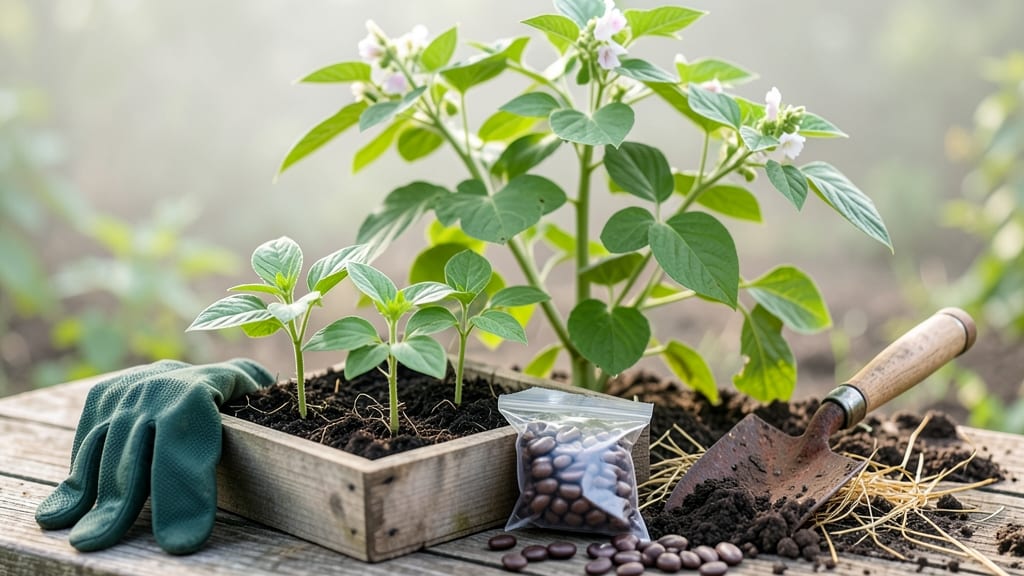
Timing your beans 🌱 planting in Pennsylvania can mean the difference between a bumper crop and a sad little patch of stunted plants.
With frost dates that vary wildly from Pittsburgh to Philadelphia, knowing exactly when to plant—whether you're growing bush beans, pole beans, or lima beans—is the key to success.
Most gardeners in PA's 5b-7a zones wait until after the last frost date (typically around April 15), but there's more to it than just checking a calendar.
Soil temperature matters just as much—beans need that ground to warm up to at least 60°F before you even think about dropping seeds in.
Here's what you'll discover: The best planting windows for spring beans, how to time a fall planting for late-season harvests, and which varieties thrive in PA's short growing season. Plus, I'll share my top tips for avoiding common mistakes that even experienced gardeners make.
Whether you're a first-time bean grower or a seasoned pro looking to maximize your yield, this guide will help you plant with confidence—so you can enjoy fresh, homegrown beans from June through October.
Pennsylvania’s bean planting zones: frost-free dates by region
Pennsylvania’s diverse climate means last frost dates can vary by 10-14 days from one corner to another. In the Poconos Mountains (USDA Zone 5b), you might still see frost as late as May 15, while Philadelphia (Zone 7a) typically warms up by April 15.
Understanding these microclimates is key to planting bush beans, pole beans, and lima beans at the perfect time for maximum yield.
For spring planting, aim to sow seeds 2-3 weeks after your region’s average last frost date. This gives young plants time to establish roots before summer heat arrives.
In southern PA (Zones 6b-7a), this often means mid-April to early May, while northern PA (Zones 4b-5b) may need to wait until late May. Always check soil temperatures—beans thrive when soil reaches 60°F+.
Fall planting is another strategy for a second harvest. In central PA, you can sow seeds as late as August 15, giving them 60-70 days to mature before the first frost. In northern regions, stick to early August plantings. Lima beans, being more sensitive to cold, should only be planted in late spring or not at all in cooler zones.
If you’re in a transition zone (like central PA), consider using row covers to extend your spring planting window by 2-3 weeks. These lightweight fabrics protect young plants from late frosts while allowing sunlight and water to penetrate.
For pole beans, which take longer to mature, start seeds indoors 4-6 weeks before your last frost date for an earlier harvest.
Urban gardeners in Philadelphia or Pittsburgh often face heat islands—areas that warm up faster than rural zones. If your garden is surrounded by pavement or buildings, you might plant 1-2 weeks earlier than the average date, as soil warms up quicker.
Always monitor soil temperature with a thermometer to confirm readiness—60°F+ is non-negotiable for bean seeds.
For lima beans, which are more sensitive to cold, stick to late spring plantings (after May 15) in most of PA. These varieties need a longer growing season, so avoid planting them in northern zones (5b and below) unless you’re using black plastic mulch to warm the soil.
In southern PA, you can experiment with early varieties like
Best bean varieties for Pennsylvania’s short vs. long seasons
Pennsylvania’s diverse climate—from the cooler Poconos to the hotter Poconos—means you’ll need the right bean varieties for your growing season length. Fast-maturing varieties thrive in short seasons, while heat-tolerant types excel in southern PA’s longer summers. Let’s break down the best choices for your region.
For short-season areas (like the Poconos or Erie), opt for bush beans like ‘Blue Lake Bush’ (55 days) or ‘Contender’ (50 days). These mature quickly and produce heavy yields before frost.
In longer seasons (e.g., Philadelphia or Pittsburgh), pole beans like ‘Kentucky Wonder’ (70 days) or ‘Rattlesnake’ (80 days) stretch your harvest into late summer.
Lima beans are another great option, especially ‘Fordhook’ (75 days) for southern PA or ‘Henderson’ (60 days) for cooler zones. These varieties handle heat stress better than snap beans and are perfect for drying or canning. Always check seed packets for days to maturity—this tells you if a variety fits your frost-free window.
Disease resistance is key in PA’s humid summers. Look for varieties labeled “rust-resistant” or “bacterial blight-resistant”, like ‘Tendergreen’ (bush) or ‘Blue Lake Pole’. These hold up better to fungal pressures common in the state. Pairing resistant varieties with crop rotation (never planting beans in the same spot yearly) further protects your yield.
| Variety | Type | Days to Maturity | Best For | Notes |
|---|---|---|---|---|
| Blue Lake Bush | Bush | 55 | Short seasons | High yield, great for canning |
| Kentucky Wonder | Pole | 70 | Long seasons | Disease-resistant, tall vines |
| Fordhook Lima | Lima | 75 | Southern PA | Heat-tolerant, great for drying |
| Contender | Bush | 50 | Cooler zones | Early harvest, compact |
| Rattlesnake | Pole | 80 | Long harvests | Tolerates heat, long vines |
To extend your harvest window, try succession planting: sow bush beans every 2 weeks from late May through early July. This ensures a steady supply of fresh pods.
For pole beans, plant 1-2 varieties with different maturity dates—like ‘Kentucky Wonder’ (70 days) and ‘Blue Lake Pole’ (65 days)—to stagger yields.
If your season feels too short, consider container gardening for pole beans. Use 5-gallon buckets with trellises to grow ‘Scarlet Runner’ (75 days) on patios or balconies. This works well in urban areas like Philadelphia or Pittsburgh, where space is limited but sun exposure is high.
Pro tip: Save seeds from your best-performing varieties to adapt to local conditions. Over time, you’ll develop homegrown strains that thrive in your specific microclimate, whether that’s a sunny city lot or a shady rural garden. 🌱