
Plants
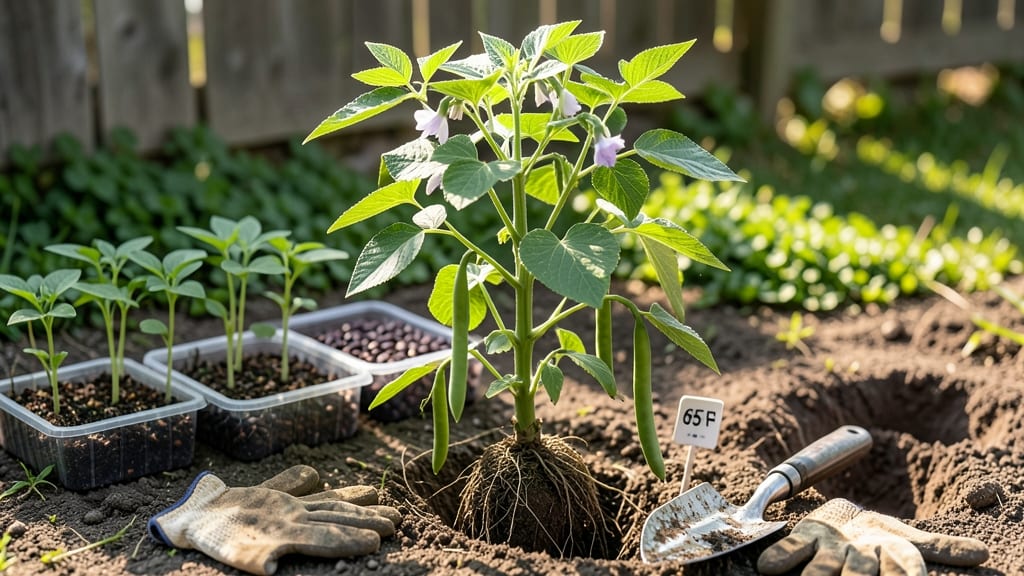
Timing your bean planting in New Jersey can mean the difference between a bountiful harvest and wasted effort—especially when the last frost typically hits around April 15.
But here's the good news: with the right varieties and a few soil tricks, you can push those planting windows earlier and enjoy fresh beans from July through September.
I've spent years growing beans in USDA zones 6a-7a, and the key is understanding how to work with your local climate. Whether you're planting bush beans for quick harvests or pole beans for a longer season, getting the timing right ensures healthy plants and plenty of pods.
Let me show you exactly when to start seeds indoors, when to direct-sow, and how to extend your growing season.
Most gardeners in New Jersey wait until after the last frost to plant beans, but that doesn't mean you have to miss out on early harvests.
By using black plastic mulch or row covers, you can warm the soil faster and start planting as early as mid-April for cold-hardy varieties like wax beans. This simple trick can give you a jumpstart on the growing season and more time to enjoy homegrown beans.
Ready to maximize your bean harvest? I'll walk you through the best planting times for each variety, soil prep tips, and how to avoid common mistakes that can ruin your crop. Let's get those beans growing!
Best planting times for beans in New Jersey by variety type
New Jersey’s USDA Zones 6a-7a mean you can grow beans successfully, but timing varies by variety type and microclimate. Northern NJ (like Bergen County) has a shorter growing season than southern NJ (like Cape May), so adjust planting dates accordingly.
For most gardeners, the last frost date is around April 15, but soil warmth matters more than air temperature for beans.
Beans thrive when soil reaches 60°F—use a soil thermometer to check. In northern NJ, wait until May 1 for safety, while southern NJ gardeners can start as early as April 20.
Cold-hardy varieties like Wax Beans or Tendergreen can tolerate slightly cooler soils (55°F), but most varieties need warmer conditions.
Here’s how to align planting with NJ’s frost-free window (about 165 days):
| Variety Type | Best Planting Window | Days to Maturity | Notes for NJ Gardeners |
|---|---|---|---|
| Bush Beans (e.g., Blue Lake) | April 20–May 15 | 50–60 days | Compact; great for small gardens. Plant in succession every 2 weeks for continuous harvest. |
| Pole Beans (e.g., Kentucky Wonder) | May 1–June 1 | 60–70 days | Vining; needs trellis. Start later to avoid early blight from cool, wet springs. |
| Cold-Hardy Varieties (e.g., Tendergreen) | April 1–April 15 (with row covers) | 45–55 days | Tolerates 50°F soil. Ideal for early spring or fall plantings. |
| Fall Planting (e.g., Black Valentine) | August 1–September 1 | 50–60 days | Aim for harvest before first frost (Oct 15). Use black plastic mulch to extend season. |
For pole beans, start seeds indoors 4–6 weeks before your last frost date if you’re eager to get a head start.
Transplant seedlings outdoors after soil warms, but avoid overcrowding—space them 4–6 inches apart in rows 18–24 inches apart. Bush beans, on the other hand, can be direct-sown after danger of frost passes and soil is workable.
Don’t overlook fall planting! In NJ, you can squeeze in a second crop of beans by sowing seeds in late July or early August. Choose short-day varieties like Black Valentine or Contender, which mature quickly.
Use row covers or cold frames to protect plants from early autumn chills and extend your harvest window.
Pro tip: Succession planting every 2 weeks ensures a steady supply of beans. For example, if you plant Blue Lake bush beans on April 20, follow up with another batch on May 5 and May 20 to stagger harvests through July and August.
This method works especially well in southern NJ, where the growing season is longer.
If you’re in northern NJ, focus on early-maturing varieties (like Provider or Blue Lake) and prioritize soil warmth over air temperature.
Test your soil’s readiness by pressing your finger into the ground—if it feels warm to the touch, it’s likely 60°F or higher, and beans are ready to go in.
For pole beans, which take longer to mature, wait until mid-May to plant. This gives them enough time to establish roots and produce pods before summer heat peaks.
Pair them with fast-growing bush beans for a two-tiered harvest system: enjoy bush beans in July and pole beans in August and September.
Remember, NJ’s humidity can lead to fungal issues like rust or powdery mildew, so avoid planting beans in low-lying or poorly draining areas. Elevate beds with compost or sand if your soil is heavy clay,
How to warm up NJ soil for early bean planting without waiting for perfect weather
Waiting for soil to warm up to 60°F can delay your bean harvest, but New Jersey gardeners can trick nature with simple soil-warming hacks.
By using black plastic mulch or row covers, you can plant beans 2-4 weeks earlier than traditional schedules—extending your growing season and beating the heat later in summer.
Start by testing your soil’s temperature with a soil thermometer—beans need consistent warmth to germinate. If it’s still chilly, try these proven methods to create the perfect microclimate for your seeds without waiting for Mother Nature.
🌱 Quick Soil-Warming Solutions for NJ Beans
- Black Plastic Mulch: Lay down 1-2 weeks before planting to absorb heat. Cut holes for seeds or plant after warming.
- Row Covers: Use lightweight fabric to trap warmth. Remove during pollination to avoid trapping humidity.
- Raised Beds: Fill with compost-rich soil to warm faster. Add straw mulch to retain heat overnight.
- Companion Planting: Surround beans with corn or sunflowers to create windbreaks and extra warmth.
- Cold-Frame Trick: Build a mini greenhouse over seed beds for 10-14 days before transplanting.
For pole beans, which need extra warmth, combine black plastic mulch with a south-facing location to maximize sun exposure. Even in cooler NJ zones like Zone 6a, this combo can push planting dates back to early April.
Monitor soil moisture closely when using mulch—beans need consistent moisture but hate soggy roots. Water deeply in the morning to avoid fungal risks from trapped humidity under covers.
Pro tip: Plant Wax Beans or Tendergreen varieties first—they tolerate cooler soils better than traditional green beans. These cold-hardy types give you a head start before switching to heat-loving varieties like Kentucky Wonder.
With these tricks, you’ll enjoy fresh beans by July instead of August, and avoid the humid NJ summers that stress plants. Just remember: remove row covers during flowering to attract pollinators!