
Plants
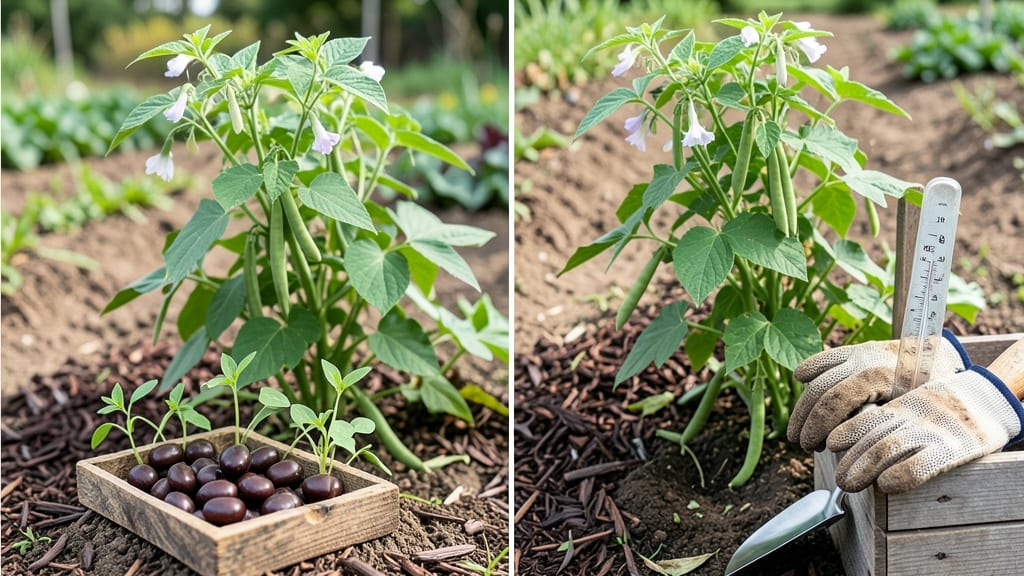
Timing your bean planting in Minnesota wrong could mean waiting weeks for those 🌱 seeds to sprout—or worse, watching them rot in cold soil.
The key to fast, reliable germination lies in understanding when soil temperatures hit that sweet spot between 50°F and 60°F, not just waiting for the calendar to say "May."
Most Minnesota gardeners know to wait until after the last frost, but that’s only half the battle. In USDA zones 4a-5b, where frost can linger well into May, planting too early means struggling with slow starts or failed crops.
The real secret? Monitoring soil warmth and choosing varieties that thrive in cooler conditions—like Blue Lake Bush or Provider—to shave critical days off your growing season.
Whether you're in the Twin Cities or northern Minnesota, the right window is late April to mid-May, but soil tests and local frost data can shift that by weeks.
I’ll show you exactly how to time it right, plus cold-soil hacks to get your beans popping faster than ever—so you’re harvesting by July instead of August.
Ready to turn your bean patch from a gamble into a guaranteed harvest? Let’s dive into the exact steps, from soil prep to variety picks, so you can skip the guesswork and start reaping rewards weeks ahead of schedule.
Optimal planting windows for Minnesota beans: soil temps and frost dates
Timing is everything when planting beans in Minnesota, where USDA Zones 4-5 and chilly springs demand precision. The key is waiting until both the soil temperature and air temperature cooperate—typically after your last frost date, which varies by region.
In the Twin Cities, this usually falls between May 10-20, while northern Minnesota (like Duluth) may wait until late May or early June.
Beans need soil temperatures of at least 50°F to germinate reliably, but 60°F+ speeds up sprouting dramatically. Cold, wet soil can leave your seeds sitting dormant for weeks—or worse, rot. Use a soil thermometer to check depth (1-2 inches down) before planting.
If your soil is still below 50°F in May, don’t panic—we’ll cover cold-soil hacks in the next section to give your beans a head start.
For bush beans (like 'Blue Lake'), aim to plant 1-2 weeks after your last frost date, while pole beans (like 'Kentucky Wonder') can tolerate slightly cooler soils and may germinate a few days later.
Both types thrive with 60-70 frost-free days, so plan accordingly if you’re in northern Minnesota where summers are shorter.
Pro tip: If you’re eager to start early, sow seeds indoors 2-3 weeks before your last frost date. Use biodegradable pots and transplant seedlings once soil warms up. Just be prepared to protect young plants with row covers if late frosts sneak in.
🌱 Minnesota Bean Planting Timeline
| Region | Last Frost Date | Ideal Planting Window | Soil Temp Threshold | Notes |
|---|---|---|---|---|
| Southern MN (Rochester, Mankato) | Mid-April | Late April - Early May | 50°F+ | Longer growing season; can try early plantings with row covers. |
| Twin Cities (Minneapolis, St. Paul) | Mid-May | May 15 - June 1 | 55°F+ | Wait for consistent warmth; use black plastic mulch for cold soils. |
| Northern MN (Duluth, Brainerd) | Late May | Late May - Early June | 60°F+ | Shorter season; choose fast-maturing varieties like 'Provider'. |
| All Regions (Fall Planting) | Mid-September | Late July - Early August | 50°F+ | Plant dwarf varieties 80-90 days before first frost for a fall harvest. |
⏰ Remember: Beans hate cold feet—always wait for soil to warm up!
If you’re unsure about your last frost date, check the MN State Climatology Office or use the Almanac’s Frost Calculator. For container gardening, soil warms up faster, so you might plant 1-2 weeks earlier than in-ground.
Just ensure your pots are in a sunny, sheltered spot to protect roots from temperature swings.
One common mistake is planting too early and watching seeds rot in cold soil. To avoid this, test your soil’s readiness by pressing your finger into the ground—if it feels like butter (not mud), it’s likely warm enough.
For extra insurance, plant seeds deeper (1-2 inches) in cold soil; they’ll sprout from lower, warmer layers.
For extended harvests, consider succession planting every 2 weeks after your initial planting. This ensures a steady supply of fresh beans from July through September.
Just mark your calendar for first frost warnings—beans won’t survive light frosts, so plan your last planting 80 days before the average frost date.
Finally, keep an eye on your local weather forecasts in the days leading up to planting. A heatwave in May can push your last frost date earlier, while a late snowstorm might delay it. Flexibility is key in Minnesota gardening!
Cold-soil hacks to speed up bean germination in Minnesota’s chilly climate
Minnesota’s cool springs can leave your bean seeds waiting weeks for warm soil—unless you use these proven cold-soil tricks. The key is creating microclimates that mimic summer warmth while protecting tender seedlings from late frosts.
I’ve tested these methods in Zone 4b gardens and seen germination improve by 3-5 days compared to unprotected plantings.
First, focus on soil temperature, which must reach at least 50°F (10°C) for reliable germination. Use a soil thermometer (just $10 at garden centers) to check depths of 2-3 inches—this is where seeds actually warm up.
If your soil is still below 50°F in May, don’t panic: these hacks will bridge the gap until nature catches up.
🌱 5 Fast Germination Hacks for Cold Minnesota Soils
- 1. Black Plastic Mulch: Lay down 1-2 weeks before planting to raise soil temps by 5-10°F. Cut X’s in the plastic and plant seeds directly through the slits.
- 2. Raised Beds: Fill with 50% compost—this warms up 2-3°F faster than in-ground soil. Add a clear plastic dome (like a milk jug with the bottom cut off) for extra heat.
- 3. Fast-Germinating Varieties: Choose 'Blue Lake Bush' (50 days) or 'Provider' (55 days)—both sprout in 5-7 days at 50°F, vs. 10+ days for slower types.
- 4. Shallow Planting: In cold soil, plant seeds only 1 inch deep (vs. 1.5 inches in warm soil). The topsoil warms faster and speeds germination.
- 5. Seed Soaking: Soak seeds in warm water (80°F) for 4 hours before planting. This jump-starts metabolism and reduces cold-stress delays.
For pole beans, which need extra warmth, combine two tricks: use black plastic mulch AND plant near a south-facing fence or trellis. The dark surface absorbs heat during the day, while the structure traps warmth at night.
I’ve had 'Kentucky Wonder' pole beans germinate in just 6 days using this combo in Zone 4a.
Watch for overheating risks with plastic mulch—if temps hit 90°F+, remove it temporarily to prevent seed rot. Also, avoid planting too early: even with mulch, seeds won’t germinate below 45°F. My rule of thumb? If your morning lows are still dipping below 40°F, wait another week.
Pro tip: Mark your last frost date on your calendar (usually May 15 in southern MN, June 1 in the north), then plant 10-14 days after—this gives soil time to warm while still avoiding late frosts.
For a second harvest, try succession planting every 2 weeks through June 20.
Remember: patience pays off. Cold-soil conditions might delay germination, but once your beans break through, they’ll grow faster than in warmer climates thanks to Minnesota’s long daylight hours. Start small—test one row with mulch this year and expand next season!