
Plants
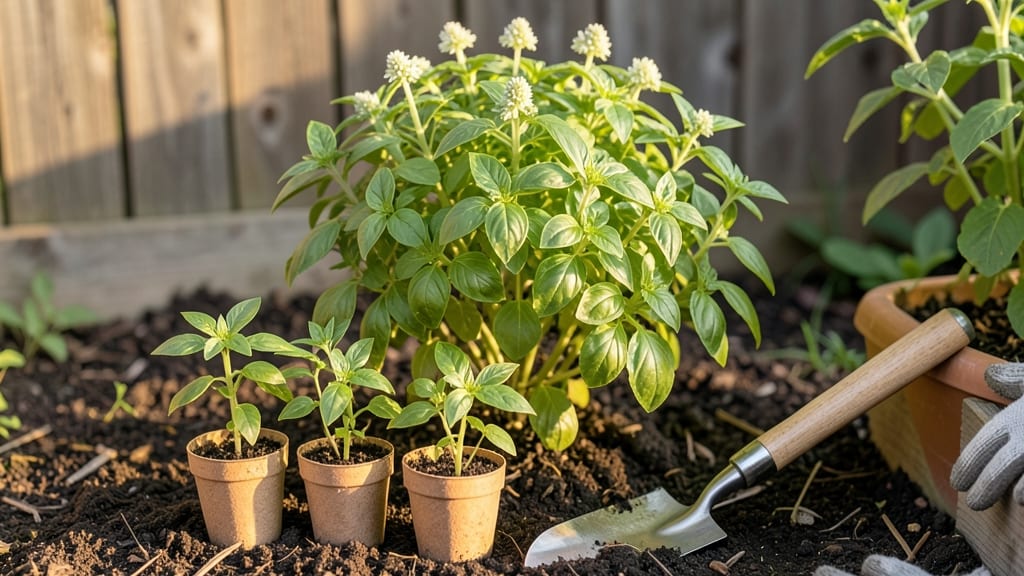
Timing your basil planting in Seattle just right can mean the difference between a thriving herb garden and a sad, frost-bitten disappointment. With Seattle’s famously unpredictable weather—think chilly mornings one day and unexpected heatwaves the next—getting the window wrong could send your 🌿 basil into early retirement.
Most gardeners in USDA Zone 8a wait until mid-April to early June, but that’s just the starting point.
The real secret lies in watching for soil temperatures (aim for at least 50°F) and keeping an eye on those late frosts that can sneak in even after the official last-frost date.
If you’re in a sheltered urban pocket, you might get a jumpstart, while rural areas could need to wait a little longer.
Container gardening? Absolutely doable—it actually gives you more control over timing and soil conditions. But even with pots, you’ll want to protect your plants from cool summers or sudden drops in temperature.
I’ll show you how to extend your growing season with simple tricks, so you can enjoy fresh basil from June right through September.
Let’s break down the exact dates, microclimate tweaks, and variety-specific tips to ensure your basil thrives—no guessing games required. Ready to turn your Seattle garden into a basil powerhouse?
Seattle’s frost-free window for basil: exact dates & microclimate adjustments
Seattle’s last average frost date falls around March 15, but that’s just the starting point. The actual frost-free window for planting basil depends on your specific microclimate—whether you’re in a sheltered urban pocket or a windy coastal area.
In 2024, Seattle’s King County Master Gardeners recorded the last frost as late as April 5 in some zones, so don’t rush to plant!
For container-grown basil, you can push the envelope slightly by starting seeds indoors in late February under grow lights. Just be ready to harden off seedlings when nighttime temps stay above 50°F.
Outdoor planting should wait until mid-April to early June, after the true last frost—check the National Weather Service Seattle for real-time updates.
Here’s the key: Soil temperature matters more than air temperature. Basil thrives when soil hits 50°F or warmer. Use a soil thermometer to confirm—cold soil delays germination and invites rot. If your soil is still chilly, opt for row covers or a cold frame to create a warmer microclimate.
Seattle’s microclimates can vary wildly. Urban areas like Ballard or Fremont often warm up faster than rural zones near the Cascades. Test your spot by planting a frost-sensitive flower (like marigolds) in early April—if it survives, your basil is ready!
Pro tip: If you’re in Zone 7b-8a, consider a two-part planting strategy. Start a late-March indoor batch and a mid-May outdoor batch to stagger harvests. This ensures fresh basil even if one batch struggles with late-season heat or early frosts.
🌱
Seattle’s cool summers can trick basil into bolting (flowering prematurely) if days get too short. To delay bolting, choose compact varieties like Spicy Globe or Genovese, and prune regularly to focus energy on leaf growth.
If your basil bolts too early, harvest the flowers and seed pods—they’re edible and add a peppery kick!
For urban gardeners with limited space, container gardening is your best bet. Use pots with drainage holes and a lightweight potting mix to prevent waterlogging. Place containers near south-facing walls or on patio heaters to mimic the warmth of in-ground beds.
🌿
If you’re planting in raised beds, amend the soil with compost and perlite to improve drainage—Seattle’s clay-heavy soil can suffocate roots. Mulch with straw or shredded leaves to retain moisture and regulate soil temperature.
And remember: Basil hates cold feet, so avoid planting near shady trees or north-facing structures.
Finally, keep an eye on the Puget Sound weather forecast. A late-May cold snap can set basil back, but a heatwave in July might cause the leaves to turn bitter. Balance is key—aim for 60-80°F daytime temps for the sweetest, most aromatic basil.
☀️
Best basil varieties for Seattle’s climate & their ideal planting times
Seattle’s cool summers and mild winters mean not all basil varieties thrive equally. Some bolt too quickly, while others struggle with short daylight hours in early spring. Choosing the right type ensures you get flavorful harvests from June through September.
For Seattle gardeners, Genovese basil and sweet basil are top picks—they handle our moderate heat well and produce bold flavors. But if you love spicy notes, Thai basil or purple basil might be your best bet, though they need slightly later starts.
🌱 Pro Tip: Check your microclimate! Urban areas like Ballard or Fremont may warm up faster than rural zones, letting you plant 2-3 weeks earlier.
| Variety | Cold Hardiness | Heat Tolerance | Best Planting Window | Harvest Peak |
|---|---|---|---|---|
| Sweet Basil | Moderate (35°F) | High (up to 90°F) | Mid-April to early June | July-August |
| Genovese Basil | Moderate (35°F) | High (up to 85°F) | Late April to early May | July-September |
| Thai Basil | Low (30°F) | Moderate (up to 80°F) | Early May to June | August-September |
| Purple Basil | Moderate (32°F) | Moderate (up to 85°F) | Late April to early June | July-August |
If you’re container gardening, opt for compact varieties like spicy globe basil, which matures faster in limited spaces. These thrive in 5-gallon pots and can be moved indoors before first frost to extend harvests.
For longer harvests, try successive planting: Start with Genovese basil in early May, then add Thai basil in late May. This staggered approach ensures fresh leaves from July through September.
🌿 Warning: Avoid planting basil too early—soil below 50°F stunts growth. Use a soil thermometer to check before sowing seeds.