
Plants
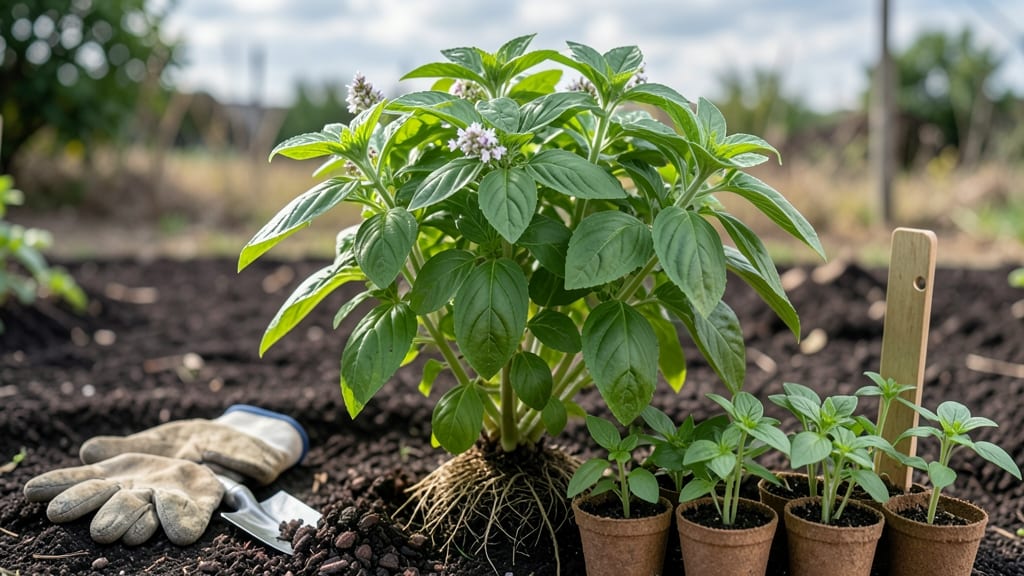
If you've ever planted basil in Maryland only to watch frost nip your seedlings or summer heat turn your leaves bitter, you're not alone.
The perfect timing for planting basil in Maryland's USDA Zone 7b isn't just about dates—it's about understanding your local climate quirks to grow the most flavorful, productive plants.
Most Maryland gardeners know the basics: wait until after the last frost, which typically arrives around April 15. But what you might not realize is that soil temperature plays an even bigger role than calendar dates.
Basil thrives when soil reaches at least 55°F, which often happens a week or two after the official frost-free date in our region.
In this guide, I'll break down exactly when to plant your 🌿 basil for maximum success, including how to work with Maryland's unpredictable spring weather.
You'll discover the ideal transplanting window, how to handle late frosts, and even how to extend your harvest into fall—all tailored specifically for Zone 7b conditions.
Whether you're a first-time gardener or a seasoned green thumb, these insights will help you avoid common pitfalls and grow basil that's not just surviving, but thriving in your Maryland garden. Let's get those seeds in the ground at the perfect moment!
Maryland basil planting calendar: exact frost-free dates for Zone 7b
Timing your basil planting in Maryland hinges on two critical factors: last frost dates and soil temperature. In USDA Zone 7b, the average last frost falls between April 15 and May 1, but microclimates—like urban heat islands or sheltered garden beds—can shift this by 1-2 weeks.
Always wait until nighttime temperatures consistently stay above 50°F before transplanting seedlings or sowing seeds directly.
Basil thrives in warm soil, ideally between 55°F and 85°F. If you’re starting seeds indoors, begin 6-8 weeks before your target outdoor date (around late February to early March).
For direct sowing, hold off until mid-May to avoid cold snaps that stunt growth or trigger damping off in seedlings.
Maryland’s first frost typically arrives in mid-October, giving you a 165-day growing season for basil. However, with staggered planting and protective measures, you can extend harvests into early October—just in time for fall tomato sauces and pesto!
Here’s your Maryland basil planting timeline broken down by key stages:
| Stage | Action | Timeframe | Notes |
|---|---|---|---|
| Start Indoors | Sow seeds in trays | Late February–Early March | Use seed-starting mix; keep warm (70°F+) |
| Hardening Off | Acclimate seedlings | Mid-April | Gradually expose to outdoors (5–10 mins/day) |
| Transplant Outdoors | Move seedlings to garden | After May 1 (soil 55°F+) | Space 12–18" apart; water deeply |
| Direct Sow | Plant seeds directly | Mid-May–Early June | Cover with row fabric until germination |
| First Harvest | Pick outer leaves | 6–8 weeks after transplant | Wait until plant is 6" tall with 4+ true leaves |
| Fall Planting | Sow for late harvest | Late July–Early August | Use row covers to extend season |
Pro tip: Use a soil thermometer to confirm warmth before planting. Basil roots struggle in cold soil, so if temperatures dip below 50°F, delay until conditions improve. Maryland’s unpredictable spring weather means flexibility is key—always have a backup plan for row covers or a greenhouse!
For container gardeners, start seeds in pots 4–6 weeks earlier than the outdoor timeline. Containers warm up faster in sunny spots, giving you a head start on the season. Just ensure pots have drainage holes to prevent root rot from Maryland’s occasional heavy rains.
Remember: Basil hates cold, but it also bolts in heat. In Maryland’s Zone 7b, aim to have your plants mature by late August to avoid bitter flavors from flowering.
With the right timing, you’ll enjoy fresh basil from June through October—perfect for pesto, salads, and summer sipping!
🌱
How to extend your Maryland basil season: staggered planting and cold protection
Maryland’s short growing season doesn’t mean you have to miss out on fresh basil! By using staggered planting and simple cold protection, you can enjoy harvests from early June to late October.
This strategy works especially well in USDA Zone 7b, where summer heat arrives quickly but frost can linger into May.
Start your first batch of basil indoors 6–8 weeks before your last frost date (around March 1–15 in Maryland). This gives seedlings a head start. Once soil warms to 55°F+, transplant them outdoors—but don’t stop there!
Plant new batches every 2–3 weeks through early June to ensure a continuous supply.
For fall harvests, sow seeds 8–10 weeks before your first frost (around August 1–15). Use row covers or a mini greenhouse to protect tender seedlings from unexpected chilly nights. With these tricks, you can extend your basil season by 3–4 months!
🌱
- Start Indoors Early: Sow seeds March 1–15 for transplanting after last frost (April 15–May 1). Use grow lights if natural light is weak.
- Stagger Planting: Sow new batches every 2–3 weeks through June 1 for a continuous harvest.
- Use Row Covers: Protect seedlings with floating row covers if night temps drop below 50°F.
- Choose Warm Microclimates: Plant near south-facing walls or in raised beds to trap heat and extend the season.
- Fall Planting Window: Sow seeds August 1–15 for a late-season harvest before frost.
Don’t overlook container gardening—it’s perfect for Maryland’s variable climate. Move pots to sunny spots during the day and bring them indoors if nighttime temps dip below 45°F. This flexibility lets you adjust planting times based on your yard’s microclimates.
For hardier varieties, consider Thai basil or Purple Ruffles, which tolerate slightly cooler temps than classic Genovese. These types also resist bolting in Maryland’s humid summers, giving you more time to enjoy fresh leaves.
With these season-extending tricks, you’ll have basil for pesto, salads, and teas from June through October—no greenhouses required! Just watch your plants like a hawk and adjust as Maryland’s weather shifts.
☀️