
Plants
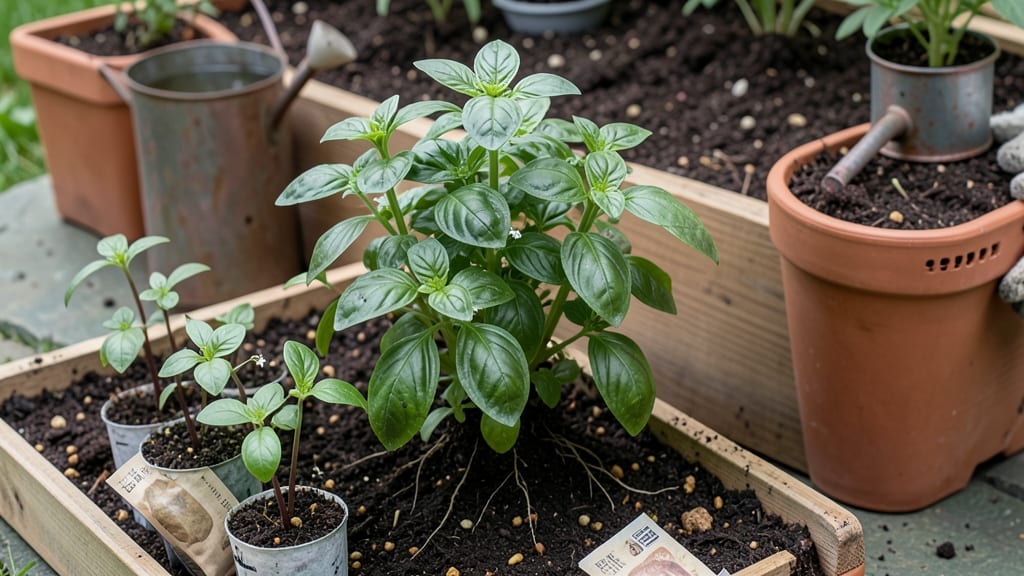
Timing your basil planting in Colorado isn’t just about waiting for spring—it’s about outsmarting the state’s unpredictable frost dates and elevation shifts.
Whether you’re growing in Denver’s USDA Zone 5 or the Western Slope’s Zone 7, planting too soon risks frost damage, while waiting too late cuts your harvest short.
I’ve seen firsthand how Colorado’s microclimates can turn a perfectly timed basil crop into a gamble. The key? Starting seeds indoors by mid-March and transplanting after your area’s last frost—typically mid-April to early May—while accounting for your specific elevation.
For Front Range gardeners, that means waiting until soil warms to at least 50°F, while high-altitude growers may need to push planting into June.
Here’s what you’ll discover: how to align your planting with Colorado’s frost-free windows, when to harden off seedlings for mountain zones, and why container gardening can be your secret weapon for extending the season. Let’s get your 🌿 basil thriving before summer slips away.
No more guessing—just data-driven timing tailored to Colorado’s unique growing conditions. Ready to turn your garden into a basil powerhouse?
Colorado’s basil planting timeline by elevation zone (2024 guide)
Colorado’s dramatic elevation changes mean your basil planting window can vary by hundreds of days from Denver to the Western Slope.
At 5,280 feet in Denver (USDA Zone 5b), last frost typically arrives around April 15, while high-altitude areas like Telluride (Zone 6b) at 8,750 feet may not see frost-free conditions until May 20. Understanding these zones is critical to avoid frost damage or wasted effort on late starts.
For lowland areas (3,000–5,000 ft), like Colorado Springs or Fort Collins, your ideal transplant window opens around mid-April and closes by June 1. In contrast, mountain regions (7,000+ ft)—such as Aspen or Breckenridge—should wait until late May to early June to plant basil outdoors.
These differences stem from Colorado’s 10°F temperature drop per 1,000 feet elevation gain, dramatically shortening the growing season at higher altitudes.
Key takeaway: Use your local frost dates (check Almanac’s Colorado frost calculator) as your guide. For example, Grand Junction (Zone 6a) can plant basil 2 weeks earlier than Denver due to its lower elevation and warmer microclimate. Always verify with your county extension office for hyper-local advice.
| Elevation Zone | Avg Last Frost | Ideal Planting Window | USDA Zone | Growing Season Length |
|---|---|---|---|---|
| Lowlands (3,000–5,000 ft) | April 1–15 | Mid-April to June 1 | 5b–6a | 120–140 days |
| Foothills (5,000–7,000 ft) | April 15–May 1 | Late April to May 20 | 6a–6b | 100–120 days |
| Mountains (7,000+ ft) | May 15–June 1 | Late May to June 15 | 6b–7a | 80–100 days |
If you’re growing basil in containers, you can push these windows slightly earlier by using black plastic mulch or row covers to warm the soil. For example, in Denver (Zone 5b), I’ve successfully transplanted basil as early as April 1 by covering seedlings with frost cloth until mid-May.
However, avoid planting after June 15 in lowland areas—basil needs 90–120 days to mature, and late starts risk bolting (flowering) before harvest.
For high-altitude gardeners, consider starting basil indoors 6–8 weeks before your last frost date. Use grow lights to provide 12–14 hours of light daily until seedlings are 3–4 inches tall with 4–6 true leaves.
Harden off seedlings for 7–10 days before transplanting to prevent transplant shock in Colorado’s dry, windy conditions.
Another Colorado-specific tip: Soil temperature matters more than air temperature for basil. Use a soil thermometer to confirm your garden bed is at least 50°F before planting. In clay-heavy soils common to the Front Range, add compost or sand to improve drainage and warmth retention.
I’ve seen basil struggle in cold, wet soils even after the last frost, so always test soil temp before committing to outdoor planting.
Pro tip for urban gardeners: If your balcony or patio faces south or west, you can extend your basil season by 2–3 weeks compared to north-facing spots. Containers also warm up faster than in-ground beds, making them ideal for early starts in microclimates.
For example, a black plastic pot on a sunny rooftop in Aurora (Zone 5b) can be 10°F warmer than the surrounding soil.
Finally, track your local microclimate. Urban areas like Denver experience the urban heat island effect, which can delay frost by 1–2 weeks compared to rural areas. Meanwhile, valley locations
How to extend basil’s growing season in Colorado’s short summers
Colorado’s short growing seasons—especially in high-altitude zones—can leave basil lovers with just 90–120 frost-free days to harvest. But with the right techniques, you can extend basil’s season by weeks, even months. The key? Cold-hardening seedlings, using protective covers, and leveraging containers for mobility.
For mountain regions (7,000+ ft), where summers are brief, start basil indoors 8–10 weeks before your last frost date. Use grow lights to simulate long days, then acclimate seedlings outdoors gradually. This hardens them to handle cooler nights after transplanting, delaying bolting and extending harvests into early fall.
Row covers are your best friend in foothill and lowland areas. After transplanting, drape floating row covers over plants to shield them from late spring frosts (which can hit as late as May 15 in some zones). Remove covers during the day to let pollinators access flowers—critical if you’re saving seeds or want basil to set fruit.
- Cold-Harden Seedlings: Move trays outdoors for 2–3 hours daily 1 week before transplanting to toughen stems.
- Use Row Covers: Protect young plants until June 1 in mountain zones; remove by mid-July to avoid heat stress.
- Succession Plant: Sow new seeds every 2 weeks from May to July for staggered harvests.
- Container Gardening: Move pots to sunniest spots or indoors during cool snaps (use south-facing windows).
- Harvest Early: Pinch off flower buds to redirect energy to leaves, delaying bolting by 3–4 weeks.
Don’t overlook container gardening—it’s a game-changer for Colorado gardeners. Basil thrives in 5-gallon pots with well-draining soil, and you can roll containers indoors when nighttime temps dip below 50°F.
Place them near a south-facing window or under LED grow lights (12+ hours/day) to keep them growing through October.
For lowland areas (3,000–5,000 ft), where summers are hotter, focus on shade cloth during peak afternoon sun (1–4 PM) to prevent heat stress. Basil wilts easily above 90°F, so mulch heavily with straw or wood chips to keep roots cool and moist.
This trick buys you 2–3 extra weeks of harvestable leaves before bolting.
Pro tip: Save seeds from your best plants to grow next year! Let a few flowers bloom, dry the seeds indoors, and store them in a cool, dark place. This ensures you’ll have heirloom basil ready for your 2025 garden, no matter how short the season gets.