
Plants
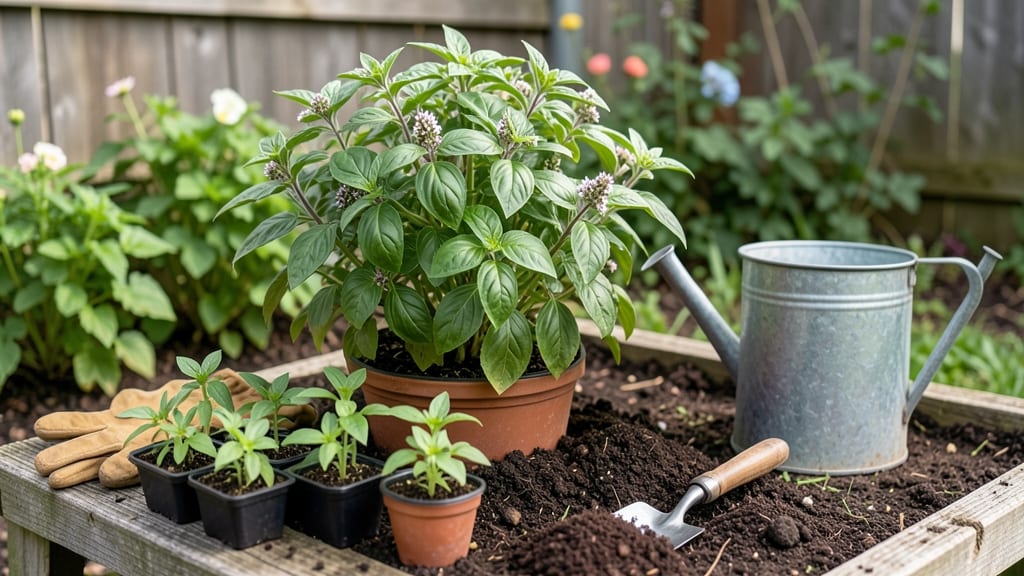
Knowing when to plant basil in California can turn your herb garden from a risky gamble into a year-round success—especially when frost-free windows vary wildly from coastal chill to desert heat. Whether you're a first-time gardener or a seasoned green thumb, timing is everything for this sun-loving 🌿.
In California's 9a-10b zones, you can actually plant basil year-round, but the best windows are spring and fall when temperatures cooperate. Miss the mark, and you might end up with bolting plants or frost damage—neither of which tastes great in your pesto.
Let me show you exactly when to get those seeds in the ground (or pots) for maximum flavor and growth.
What makes California tricky is its microclimates—coastal areas like San Francisco stay mild, while inland spots like the Central Valley can swing from 90°F summers to unexpected winter frosts.
We'll break down the ideal planting months for your specific zone, plus pro tips to keep your basil thriving through summer's heat or winter's rare cold snaps.
From container gardening in urban apartments to in-ground beds, I'll cover everything you need to know to make your basil plants happy and productive. Ready to grow the freshest, most aromatic 🌿 in your kitchen? Let's get started with the perfect planting schedule for your California garden.
California USDA zones and basil planting deadlines by month
California’s diverse climate—from coastal fog to desert heat—means basil planting deadlines vary dramatically by USDA zone. Whether you’re in frost-prone zone 5a (Mount Shasta) or zone 10a (Palm Springs), timing is everything. I’ll break down last-frost dates, ideal transplant windows, and container-gardening hacks for urban gardeners.
Most of California falls within USDA zones 7b–10b, but high-elevation areas like the Sierra Nevada dip into zone 5a. Coastal regions (e.g., San Francisco) enjoy year-round growing potential, while inland valleys (e.g., Central Valley) face hotter summers and colder winters.
For basil, which thrives in warmth but bolts in heat, these zones dictate when to plant for maximum harvests.
Key takeaway: Plant basil in early spring (March–April) for coastal zones and late winter (February–March) for inland areas. Fall plantings (August–September) work in zones 9–10 to avoid summer heat stress. Let’s dive into the specifics by zone.
| Zone | Last Frost | Ideal Planting Window | Container Notes |
|---|---|---|---|
| 5a (Mount Shasta) | Mid-May | Late May–June | Use black pots to absorb heat; move indoors in winter. |
| 7b (Sacramento) | Mid-January | March–April, Sept–Oct | Shade cloth for summer; mulch to retain moisture. |
| 9a (Los Angeles) | Never (frost-free) | Year-round (avoid July–Aug) | Dwarf varieties for balconies; drip irrigation recommended. |
| 10a (Palm Springs) | Never (frost-free) | Feb–March, Sept–Oct | Shade 30–50% in peak sun; self-watering pots ideal. |
| Coastal (San Francisco) | Rare (Dec–Jan) | Feb–April, Aug–Sept | Wind protection; raised beds for drainage. |
For zone 9–10 gardeners, year-round basil production is possible with strategic timing. Plant Genovese or Sweet basil in February–March for spring harvests, then again in August–September to avoid bolting from summer heat.
In cooler zones (7b and below), focus on spring and fall plantings—basil won’t survive winter outdoors.
Urban gardeners in containers have flexibility: move pots indoors during heatwaves or frost. Use 5-gallon pots for mature plants and ensure drainage holes to prevent root rot. Self-watering planters are a game-changer in zone 10’s dry summers, reducing your workload while keeping roots moist.
Pro tip: Start seeds indoors 4–6 weeks before your zone’s last frost date. Basil germinates quickly (5–10 days at 70°F), so you can transplant seedlings as soon as soil warms to 50°F.
Coastal gardeners can plant directly outdoors in February, while inland areas should wait until April.
Remember, microclimates matter. A San Francisco backyard might be 5°F cooler than a nearby street due to urban heat islands. Monitor your local weather station and adjust planting dates accordingly. For high-altitude zones (5a–7a), consider greenhouse starts to extend the season.
Finally, succession planting is your secret weapon. In zone 9–10, sow new seeds every 2–3 weeks from February to October to ensure a continuous supply of fresh basil. This works even in containers—just rotate crops to maximize space.
Now that you’ve got your planting deadlines locked in, let’s tackle how to keep your basil thriving through California’s scorching summers in the next section. ☀️
How to extend basil’s growing season in California’s hot summers
California’s hot summers can turn your basil into a bolting disaster—leaving you with bitter leaves and wasted effort. The key to success? Strategic planning to beat the heat while keeping your plants productive.
I’ve grown basil in zones 9-10 for years, and these tricks have saved my harvests time and again.
First, understand that basil hates extreme heat—temperatures above 90°F trigger bolting (flowering), which ruins leaf production. In inland areas like Sacramento or Bakersfield, summer temps often exceed this threshold. Coastal zones like San Francisco fare better, but even there, afternoon sun can be brutal.
Here’s my battle plan to keep your basil thriving through summer:
- 1 Install shade cloth (30-50%) to filter intense afternoon sun. I use knitted shade fabric—it’s breathable and won’t smother your plants. Mount it on a trellis or hoop system 2-3 feet above your basil.
- 2 Water deeply in the morning—never at night. Basil needs 1-2 inches of water weekly, but in 100°F+ heat, increase to daily watering. Use drip irrigation or soaker hoses to keep leaves dry and prevent fungal diseases like downy mildew.
- 3 Mulch heavily with 2-3 inches of straw or wood chips to insulate roots. This keeps soil 5-10°F cooler and reduces evaporation. I’ve seen mulched beds stay 10°F cooler than bare soil on 110°F days.
- 4 Plant near tall companions like tomatoes or peppers to create natural shade. Basil grows well under partial shade, and these plants provide afternoon relief while benefiting from the basil’s pest-repelling properties.
- 5 Harvest aggressively to prevent bolting. Pinch off flower buds and lower leaves regularly. I harvest 20-30% of the plant weekly—this encourages bushier growth and delays flowering by 3-4 weeks in summer.
- 6 Switch to container growing for urban areas. Pots heat up faster, but you can move them to shadier spots or even indoors near a south-facing window during peak heat. Use black containers—they absorb heat and warm roots slightly, which can help in cooler coastal summers.
For late-season harvests in zones 9-10, don’t give up when temps drop in September-October. Basil actually performs better in cool weather—it grows slower but produces sweeter, more aromatic leaves. I’ve had my Genovese basil thrive through November in San Diego with minimal care.
Pro tip: If your basil starts flowering, cut the stems back by half and fertilize lightly with fish emulsion. This can trick the plant into producing new leaf growth instead of seeds. Just be prepared to harvest more aggressively afterward to keep it productive.
🌿