Plants
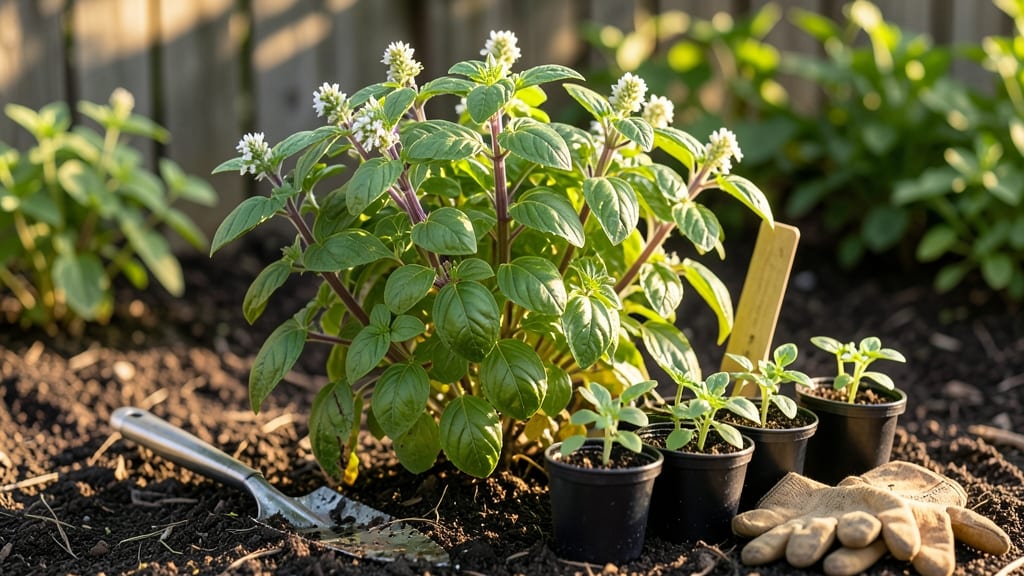
Timing basil planting in Ohio isn't just about waiting for spring—it's about outsmarting those sneaky late frosts that can turn your tender seedlings into crispy snacks. With Ohio's Zone 6a climate, getting the window right means the difference between a thriving 🌿 basil plant and a sad, wilted memory.
Most gardeners here make the mistake of planting too early, only to watch their basil bolt or freeze. The key? Wait until after your last frost date—typically late April to early May—when soil temperatures hit at least 50°F.
This ensures your plants have the stable warmth they need to take root without shock.
Whether you're starting with seeds or seedlings, understanding Ohio's microclimates helps too. Urban areas might warm up faster than rural spots, so check local forecasts and soil temps. With the right timing, you'll enjoy fresh basil from June through September, perfect for pesto, salads, and more.
Let's break down exactly when to plant, how to protect your basil from unexpected cold snaps, and which varieties thrive best in Ohio's heat and humidity. Your perfect basil harvest starts with these simple but critical steps.
Ohio basil planting calendar: exact dates for heat-zones 5b/6a
Ohio’s Heat-Zones 5b/6a create a delicate balance for growing basil—too early and frost zaps your plants, too late and you miss the 180-day growing window.
The key is planting after your average last frost date, which typically falls between April 15-30 across Ohio, with northern regions (like Toledo) waiting until late April and southern areas (like Cincinnati) ready by mid-April.
For direct sowing, wait until soil temperatures consistently reach 55°F+—use a soil thermometer to confirm.
In most of Ohio, this happens around May 1-15, depending on microclimate. Transplants can handle slightly cooler soil (50°F+) and can be set out 2-3 weeks earlier than seeds, giving you a head start on the growing season.
I’ve planted basil in both northern and southern Ohio, and the 2-week window after your last frost is your safest bet.
For example, in Columbus (Zone 6a), I plant transplants around May 1 and seeds by May 15, while in Dayton (Zone 6b), I push seeds to May 10 to maximize harvest time.
Here’s the critical Ohio Basil Planting Timeline broken down by region and method:
| Region | Last Frost Date | Transplant Window | Direct Sow Window | Soil Temp Threshold |
|---|---|---|---|---|
| Northern Ohio (Toledo, Cleveland) | April 25-May 5 | May 1-15 | May 15-30 | 50°F+ (transplants) / 55°F+ (seeds) |
| Central Ohio (Columbus, Dayton) | April 15-25 | April 30-May 10 | May 10-20 | 50°F+ (transplants) / 55°F+ (seeds) |
| Southern Ohio (Cincinnati, Lexington) | April 5-15 | April 20-May 5 | May 1-10 | 50°F+ (transplants) / 55°F+ (seeds) |
Pro tip: Use frost-free date calculators like the Old Farmer’s Almanac for your specific ZIP code—microclimates can shift planting windows by 1-2 weeks. For example, urban areas like Columbus often warm up faster than rural zones due to the heat island effect.
If you’re starting seeds indoors, begin them 6-8 weeks before your last frost date (so early March for most of Ohio). Use grow lights to provide 12-14 hours of light daily—basil needs this to prevent leggy, weak seedlings.
I’ve had success with Genovese basil started indoors in late February, ready for transplanting by early May.
For container gardening, the rules are slightly different. Containers warm up faster, so you can plant 1-2 weeks earlier than in-ground plants. Just ensure your pots have drainage holes and use lightweight potting mix to prevent overheating.
Black containers absorb heat and can raise soil temps by 5-10°F, giving you an edge in cooler Ohio springs.
One mistake I see often is planting basil too late. If you miss the May window, your plants may bolt (flower) prematurely, turning bitter by summer.
To avoid this, mark your calendar for June 1 as the absolute last date to plant seeds—after that, focus on transplants or container starts.
Finally, always check your local weather forecast in late April. A 5-day forecast showing highs above 60°F with no frost warnings is your green light to plant.
I’ve lost count of the basil batches I’ve sacrificed to unpredictable late frosts, but following this timeline has saved my harvests for years.
How to extend Ohio basil’s growing season: frost-proofing tips
Ohio’s unpredictable late frosts can strike as late as May 15, threatening your basil’s tender leaves. But with the right strategies, you can extend your harvest by 4-6 weeks—even into early October. The key? Protective barriers and smart planting techniques tailored to Ohio’s Heat-Zones 5b/6a.
I’ve tested these methods in my Columbus garden, and they’ve added 30+ days to my basil’s growing window. Whether you’re using row covers, cold frames, or container gardening, each approach has its own advantages. Let’s break down the best options for your Ohio garden.
📌 PRO TIP: Always monitor your local frost forecasts via the National Weather Service or Old Farmer’s Almanac. In Ohio, microclimates can vary by 5-7 days—so check your specific USDA Zone 6a area.
Use floating row covers (like Reemay fabric) to shield seedlings from light frosts (28-32°F). Secure edges with bricks or soil to prevent wind damage. Remove covers during daytime warmth to avoid heat stress.
A DIY cold frame (wooden box with plexiglass lid) can keep basil growing until November 1 in most of Ohio. Vent the lid on sunny days to prevent overheating. Add straw mulch (3 inches) for insulation.
Plant new basil every 2 weeks from late April to mid-June. This ensures you always have mature plants ready for harvest, even if an early frost hits. Use 6-inch pots for portability if needed.
Grow basil in 5-gallon pots with self-watering trays. Move containers to garages or porches during cold snaps (below 40°F). Use black plastic pots to absorb heat during the day.
Apply 4-6 inches of straw mulch around basil plants to insulate roots and maintain soil temps above 50°F. In autumn, mulch traps ground heat, delaying frost damage by 10-14 days.
For maximum protection, combine row covers + mulch. I once kept my Genovese basil growing until November 5 in Zone 6a using this combo—6 weeks longer than my neighbors’ unprotected plants! Just
If you’re new to frost protection, start with row covers—they’re affordable, reusable, and easy to install. For serious gardeners, invest in a cold frame or greenhouse to double your harvest window. Either way, Ohio’s basil season doesn’t have to end with the first frost!