
Plants
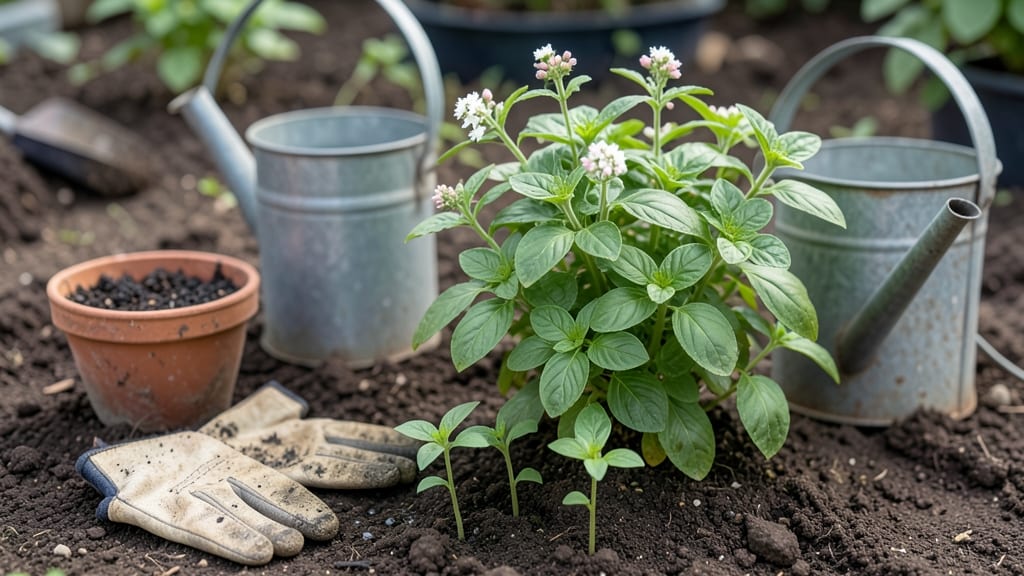
Timing your basil planting in Michigan wrong could mean the difference between a thriving herb garden and wasted effort. With Michigan’s unpredictable USDA Zones 5b-6a, knowing exactly when to plant—after that last frost but before summer heat—is the key to success.
Whether you’re starting seeds indoors or transplanting seedlings, getting this right ensures your 🌿 basil grows lush and flavorful.
Most Michigan gardeners wait until mid-April to early June, but that’s not a one-size-fits-all answer. Southern Michigan’s warmer microclimates may allow planting as early as late April, while northern areas should hold off until early May.
The goal? Plant when soil temperatures hit at least 55°F—any earlier, and frost will still be lurking.
Here’s what you need to know: the perfect window for transplanting seedlings is 4-6 weeks after your last frost date, giving your basil enough time to establish roots before summer’s heat sets in.
And if you’re starting from seeds, you’ll need to begin indoors 6-8 weeks before that ideal outdoor date. Let’s break down the exact steps to get your basil off to the best start.
From choosing the right variety to protecting your plants from late-season frosts, I’ll share the pro tips that make all the difference in Michigan’s short growing season. Ready to grow basil that’s ready for harvest by June? Let’s get started.
Michigan basil planting calendar: exact dates for zones 5b-6a
Michigan’s USDA Zones 5b-6a have short growing seasons, so timing your basil planting is critical. The last spring frost typically hits mid-April in southern Michigan and early May in northern regions.
Wait until soil temperatures reach at least 55°F—this usually aligns with late April to early May for most gardeners.
For direct sowing, aim for mid-May to early June after all frost risk has passed. If you start seeds indoors 6-8 weeks before the last frost, you’ll have hardy seedlings ready for transplanting by early May.
This gives your basil a 120-150 day growing window before fall frosts arrive.
Southern Michigan (Zone 6a) has a slightly longer season, allowing for one late summer planting around mid-August—basil seeds can still germinate in warm soil and produce harvests before frost. Northern Michigan (Zone 5b) gardeners should focus on spring planting only to avoid fall cold snaps.
| Stage | Action | Zone 5b (Northern MI) | Zone 6a (Southern MI) |
|---|---|---|---|
| Indoor Start | Start seeds | Early March | Late February |
| Transplant Ready | Hardened seedlings | Early May | Mid-April |
| Direct Sow | Outdoor planting | Late May | Early May |
| Late Season | Second planting | Not recommended | Mid-August |
| First Frost | Harvest cutoff | Late September | Early October |
Check your local Michigan State University Extension frost dates for your specific county—these can vary by 1-2 weeks depending on microclimates. Urban areas like Detroit often warm up faster than rural Upper Peninsula regions. Use a soil thermometer to confirm 55°F+ temperatures before planting.
For container gardening, move pots indoors when nighttime temps drop below 50°F in fall. Basil thrives in 6-8 hours of sunlight, so place containers near south-facing windows or under grow lights for winter harvests. This extends your growing season by 4-6 weeks.
Pro tip: Use black plastic mulch to warm soil faster in spring. It also suppresses weeds and retains moisture—critical for basil’s shallow roots. Remove mulch once soil temps stabilize to prevent overheating.
Always harden off seedlings for 7-10 days before transplanting. Acclimate them to outdoor conditions gradually by moving them to shaded areas for increasing durations each day. This reduces transplant shock and helps basil establish faster.
Monitor your local Almanac frost predictions—they’re updated weekly. If an unexpected frost is forecasted, cover young plants with frost cloth or row covers to protect tender growth. Basil is sensitive to cold, so don’t take chances with young seedlings.
Plan for succession planting every 2-3 weeks from May through July. This ensures a continuous harvest and prevents overcrowding. Space plants 12-18 inches apart for optimal airflow—poor circulation leads to fungal diseases like downy mildew.
Michigan basil planting calendar: exact dates for zones 5b-6a
Michigan’s USDA Zones 5b-6a mean your basil planting window is tight—just 150-200 frost-free days. In southern Michigan (Zone 6a), you’ll have a 2-week advantage over northern areas (Zone 5b), but both regions need precision timing to avoid frost damage or wasted harvest potential.
Your last frost date typically falls between mid-April (southern MI) and early May (northern MI). Basil seedlings won’t tolerate temperatures below 50°F, so wait until soil warms to 55°F+—test with a soil thermometer or wait for 3 consecutive days above 60°F.
Here’s your basil planting timeline for Michigan, broken down by zone and method:
| Stage | Zone 6a (Southern MI) | Zone 5b (Northern MI) |
|---|---|---|
| Indoor Start | Mid-March | Late March |
| Transplant Ready (Indoors) | Early April | Mid-April |
| Last Frost Date | Mid-April | Early May |
| Direct Sow Outdoors | Late April | Early June |
| Ideal Transplant Window | May 1-15 | May 15-30 |
| Harvest Start | June 15 | July 1 |
For direct sowing outdoors, wait until soil temperatures hit 55°F+—use a soil thermometer or the back-of-hand test (soil should feel warm, not cold). Southern Michigan gardeners can start 2-3 weeks earlier than northern counterparts, but never rush—cold soil stunts growth.
Pro tip: Start seeds indoors 6-8 weeks before your last frost date (use grow lights for 12-14 hours/day). Harden off seedlings for 7-10 days before transplanting to avoid transplant shock. Space plants 12-18 inches apart for airflow and prevent fungal diseases.
Remember: Basil thrives in heat—once planted, it grows fastest when temperatures hit 70°F+. In Michigan, this means June-August is peak harvest season, but late August plantings can still yield before frost if given full sun and consistent water.