
Plants
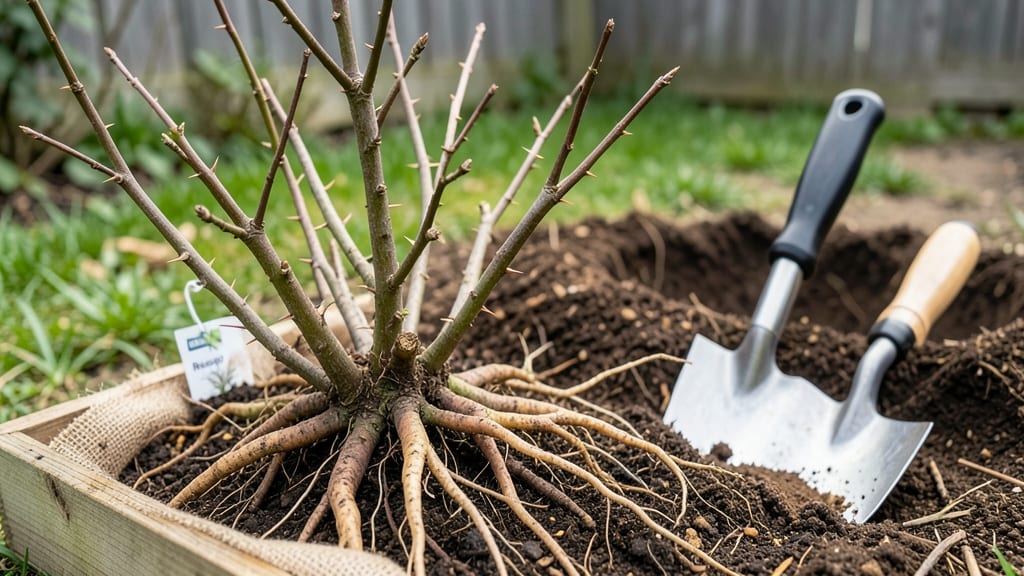
Timing when to plant bare root roses in California could mean the difference between a thriving 🌹 garden and a sad, wilted investment. The Golden State’s diverse microclimates—from coastal chill to inland warmth—make the "best" window surprisingly complex, especially when matching your rose’s chill-hour needs to your local frost patterns.
Most gardeners in USDA Zones 9b-10a assume November through March is foolproof, but that’s where mistakes happen. Plant too early in mild coastal areas (like San Diego), and your rose may wake up too soon, stressing in summer heat.
Wait too late in inland valleys (like Fresno), and you risk dormancy breaking before roots establish.
Here’s the game-changer: pairing your rose variety with your region’s chill-hour zone (1-14) ensures buds swell at the right time. A ‘Knock Out’ rose in Zone 7 needs 500-700 chill hours, while an ‘Earthsong’ in Zone 9 thrives with just 300-500.
We’ll break down exactly when to plant—plus soil prep and post-planting care—to set your roses up for blooms that last all season.
Skip the guesswork and learn how to adjust for early/late seasons, drought-prone soils, and even last-minute planting if dormancy slips. Your future garden’s beauty depends on getting this right—let’s make it easy.
California’s chill-hour zones: matching bare root roses to your region’s winter needs
California’s diverse climate means one planting window doesn’t fit all. The state spans 9 chill-hour zones (1-14), where chill hours (temperatures 32–45°F) determine when roses wake from dormancy.
Planting bare root roses too early in mild coastal zones (1-3) risks heat stress, while inland cold zones (8-14) need protection from late frosts. Understanding your zone ensures your roses bloom on schedule.
For example, Zone 9b (Los Angeles, San Diego) has 300–500 chill hours, while Zone 7 (Sacramento, Fresno) gets 800–1,200 chill hours. Roses like ‘Earthsong’ thrive in Zone 9, but ‘Knock Out’ roses need Zone 5–9.
Matching your zone to the right variety avoids bud blindness (when roses fail to bloom).
🌱 Key Takeaway: Coastal areas (Zones 1–5) plant in November–December, while inland areas (Zones 6–14) wait until January–February. Always check local frost dates—San Francisco’s last frost is January 15, but Eureka’s is March 1.
| Chill-Hour Zone | Best Planting Window | Recommended Rose Varieties | Dormancy Exit Signal |
|---|---|---|---|
| Zone 1–3 (Coastal: SF, LA) | November–December | ‘Belinda’s Dream’, ‘Double Delight’ | Bud swell by Feb 1 |
| Zone 4–5 (Central Coast: Monterey) | December–January | ‘The Fairy’, ‘Julia Child’ | Leaf buds form by Jan 15 |
| Zone 6–7 (Inland: Sacramento) | January–February | ‘Knock Out’, ‘Dr. Huey’ | New growth by Feb 20 |
| Zone 8–9 (Southern CA: Palm Springs) | November–December | ‘Earthsong’, ‘Carefree Beauty’ | Bud swell by Jan 1 |
| Zone 10–14 (Desert: Yuma) | October–November | ‘Desert Sun’, ‘Bourbon’ | Growth resumes by Dec 15 |
🌹 Pro Tip: Soak bare roots for 2–4 hours before planting to reduce transplant shock.
Soil temperature is your second critical factor. Roots need 50–60°F soil to grow. In Zone 9–10, plant when soil hits 55°F (usually November), while Zone 7–8 waits for 50°F (typically February).
Use a soil thermometer to avoid guessing—cold soil stalls roots, and warm soil burns them.
Rainfall also plays a role. Northern California (Zones 6–9) relies on winter rains, so plant before January 15 to let roots establish before dry spells. Southern California (Zones 9–14) often needs supplemental watering—deep water 1–2 times/week after planting. Mulch with 2–3 inches of compost to retain moisture and regulate soil temp.
Microclimates add complexity. A San Francisco garden near the coast may be Zone 9b, but a hillside 5 miles inland could be Zone 8a.
Observe your yard: Frost pockets (low areas) freeze later, while south-facing slopes warm faster. Test your microclimate by planting a tender rose variety as a trial—if it survives winter, you’re likely Zone 9+.
Finally, chill-hour deficit affects marginal zones. If you’re in Zone 5–6 (foothills) with only 600 chill hours, choose low-chill varieties like
Step-by-step planting timeline: when to plant by chill-hour Zone (with dormancy triggers)
California’s diverse climate means your bare root rose planting window can vary dramatically—from November through March in most regions, but with critical adjustments for coastal vs. inland zones.
The key is watching for dormancy exit signals like bud swell or leaf buds forming, which indicate your rose is ready to wake up and grow.
For Zone 9b-10a (most of Southern California), aim to plant between November 15 and February 15, when daytime temps hover between 50–65°F.
In cooler inland zones (Zone 7-8), like the Sierra foothills, extend your window until late March to avoid late frosts that can damage tender new growth.
Here’s your actionable planting timeline, broken down by chill-hour zone and dormancy triggers:
Test soil pH (6.0–6.5 ideal) and amend with compost. In drought-prone areas, add hydrating gel to retain moisture.
Submerge bare roots in lukewarm water for 2–4 hours to rehydrate. Trim any mushy or blackened roots with clean shears.
Zone 1–3 (Coastal): Plant December–February (mild winters). Zone 4–6 (Foothills): Plant November–January (avoid late frosts). Zone 7–8 (Inland): Plant November–March (longer chill).
First 2 weeks: Water daily (1–2 gallons per plant). Afterward, deep water weekly (morning only).
In Zone 7–8, cover new plants with burlap or frost cloth if temps drop below 28°F. Coastal zones (Zone 1–3) rarely need protection.
Apply 2–3 inches of mulch (wood chips or straw) to retain moisture. Avoid fertilizing until spring bud swell (March–April).
Pro tip: Use a soil thermometer to confirm temps are above 50°F before planting—cold soil can shock roots. In Southern California’s desert zones (Zone 10a), plant in late November to avoid winter rains that can rot roots.
Remember, bare root roses thrive when planted dormant, so resist the urge to rush into spring planting. Patience now means vibrant blooms by summer—not wilting disappointment.