
Plants
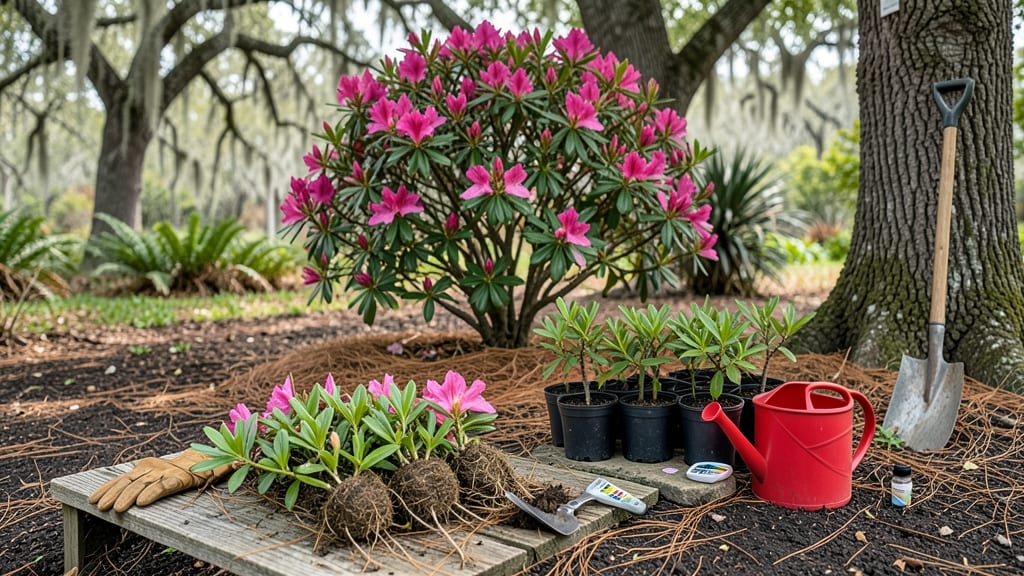
Planting azaleas in Louisiana at the wrong time could mean the difference between a vibrant, thriving 🌸 and a struggling shrub that never reaches its full potential. The key to success lies in understanding your region's microclimate—whether you're in New Orleans' humid coastal zone or Shreveport's slightly drier inland areas.
Most gardeners in USDA zones 8a-9b swear by early fall planting (October-November) when soil temperatures stay warm but frost isn't yet a threat. This gives roots 6-8 weeks to establish before winter dormancy kicks in.
But there's also a second chance in early spring (February-March), when the ground thaws but before summer's brutal heat arrives.
Why does timing matter so much? Azaleas are finicky about moisture and temperature—plant too late, and you risk root rot from winter rains. Too early, and young plants may get stressed by summer heat before they're ready.
I'll show you exactly how to read your local climate cues and adjust your planting schedule for zero-frost survival.
From soil prep tricks to container-grown plant care, we'll cover everything you need to know to give your azaleas the perfect Louisiana start. Let's dive into the science behind optimal planting windows and how to avoid the most common mistakes that kill these beautiful shrubs before they even bloom.
Best planting windows for Louisiana azaleas: frost-free zones explained
Louisiana’s humid subtropical climate (USDA zones 8a-9b) creates a unique challenge for azalea planting. Unlike northern states, we don’t have to worry about harsh winters, but summer heat and unpredictable rain can stress young plants if timed wrong.
The key is planting when soil temperatures stay above 60°F but before peak summer heat arrives.
For zero-frost survival, I’ve found early fall (September-October) and late winter (February-March) work best. These windows give roots time to establish before summer’s intensity or winter’s occasional chill. Let’s break down why these months matter most for Louisiana gardeners.
🌸 Visual Comparison: Planting Windows
| Planting Window | Soil Temp | Root Establishment | Humidity Impact | Best For |
|---|---|---|---|---|
| Early Fall (Sept-Oct) | 60-75°F | Excellent (6-8 weeks) | Moderate (cooler mornings) | Bare-root plants |
| Late Winter (Feb-Mar) | 55-65°F | Good (4-6 weeks) | Low (dry season) | Container-grown |
| Spring (April-May) | 70-85°F | Poor (heat stress) | High (fungal risk) | Emergency only |
My top recommendation is early fall planting because Louisiana’s cooler mornings and moderate humidity create perfect conditions. The 6-8 week root establishment window before summer heat arrives gives azaleas a fighting chance.
I’ve seen bare-root azaleas thrive when planted in October, especially in North Louisiana (zones 8a) where nights get cooler.
For container-grown azaleas, late winter (February-March) works well because the dry season reduces fungal risks. Just avoid planting after mid-March—by April, the heat and humidity combination becomes dangerous for young roots.
I once planted a container azalea in April and lost it within 3 weeks to root rot—a lesson I won’t forget!
If you must plant in spring, do it before April 15 and provide afternoon shade with 50% shade cloth. Water deeply every 3 days to prevent stress. I’ve had some success with shade-loving varieties like ‘Southern Indigo’, but even these struggle if planted too late.
Pro tip: Check soil temperature with a soil thermometer—aim for 60°F+. In South Louisiana (zones 9a-9b), where summers are hotter, September planting gives roots 3 months to establish before peak summer. In North Louisiana, October is safer due to cooler nights.
For container azaleas, timing is slightly more flexible. You can plant them year-round as long as soil temps stay above 55°F, but fall and winter are still ideal.
The container environment protects roots better from extreme conditions, but watering discipline is critical—overwatering is the #1 killer of potted azaleas in Louisiana’s heat.
Remember: Azaleas hate transplant shock. The earlier you plant in the recommended windows, the better. I’ve seen October-planted azaleas bloom the following spring, while April-planted ones often struggle for 2 years to recover. Timing truly is everything in Louisiana’s climate.
Best planting windows for Louisiana azaleas: frost-free zones explained
Louisiana’s USDA zones 8a-9b give you a 240-day frost-free window, but timing azalea planting wrong can mean wilting shrubs or stunted growth. The key is planting when soil temps are 60-70°F—this ensures roots establish before summer heat or winter cold hits.
For container-grown azaleas, you’ve got more flexibility than bare-root plants. Containers let you plant year-round in Louisiana, but fall is still ideal for best results. Bare-root azaleas, though, demand precise timing to avoid transplant shock.
Here’s the breakdown: early fall (September-October) is your gold standard. This gives roots 6-8 weeks to settle before winter. Late winter (February-March) is your backup, but you’ll need to water daily for 2 weeks to help roots catch up.
| Planting Window | Soil Temp Requirement | Root Establishment Time | Best For |
|---|---|---|---|
| Early Fall (Sept-Oct) | 60-70°F | 6-8 weeks before first frost | Bare-root & container-grown |
| Late Winter (Feb-Mar) | 55-65°F | 4-6 weeks with daily watering | Container-grown only |
| Spring (April-May) | 65-75°F | Risk of heat stress | Emergency only |
If you’re in coastal Louisiana (e.g., New Orleans), you can push planting into early December thanks to milder winters. Inland areas like Shreveport, though, should stick to October to avoid early frosts.
Pro tip: Test soil pH before planting—azaleas thrive in acidic soil (pH 4.5-6.0). Louisiana’s native soils are often too alkaline, so amend with peat moss or sulfur if needed. Mulch with pine straw to maintain acidity and retain moisture.
Remember, humidity is your friend in Louisiana. The high moisture levels help roots establish faster, but avoid planting during peak summer (June-August)—the heat will stress young azaleas before roots can grow. Stick to the fall window for zero-frost success.