
Plants
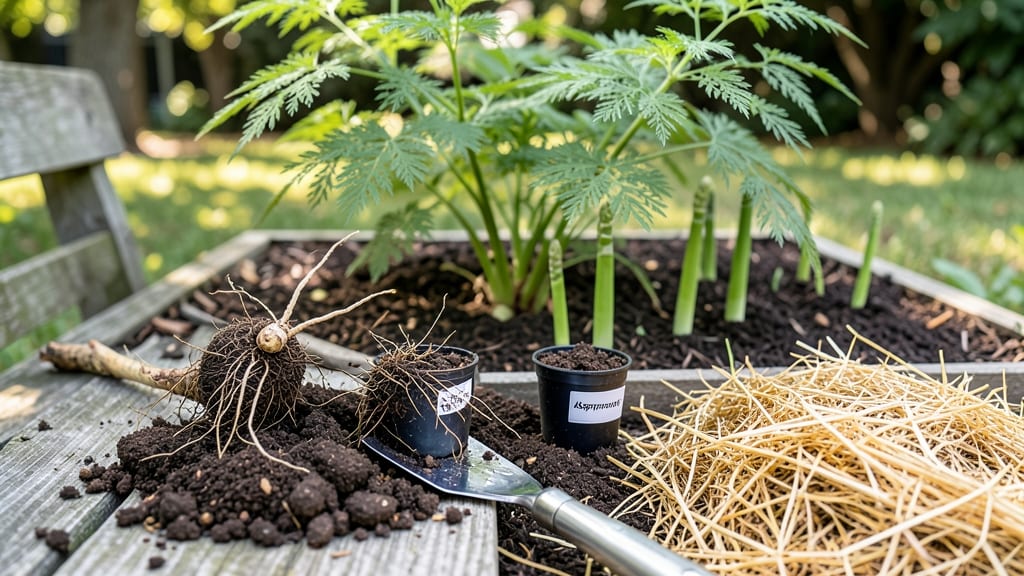
Timing your asparagus planting in Utah isn't just about the calendar—it's about surviving the state's unpredictable frost cycles and elevation shifts. Plant too early, and your 🌱 asparagus crowns could freeze before roots establish. Too late, and you miss the 60-day frost-free window that separates success from disappointment.
Utah's diverse zones—from the Wasatch Front's 4,000-foot valleys to Southern Utah's 7,000-foot plateaus—demand precision. The key? Planting when soil temperatures hit 50°F, typically between mid-March and early April, but adjust for your specific elevation.
I'll show you exactly how to calculate your local frost-free window and choose the perfect planting date for your microclimate.
Most Utah gardeners swear by crowns over seeds for their faster establishment, but even the best crowns need the right conditions. We'll cover soil prep, spacing tricks, and how to protect young plants from late spring frosts that can still hit after April.
With these strategies, your asparagus will thrive through Utah's short growing season and reward you with harvests for years to come.
Ready to grow asparagus that outlasts Utah's weather? Let's break down the exact planting windows, elevation adjustments, and long-term care secrets that make the difference between a one-year flop and a perennial powerhouse in your garden.
Your first harvest could be just 2-3 years away—if you plant at the right time.
Utah’s asparagus planting zones by elevation: exact timing for success
Utah’s elevation variations—from the Salt Lake Valley at 4,200 feet to mountain regions exceeding 9,000 feet—drastically affect asparagus planting windows. At lower elevations, soil warms faster, while higher zones risk late spring frosts that stall growth.
Timing your asparagus crowns to align with soil temperatures (ideally 50°F+) and last frost dates is critical for survival. Below, we break down the optimal planting windows by Utah’s key elevation zones.
For Wasatch Front (4,200–6,000 ft), aim to plant asparagus crowns in late March to early April, once soil reaches 50°F. This zone typically sees its last frost around April 15, giving young shoots time to establish before summer heat.
In Southern Utah (3,500–5,000 ft), where springs arrive 2–3 weeks earlier, you can plant as early as mid-February, provided soil isn’t frozen or soggy.
Higher elevations—like Cache Valley (4,500–5,500 ft) or mountain regions (6,000–9,000 ft)—demand patience. Plant no earlier than early May to avoid frost damage; these areas often experience last frosts in late May.
Use row covers or cold frames to extend the season if planting earlier. Always check local frost charts from the National Weather Service for your specific microclimate.
Soil preparation is just as critical as timing. Asparagus thrives in well-draining, slightly alkaline soil (pH 6.5–7.5). In Utah’s clay-heavy soils (common in the Salt Lake Valley), amend with compost or sand to improve drainage.
Work in 2–3 inches of compost and a balanced fertilizer (5-10-10) at planting to give crowns a nutrient boost. Avoid fresh manure, which can burn delicate roots.
Here’s a quick reference for Utah’s asparagus planting zones, including soil temperature thresholds and last frost averages by region:
| Elevation Zone | Last Frost Date | Planting Window | Soil Temp Threshold | Notes |
|---|---|---|---|---|
| Salt Lake Valley (4,200–6,000 ft) | Mid-April | Late March–Early April | 50°F+ | Clay soil; amend with compost |
| Southern Utah (3,500–5,000 ft) | Early April | Mid-February–March | 50°F+ | Warmer microclimates; plant early |
| Cache Valley (4,500–5,500 ft) | Late April | Early April–Mid-May | 50°F+ | Cooler nights; use row covers |
| Mountain Regions (6,000–9,000 ft) | Late May | Early May–June | 55°F+ (warmer soil needed) | Short season; choose cold-hardy varieties |
For mountain gardeners, consider cold-hardy varieties like ‘Mary Washington’ or ‘Purple Passion’, which tolerate briefer growing seasons. Plant crowns deeper (8 inches) in cooler zones to insulate roots.
In Southern Utah, where winters are milder, you can even attempt a fall planting (September–October) for an early spring harvest, though this is riskier due to unpredictable rains.
Once planted, asparagus requires patience—it takes 2–3 years to establish a full harvest. During this time, focus on weed control and consistent moisture (1 inch per week). Avoid harvesting spears in the first year, as this weakens the crown.
Instead, let foliage photosynthesize to build energy for future yields. In Utah’s dry climate, mulch with straw or wood chips to retain moisture and regulate soil temperature.
Pro tip: Use a soil thermometer to monitor temperatures—planting too early in cold soil can stunt growth. If your area has late snowmelt (common in northern Utah), wait until all risk of frost has passed before planting, even if soil temps seem ideal.
Utah’s microclimates can vary dramatically over short distances, so observe your garden’s unique conditions for the best results.
With the right timing and soil prep, your asparagus patch can thrive for 15–20 years, producing delicious spears
How to extend your asparagus growing season in Utah’s short summers
Utah’s short growing season and unpredictable frosts can make asparagus cultivation tricky, but with the right strategies, you can extend your harvest window by 4-6 weeks. The key is cold-hardy varieties and protective measures that shield tender shoots from late spring freezes.
First, choose cold-tolerant asparagus varieties like 'Mary Washington' or 'Jersey Knight', which handle 20°F temperatures better than standard types. These varieties also establish faster, giving you an earlier harvest when every day counts in Utah’s climate.
Here’s how to protect your asparagus during Utah’s late frosts and early snowfalls:
- Use row covers (floating fabric) when night temps drop below 30°F—this adds 5-10°F protection without trapping heat.
- Plant near south-facing walls or microclimates (like slopes) to absorb daytime heat and delay frost damage.
- Stagger planting dates by 2-3 weeks to spread out harvests—plant half in early April and half in mid-April.
- Mulch heavily with straw or leaves (6+ inches) to insulate crowns during winter and retain soil warmth in spring.
- Avoid overhead watering before last frost dates—wet foliage freezes faster than dry.
For high-elevation Utah gardens (6,000+ ft), consider container growing in black pots—they absorb heat during the day and radiate warmth to roots at night. Just ensure pots are buried halfway in the ground for stability and insulation.
Even with these tactics, first-year harvests will be minimal—focus on crown establishment instead. By year 3, your properly protected plants could yield 2-3 weeks longer than standard Utah gardens.
Remember: Patience pays off with asparagus. The first harvest might feel delayed, but a well-protected patch will reward you for years with homegrown spears long after neighbors give up.