
Plants
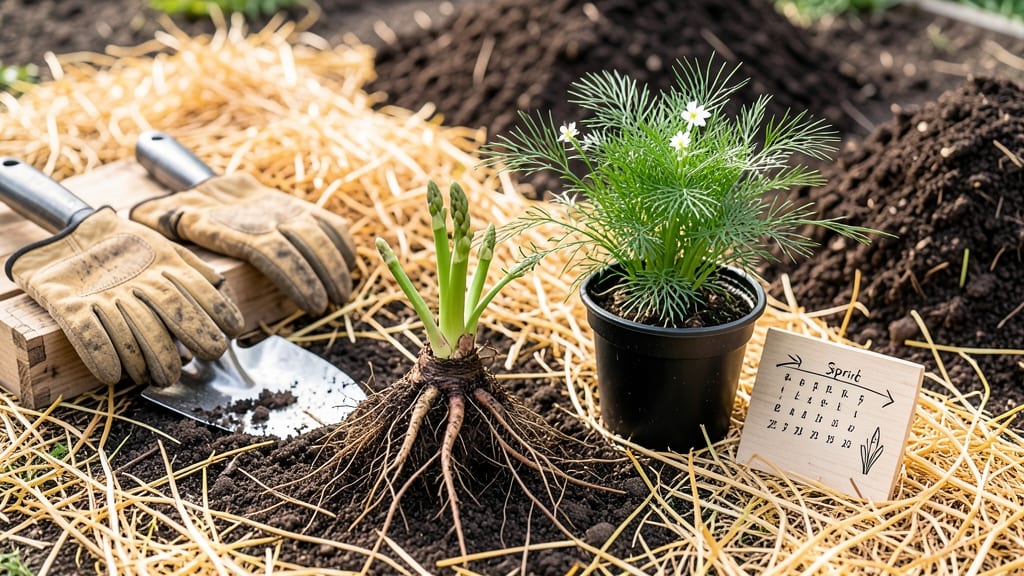
Timing your asparagus planting in Maine isn't just about the calendar—it's about beating the last frost and giving this cold-hardy vegetable the best shot at thriving in your 5b-6a zone. Plant too early, and a late freeze could wipe out your young crowns before they even establish.
But get it right, and you'll enjoy fresh spears for years with minimal effort.
Most gardeners in Maine know the struggle: rocky soil, unpredictable frosts, and short growing seasons. The key is planting 1-year-old crowns in early spring—between March and early April—when the ground is workable but the threat of frost has passed.
This window gives asparagus the 3-4 years it needs to establish a strong root system before producing spears.
Why wait? Because asparagus is a patient plant—it won’t give you spears until its second or third year, but once it does, it rewards you with a harvest that can last 10-15 years with proper care.
I’ll show you exactly how to prepare your soil, choose the right varieties, and protect your crop from Maine’s notorious late-spring frosts.
Ready to turn your garden into a spear-producing powerhouse? Let’s dive into the step-by-step guide that’ll have you harvesting asparagus like a pro—no matter how many times winter decides to make a comeback.
Best planting times for asparagus in Maine’s zones 3-5
Maine’s short growing season and late frosts demand precise timing when planting asparagus. The best window is early spring (March to early April), once soil temperatures reach 50°F (10°C) and the ground is workable.
This timing ensures crowns establish roots before summer heat arrives, while avoiding late-spring frosts that can damage tender shoots.
For fall planting, aim for late August to early September—at least 8-10 weeks before first frost. Fall-planted crowns develop roots in cool weather, emerging stronger in spring. However, this method requires heavy mulching (6+ inches) to protect against winter heaving.
Maine’s USDA zones 3-5 create microclimates with varying frost dates. In northern Maine (Zone 3), wait until after May 15 to plant, while southern Maine (Zone 5) gardeners can start as early as mid-April.
Always check your local last frost date—Portland averages May 10, but Bangor can be 2 weeks later.
| Planting Window | Soil Temp | Maine Zones | Key Consideration |
|---|---|---|---|
| Early Spring (March-April) | 50°F+ (10°C+) | 3-5 | Avoid late frosts; mulch heavily |
| Fall (Aug-Sept) | 60°F+ (15°C+) | 4-5 | 8-10 weeks before frost; protect roots |
| Never plant in: | Winter (Dec-Feb) | All | Crowns rot in frozen soil |
Spring planting is most reliable for Maine gardeners. Start by digging 12-inch-deep trenches in well-draining soil, spacing crowns 18 inches apart. Cover trenches with 6 inches of soil and mulch with straw or leaves to retain moisture.
This method mimics asparagus’s natural growth habit and prevents crowns from drying out.
If you miss spring, fall planting is your second chance. Choose 1-year-old crowns (not seeds) and plant them 4-6 weeks before ground freezes. In Zone 3, this means late August; in Zone 5, aim for early September.
Water thoroughly after planting to encourage root growth before dormancy.
Maine’s rocky soil often needs amendment before planting. Mix in 3-4 inches of compost and a balanced fertilizer (5-10-10) to improve drainage and fertility. Asparagus is perennial, so invest in soil health now—it will pay off for 10+ years of harvests.
Pro tip: Use a soil thermometer to confirm 50°F (10°C) soil temps before planting. Cold soil slows root establishment, delaying your first harvest by 1-2 years. In northern Maine, wait until after Memorial Day to be safe.
For container growing in Maine, plant crowns in 18-inch-deep pots filled with well-draining potting mix. Place containers in full sun and water consistently—pots dry out faster than garden beds. This method works well for small spaces or renters but yields 20-30% fewer spears than in-ground planting.
Remember: Patience is key with asparagus. First harvests appear 2-3 years after planting, but proper timing now ensures decades of productivity. In Maine, where summers are short, early spring planting is your best bet for a bountiful harvest.
Best planting times for asparagus in Maine’s zones 3-5
Maine’s short growing season and unpredictable late frosts demand precise timing when planting asparagus crowns. The ideal window is early spring, from March to early April, when soil temperatures reach 50°F—about 2-3 weeks before last frost.
This gives roots time to establish before summer heat arrives. For fall planting, aim for late August to early September, allowing roots to settle before winter dormancy.
In USDA Zones 3-5, asparagus thrives in Maine’s rocky soil when planted at the right time. Northern Maine (Zone 3) gardeners should wait until mid-April to avoid frost damage, while southern regions (Zone 5) can plant as early as late March.
Always check your local frost-free date—Maine’s ranges from mid-May in the north to early May in the south.
| Planting Window | Zone | Soil Temp | Key Consideration |
|---|---|---|---|
| Early Spring (March-April) | 3-5 | 50°F+ | Plant 2-3 weeks before last frost |
| Late August-September | 4-5 | 60°F+ | Allow roots to establish before winter |
| Northern Maine (Zone 3) | 3 | 55°F+ | Wait until mid-April to avoid frost |
For container gardening in Maine, plant 1-year-old crowns in 5-gallon pots with well-draining soil.
Place containers in full sun and keep soil moist—containers warm up faster than ground soil, so start 1-2 weeks later than in-ground planting. Mulching with straw or wood chips (3-4 inches) helps regulate soil temperature and retain moisture.
Never plant asparagus in wet or waterlogged soil—Maine’s spring rains can delay planting. If soil is soggy, wait until it drains well or amend with compost to improve texture. Well-draining soil is critical for preventing root rot, especially in Zone 4-5 where winters are colder and springs wetter.
After planting, water deeply to settle soil around roots. First-year plants won’t produce spears but need consistent moisture to establish strong roots. In Zone 3, protect young plants with row covers if late frosts threaten.
By Year 3, your asparagus patch will reward you with 6-8 weeks of harvests—worth the patience!
Pro tip: Mark your planting date and track frost-free days—Maine’s average is 150 days, but coastal areas may have 20-30 extra days. Adjust your planting window accordingly to maximize your harvest potential. 🌱