
Plants
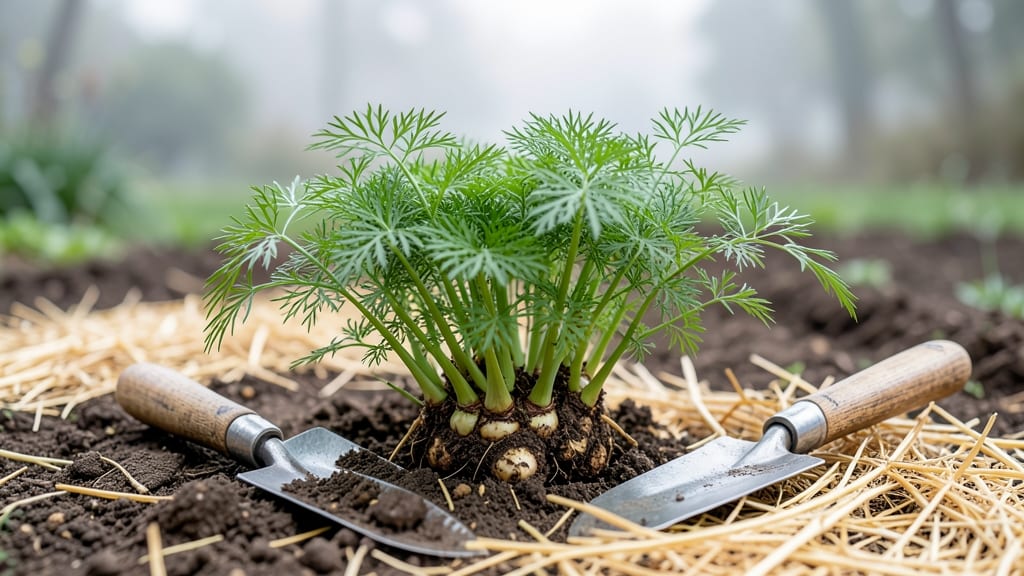
If you're dreaming of a homegrown asparagus harvest in Seattle, timing your planting is the most important step—get it wrong, and you could wait years for those first sweet spears.
The ideal window for planting asparagus crowns in Zone 8a is late winter to early spring, when soil temperatures hover just above freezing and the threat of frost starts fading.
Seattle’s unpredictable spring weather can throw off even the most careful gardeners, but understanding your last frost date—typically around March 15—gives you a clear target.
Planting too early risks frost damage to tender crowns, while waiting too long may delay root establishment, pushing back your harvest by another year or two. The key is balancing patience with action.
Once you’ve marked your calendar, preparation is everything. Well-drained soil rich in organic matter and a sunny spot will set your asparagus up for success, but the real secret lies in planting depth and spacing.
Crowns should go 6-8 inches deep and 12-18 inches apart—this might seem counterintuitive, but it’s what gives those spears room to grow strong and straight.
Ready to turn your garden into a spear-producing powerhouse? I’ll walk you through every step, from soil prep to post-planting care, so you can enjoy your first harvest in just 2-3 years. Let’s get those crowns in the ground the right way.
Seattle’s ideal asparagus planting timeline: frost dates and soil prep
Seattle’s USDA Zone 8a-8b climate demands precision when planting asparagus crowns. The last average frost date is around March 15, but cold snaps can linger—especially in microclimates like the Puget Sound lowlands.
Planting too early risks frost damage to tender shoots, while waiting too long delays root establishment, pushing back your first harvest by a year.
For optimal spear production, aim to plant asparagus crowns in late February to early March. This window ensures roots establish before the soil warms to 50°F (10°C), the minimum temperature for active growth.
In warmer microclimates (like urban heat islands), you can push planting to mid-March, but always check your local frost-free date.
Soil preparation is just as critical as timing. Asparagus thrives in well-draining soil with a pH between 6.5 and 7.5. Seattle’s acidic, clay-heavy soils often need amending with compost or aged manure to improve drainage and fertility.
Work in a 2-3 inch layer of compost and a balanced fertilizer (10-10-10) into the top 12 inches of soil before planting.
| Stage | Action | Seattle-Specific Tip |
|---|---|---|
| Soil Prep (6-8 weeks before planting) | Test pH; amend with lime if below 6.5 | Seattle’s soil is naturally acidic—aim for 6.5-7.5 |
| Planting Window | Late February–Early March | Wait until soil reaches 50°F (10°C) for root growth |
| Frost Protection | Use row covers if late frost predicted | Seattle’s March can bring unexpected cold snaps |
| First Harvest | Year 3, late May–June | Spears appear when soil warms to 60°F (15°C) |
Seattle’s cool, wet springs can delay soil warming, so monitor soil temperature with a thermometer.
If the ground stays below 50°F (10°C) past April 1, hold off planting until conditions improve. Container growing is an option for microclimates with slower warming, but ensure pots have drainage holes to prevent root rot from Seattle’s frequent rains.
Another Seattle-specific challenge is compacted soil from heavy winter rains. Loosen the soil to a depth of 12 inches before planting to encourage root penetration. Mix in coarse sand or perlite if your soil feels dense.
Asparagus roots grow deeply, so improving drainage now prevents waterlogged roots later, which can stunt growth.
For maximum yield, choose a sunny, sheltered location protected from winter winds. While asparagus tolerates partial shade, 6+ hours of sun is ideal for spear production.
In Seattle, this often means planting near south-facing walls or fences, which absorb heat and extend the growing season by 2-3 weeks.
Protect young plants with row covers or cloches if late frosts threaten after planting. Seattle’s April frosts can damage tender shoots, but a simple floating row cover raises soil temperature by 5-8°F (3-5°C), giving your asparagus a head start.
Remove covers once consistent daytime temps exceed 60°F (15°C) to avoid overheating.
Remember, patience is key with asparagus. While you’ll see foliage in year one, the first harvestable spears won’t appear until year three. Proper planting timing and soil prep now ensure a productive asparagus bed for 15-20 years—far longer than most garden crops!
If you’re eager to harvest sooner, consider pre-sprouted crowns or container-grown plants, which can enter the spear-producing stage 6-12 months earlier than traditional crowns. Just be prepared for a slightly higher upfront cost.
Seattle’s ideal asparagus planting timeline: frost dates and soil prep
Seattle’s USDA Zone 8a-8b climate means asparagus crowns should go in the ground when soil temperatures hit 50°F (10°C)—typically between late February and early March. This timing avoids late frosts (average last frost: March 15) while giving roots time to establish before summer heat arrives.
For maximum success, aim to plant 4-6 weeks before your last frost date. In Seattle, this usually lands in mid-February to early March. Fall planting is not recommended due to winter rains and potential rot before dormancy sets in.
Here’s what you need to know about soil preparation before planting:
| Requirement | Specification |
|---|---|
| Soil Temperature | 50°F (10°C) or warmer |
| pH Level | 6.5-7.5 (neutral) |
| Drainage | Well-draining (avoid clay) |
| Organic Matter | 3-4 inches of compost |
| Sunlight | 6+ hours full sun daily |
Test your soil’s pH and drainage 2-3 weeks before planting. Seattle’s acidic soils often need lime adjustments, while heavy clay benefits from raised beds or sand amendments. Work in well-rotted compost to improve fertility and structure.
Once your bed is prepped, plant crowns immediately—they establish best when roots aren’t left exposed. In Seattle’s cool, wet springs, cover newly planted beds with straw mulch (3-4 inches) to protect crowns from temperature swings and erosion.
Remember: Patience is key—asparagus takes 2-3 years to produce harvestable spears, but proper timing now ensures a decade-long harvest with minimal maintenance after establishment.