
Plants
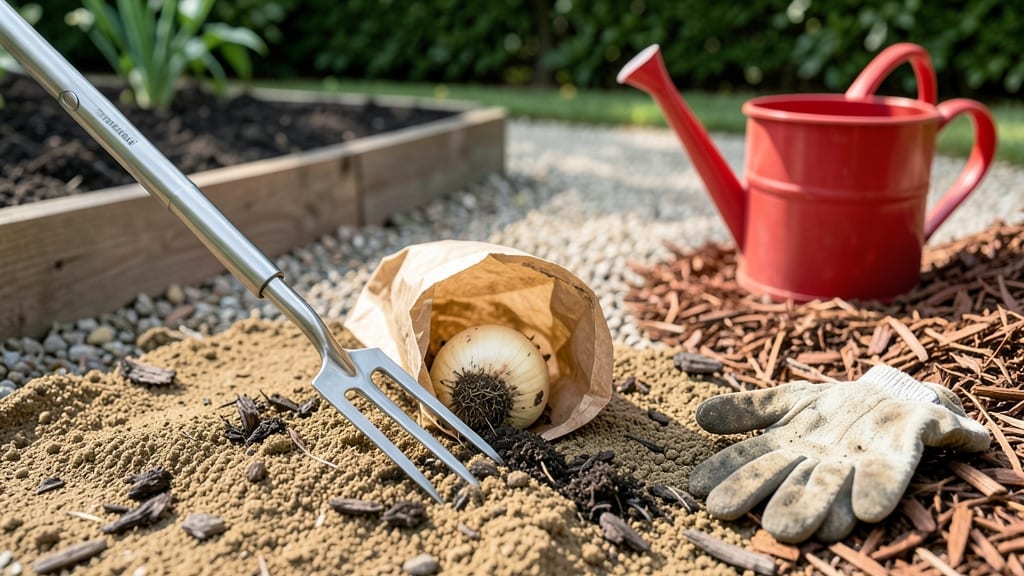
Timing your Asiatic Lily bulb planting just right in spring can mean the difference between vibrant summer blooms and disappointment. Whether you're in Zone 6a or further south, getting those bulbs in the ground at the perfect moment ensures strong roots before the heat sets in.
Most gardeners wait until after the last frost—typically mid to late spring—when soil temperatures hit 50°F. This window (usually April or May) gives your 🌸 Asiatic Lilies the head start they need to thrive.
But don’t rush—planting too early risks frost damage, while waiting too long may leave them struggling to establish before summer.
I’ve learned the hard way that soil prep matters just as much as timing. Loose, well-draining soil and full sun are non-negotiables for these showstoppers. Let me walk you through the exact steps to set your bulbs up for bold, healthy blooms this season.
From regional adjustments to common mistakes, this guide covers everything you need to know. Ready to transform your garden with stunning Asiatic Lilies? Let’s get started.
Best spring planting dates for Asiatic lily bulbs by USDA hardiness zone
Planting your Asiatic lily bulbs at the right time in spring ensures they establish strong roots before summer heat arrives. The key is waiting until after your last frost date—typically 2-3 weeks after that date—when soil temperatures reach at least 60°F (15°C).
This timing varies dramatically by USDA hardiness zone, so let's break it down for you.
For gardeners in Zones 3-5, the ideal window is usually mid-April to early May, while those in Zones 6-7 can plant as late as mid-May to early June.
In Zone 8 and warmer, you might even plant in late winter or early spring (February-March) since frost is rare. Always check your local last frost date—this is non-negotiable for bulb success.
Here's where many gardeners go wrong: planting too early when soil is still cold (below 50°F/10°C) causes bulbs to rot. Conversely, planting too late (after June) risks stunted growth before summer heat sets in. Let's look at your exact planting window by zone.
| Zone | Ideal Planting Window | Soil Temp Threshold | Key Consideration |
|---|---|---|---|
| 3-4 | Late April - Early May | 60°F (15°C) | Wait for consistent daytime temps above 50°F (10°C) |
| 5-6 | Mid-April - Late May | 55°F (13°C) | Northern states: use row covers for early planting |
| 7-8 | March - Early June | 50°F (10°C) | Southern states: can plant as early as February |
| 9-10 | January - March | 45°F (7°C) | Plant in winter for spring blooms; mulch heavily |
If you're unsure about your last frost date, check with your local Cooperative Extension Service or use online tools like the National Garden Association's frost calculator. Pro tip: Plant bulbs 2-3 weeks before your ideal window if you're in a cooler microclimate—this gives them a head start.
For container gardening, you can plant slightly earlier since pots warm up faster. Just ensure your containers have drainage holes and use a lightweight potting mix to prevent rot. In containers, bulbs also benefit from being moved to a sheltered spot if late frosts threaten.
Remember that Asiatic lilies need 6-8 weeks of warm soil before summer heat to establish roots properly. Planting too close to summer means bulbs may struggle to bloom.
If you miss the spring window, don't worry—you can plant in early fall (6-8 weeks before first frost) for spring blooms the following year.
One common mistake is planting bulbs when the soil is still soggy from spring rains. Wait until the ground is workable but not bone-dry. A simple test: squeeze a handful of soil—if it crumbles when dry but holds shape when wet, it's ready.
This balance is crucial for preventing both rot and dehydration.
For northern climates, consider using black plastic mulch after planting to warm the soil faster. In southern climates, provide afternoon shade during extreme heat to protect newly planted bulbs. Both strategies help create the ideal 60-70°F (15-21°C) soil temperature range for root development.
Finally, mark your planting date on a calendar or use planting sticks to track growth progress. This helps you adjust care (like watering and fertilizing) based on the 60-90 day timeline until summer blooms appear.
With the right timing, your Asiatic lilies will reward you with bold, vibrant flowers that last for weeks!
Best spring planting dates for Asiatic lily bulbs by USDA hardiness zone
Timing your Asiatic lily bulbs correctly in spring ensures they establish strong roots before summer heat. The ideal window is 2-3 weeks after your last frost date, when soil temperatures reach 55°F (13°C).
This timing varies dramatically by USDA hardiness zone, so let’s break it down for your region.
For Zones 3-5, aim for mid-April to early May—these cooler climates need extra time for bulbs to wake up. In Zones 6-7, plant between late March and mid-April to avoid summer drought stress.
Southern gardeners in Zones 8-10 can plant as early as February, but monitor soil moisture closely.
Pro Tip: Use your local frost date as a starting point, then add 21 days to account for bulb establishment. Check your USDA zone map if unsure—it’s your planting GPS!
If you’re in a transition zone (like Zone 5b-6a), err on the later side—better to wait a week too long than plant too early. Early planting risks rot from cold, wet soil, while late planting may delay blooms until late summer.
For container gardening, plant bulbs 3-4 weeks earlier than ground planting—they warm up faster. Just ensure pots have drainage holes and use a lightweight potting mix to prevent soggy roots.
Remember: Asiatic lilies thrive on 6+ hours of sun daily, so choose a spot that gets morning sunlight at minimum. Mulch after planting to retain moisture and regulate soil temperature.