
Plants
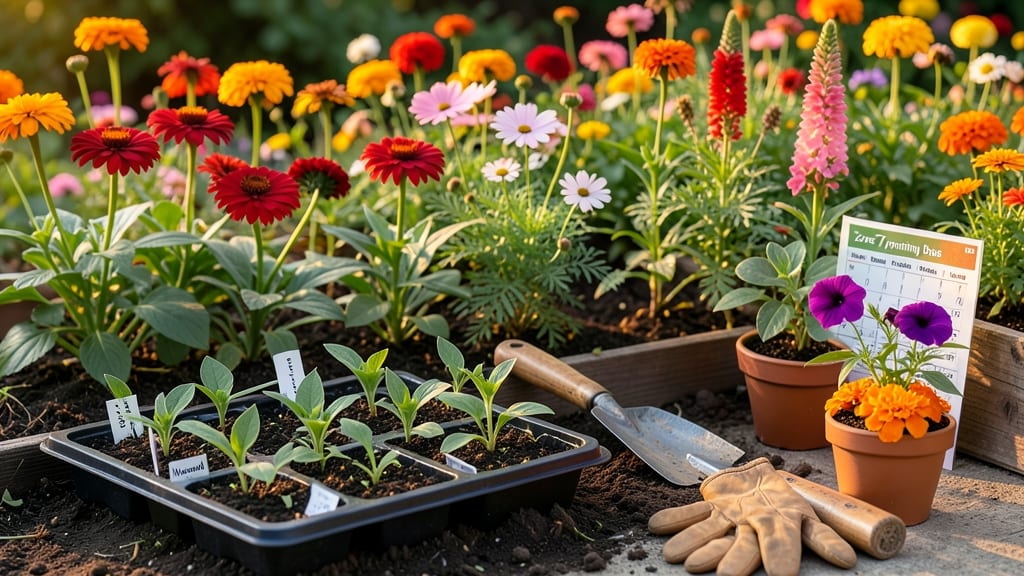
Knowing when to plant annuals in Zone 7 can mean the difference between a vibrant garden and a sad, wilted disappointment—especially when you’re staring at frost warnings one week and heat advisories the next.
The key isn’t just avoiding the last frost (though that’s critical); it’s understanding how your 🌸 annuals behave when temperatures swing from chilly mornings to scorching afternoons.
Zone 7 gardeners have a unique advantage: a 190-day frost-free window that lets you grow everything from cold-hardy pansies to heat-loving tomatoes—but only if you plant them at the right time.
Get it wrong, and you’ll either lose delicate seedlings to late frosts or watch your summer crops bolt into flower too soon. The good news? With the right timing, you can stretch your growing season from early spring to late fall.
In this guide, I’ll break down the exact weeks to plant your favorite annual flowers, vegetables, and herbs in Zone 7, including when to start seeds indoors and when to transplant tender varieties.
You’ll also discover how to work with your local microclimate—whether you’re in a cooler valley or a hotter urban area—to maximize your garden’s potential.
Ready to turn your garden into a year-round showstopper? Let’s dive into the perfect planting schedule for Zone 7’s most popular annuals, so you can enjoy blooms, veggies, and herbs without the guesswork.

Zone 7 planting calendar: exact weeks for cold-hardy annuals
Zone 7’s last average frost date of March 15 marks the starting line for cold-hardy annuals, but soil temperature and microclimates can shift that window by 2-4 weeks.
Coastal areas like Savannah, GA may see frost-free conditions by February 28, while inland cities like Raleigh, NC often wait until April 1.
For direct-sown annuals like pansies and sweet peas, start seeds 4-6 weeks before your last frost date. In Zone 7, that means mid-February to early March for most gardeners. These frost-tolerant varieties can handle light frosts down to 20°F, making them ideal for early spring color.
Heat-sensitive varieties like snapdragons and stock must be started indoors 8-10 weeks before transplanting. Begin these seeds by January 15 to ensure they’re ready for late March outdoor planting. Use grow lights if natural light is limited during winter.
Soil temperature is critical—most cold-hardy annuals thrive when soil reaches 45-50°F. Use a soil thermometer to monitor conditions. If soil is below 40°F, delay planting or use row covers for protection.
Here’s your Zone 7 cold-hardy annual planting timeline, tailored to frost dates and soil readiness:
| Variety | Direct Sow Window | Transplant Window | Notes |
|---|---|---|---|
| Pansies | Feb 15 - Mar 15 | Mar 1 - Apr 15 | Tolerates light frost; great for early color. |
| Sweet Peas | Feb 1 - Mar 10 | Mar 15 - Apr 1 | Needs trellis; sow early for spring blooms. |
| Snapdragons | Indoors Jan 15 | Apr 1 - May 1 | Heat-sensitive; transplant after last frost. |
| Stock (Matthiola) | Indoors Jan 1 | Mar 20 - Apr 10 | Fragrant; loves cool weather. |
| Calendula | Feb 20 - Apr 1 | Apr 10 - May 15 | Edible petals; tolerates partial shade. |
For coastal Zone 7 gardeners, advance planting by 2-3 weeks due to milder winters. Inland areas should wait until after April 1 to avoid late frosts. Always check your local Almanac’s frost predictions for precision.
If you’re planting for fall color, repeat the process in late summer. Start seeds indoors by July 15 for varieties like pansies and stock, aiming for September transplanting to bloom before frost.
Pro tip: Use biodegradable pots for transplants to avoid root disturbance. Water deeply after planting to settle soil and encourage root growth in cool, moist conditions.
✂️
Heat-loving annuals in Zone 7: when to avoid early planting
Planting heat-loving annuals like tomatoes, basil, and marigolds too early in Zone 7 can trigger bolting (premature flowering) or stunted growth. These varieties thrive only after soil temperatures consistently hit 60°F+, which typically occurs 2-4 weeks after your last frost date.
Rushing the process often leads to leggy, weak plants that struggle to produce fruit or blooms.
In Zone 7, the danger zone for early planting spans from mid-March to early April, depending on your microclimate. Coastal areas may warm faster, while inland regions can linger in 50°F soil well into April.
Always check soil temps with a soil thermometer—it’s the most reliable gauge for heat-sensitive annuals.
Here’s the critical rule: Wait until late April to early May for most warm-season annuals. This timing aligns with Zone 7’s average last-frost date of March 15 but accounts for the 2-3 week lag needed for soil to warm.
Transplanting too soon risks exposing young plants to nighttime chills, which can shock their development.
⚠️ Common Mistakes to Avoid
- Planting tomatoes before soil hits 60°F → Root rot and slow growth
- Skipping hardening off seedlings → Transplant shock from temperature swings
- Ignoring microclimates (e.g., south-facing beds warm faster) → Uneven maturity
Pro Tip: Use row covers or cold frames to extend your planting window by 1-2 weeks for heat-lovers.
For okra and zinnias, which tolerate higher heat, you can push planting to mid-May in Zone 7’s hottest microclimates (like urban heat islands). These varieties often handle 80°F+ soil better than tomatoes or peppers, making them ideal for succession planting later in the season.
Monitor your local extended forecast for heatwaves after planting. Sudden temperature spikes can cause blossom drop in tomatoes or scorched leaves in basil. Mulching with straw or wood chips helps regulate soil temps and retain moisture during these critical early weeks.
If you’re eager to start earlier, consider container gardening with heat mats or black plastic mulch to warm soil faster. Just remember: Patience pays off—rushing heat-loving annuals in Zone 7 often means sacrificing yield and vigor for the entire season.