
Plants
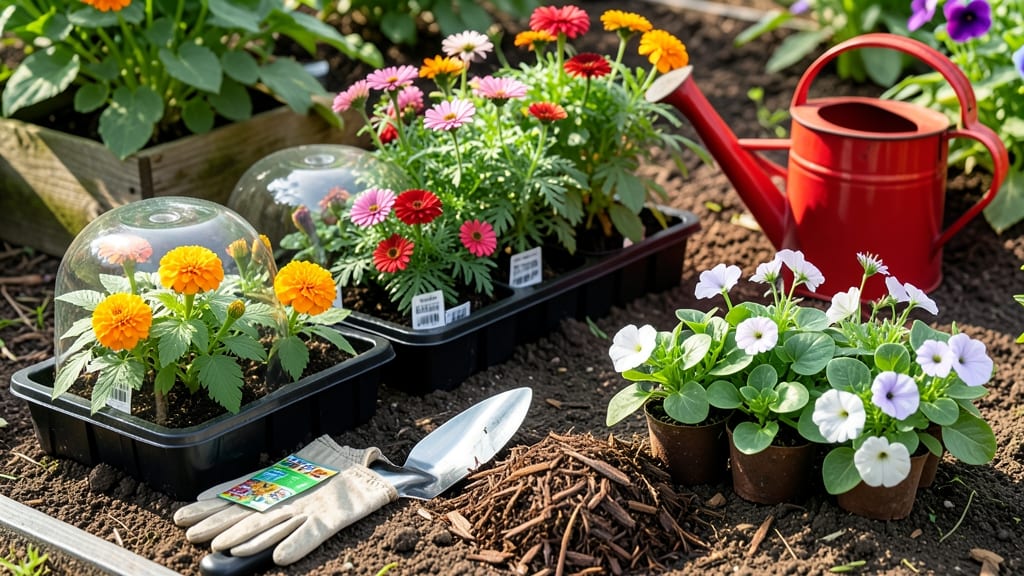
Timing your annuals planting in Maryland isn’t just about following a calendar—it’s about outsmarting frost, humidity, and microclimates that can turn your garden dreams into a 5-minute disappointment.
Whether you're growing 🌸 marigolds in Baltimore or basil in Garrett County, planting too early or late means frost will steal your harvest before it even starts.
Maryland’s 7a-7b zones give you two prime windows: spring (March–May) and fall (August–September), but the devil’s in the details. Coastal areas like Annapolis warm up faster than Frederick’s Piedmont, while Western Maryland’s higher elevations play by their own rules.
Get this wrong, and your petunias or lettuce could end up as frost-snack for hungry critters.
Don’t stress—I’ve broken down the exact county-by-county planting deadlines so you can avoid these mistakes. You’ll learn how to stretch your growing season with simple tricks, like row covers and succession planting, and which annuals are tough enough to handle Maryland’s mood swings.
Let’s get your garden thriving before the first frost even thinks about showing up.
Ready to turn your Maryland yard into a blooming, bountiful paradise? The clock’s ticking—spring’s perfect window is closing faster than you think. Let’s make sure your annuals get the head start they deserve.
Maryland county planting zones: frost dates by region (2024 guide)
Maryland’s gardening calendar isn’t one-size-fits-all—your last frost date in Baltimore County (around April 15) can differ by 2 weeks from Garrett County’s May 1 average. These regional shifts determine whether your tomatoes or marigolds survive their first spring.
Below, I’ve broken down Maryland’s 5 key planting zones with frost-free windows tailored to your county.
For warm-season annuals (like peppers and basil), wait until soil temps hit 60°F—usually 2-3 weeks after your last frost date. Cool-season crops (e.g., spinach, pansies) can handle light frosts and often go in 4-6 weeks before your first frost.
Pro tip: Use a soil thermometer to confirm readiness—50°F is the magic number for most seeds.
| Zone | Last Frost Date | First Frost Date | Warm-Season Planting Window | Cool-Season Planting Window |
|---|---|---|---|---|
| Coastal (Baltimore, Anne Arundel) | April 10–15 | November 1–5 | April 20–May 10 | August 15–September 15 |
| Piedmont (Frederick, Howard) | April 15–20 | October 31–November 5 | May 1–May 15 | August 1–September 10 |
| Central (Montgomery, Prince George’s) | April 12–18 | November 1–7 | April 25–May 10 | August 10–September 12 |
| Western (Washington, Allegany) | April 25–May 1 | October 25–November 1 | May 10–May 20 | July 20–August 15 |
| Appalachian (Garrett, Allegany Mountains) | May 1–5 | October 15–20 | May 20–June 1 | July 1–August 10 |
Notice how Western Maryland’s later frost dates push warm-season planting into late May? That’s why zucchini and cucumbers often struggle there—plant fast-maturing varieties like ‘Eight Ball’ zucchini (55 days to harvest) to beat the clock.
For fall planting, aim to sow seeds 6-8 weeks before your first frost date, or use transplants for a head start.
Microclimates matter too! A south-facing slope in Frederick County might warm up 1 week earlier than a shady valley. Observe your yard: Urban Baltimore’s pavement holds heat, while rural Garrett County’s elevation delays warming.
Adjust your planting by 3–7 days based on local conditions—your neighbors’ frost dates aren’t gospel.
For Baltimore City gardeners, urban heat islands can shift frost dates by 5–10 days earlier in spring. If you’re in a concrete-heavy area, test soil temps weekly starting in March.
In contrast, mountain regions like Deep Creek Lake may see frost as late as June 1—plan for late-summer plantings of cool-season crops like
Maryland county planting zones: frost dates by region (2024 guide)
Maryland’s last frost dates vary dramatically from the Coastal Plain to the Appalachian Mountains. In Baltimore County, you can plant warm-season annuals like tomatoes and marigolds by April 15, while Garrett County gardeners should wait until May 1 to avoid frost damage.
These differences mean your planting timeline depends entirely on where you live in the state.
For cool-season annuals like lettuce and pansies, the opposite is true—plant in early spring (March) or late summer (August) to avoid heat stress. The key is understanding your USDA Zone (7a-7b) and local microclimates, like urban heat islands in Annapolis or cooler valleys in Frederick.
Below, I’ve broken down the critical frost dates for Maryland’s five main gardening regions.
| Region | Last Frost Date | First Frost Date | Warm-Season Planting Window | Cool-Season Planting Window |
|---|---|---|---|---|
| Coastal Plain (e.g., Baltimore, Annapolis) | April 10-15 | November 5-10 | April 15 - May 1 | March 1-15 or August 15-30 |
| Piedmont (e.g., Frederick, Hagerstown) | April 15-20 | October 30 - November 5 | April 20 - May 10 | March 10-25 or August 1-15 |
| Appalachian (e.g., Garrett, Allegany) | May 1-10 | October 15 - 25 | May 10 - 20 | March 15-30 or July 30 - August 10 |
If you’re in Western Maryland, like Cumberland or Hagerstown, aim for May 1 to plant warm-season annuals. These areas experience later frosts due to higher elevations, so tomatoes, peppers, and basil need extra protection if planted early.
For Coastal Maryland, like Annapolis or Calvert County, you can start marigolds and zinnias as early as April 1, but always monitor soil temperatures—they should stay above 55°F for germination.
For fall planting, count back 6-8 weeks from your first frost date. In Baltimore, that means starting cool-season annuals like kale and snapdragons by August 15, while Garrett County gardeners should begin by July 20.
Succession planting—sowing seeds every 2-3 weeks—ensures a continuous harvest of lettuce, radishes, and spinach until frost.
Pro tip: Use a soil thermometer to confirm warmth before planting. Warm-season annuals like petunias and vinca won’t thrive in cold soil, even if air temperatures are mild. In humid Maryland summers, prioritize well-draining soil and morning watering to prevent fungal diseases like powdery mildew.
Remember, these dates are averages. Check your local Cooperative Extension Service for updates, or use a frost calendar app to track real-time conditions. With the right timing, your Maryland annuals will bloom all season long! 🌸