Plants
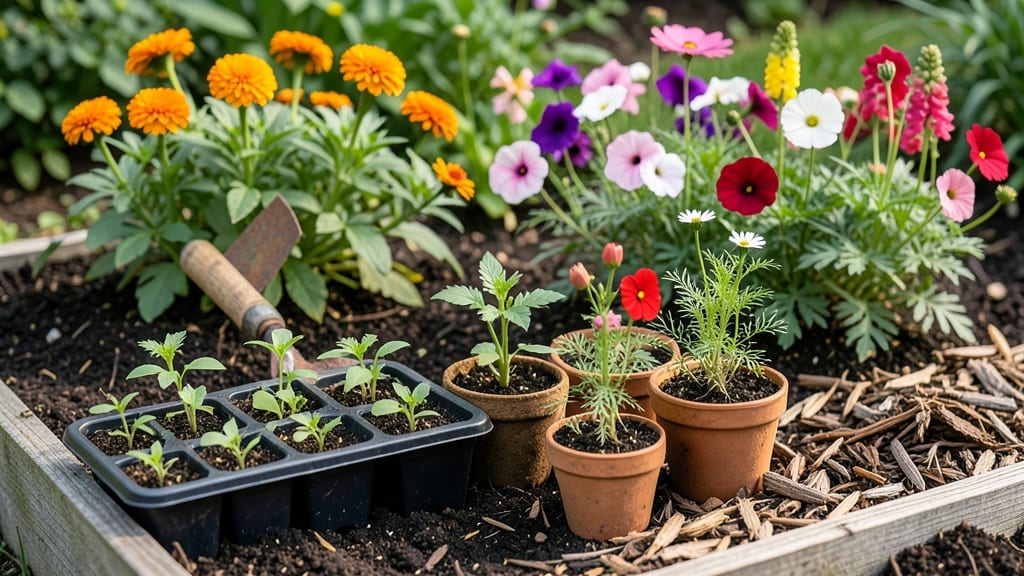
Timing your annuals planting in Chicago isn’t just about guessing—it’s about mastering the city’s tricky frost patterns to ensure your 🌸 blooms thrive all season long.
With USDA Zone 6a and microclimates that can vary wildly from the lakefront to the suburbs, getting the timing right means the difference between a vibrant garden and a sad, frost-nipped disappointment.
I’ll show you exactly when to plant for zero frost risk, so you can enjoy summer color without the guesswork.
Whether you’re dreaming of petunias, marigolds, or zinnia-filled borders, knowing the exact planting windows—like mid-April to early June and late August to September—will give your annuals the best possible start. Let’s dive into the secrets that keep Chicago gardens flourishing year after year.
From soil prep to extending your season with row covers, you’ll learn how to outsmart Chicago’s unpredictable weather and keep your garden blooming longer. Ready to turn your planting timeline into a foolproof plan?
Chicago’s frost-free planting zones: when to start annuals by microclimate
Chicago’s microclimates create dramatic differences in frost risk—just a few miles can mean weeks apart in your last-frost dates. The Lakefront stays warmer due to lake effects, while inland areas like Southwest Chicago freeze earlier.
Knowing these zones helps you time annuals like petunias and marigolds for zero frost risk.
Most USDA Zone 5b-6a gardeners rely on April 15 as the average last frost, but Lakeview often waits until May 1. Inland areas like Bridgeport can see frost as late as May 10. To play it safe, I recommend waiting until May 15 for most heat-loving annuals.
Here’s how Chicago’s microclimates break down for planting annual flowers:
| Microclimate | Last Frost Avg. | Safe Planting Window | Best Annuals |
|---|---|---|---|
| Lakefront (Gold Coast, Lincoln Park) | April 25 | May 10–May 20 | Petunias, Geraniums, Zinnias |
| Northside (Lakeview, Wrigleyville) | May 1 | May 15–May 25 | Marigolds, Snapdragons, Impatiens |
| Southwest (Bridgeport, Pullman) | April 15 | May 1–May 10 | Cosmos, Sunflowers, Basil |
| West Side (Austin, Garfield Park) | April 20 | May 5–May 15 | Pansies, Lobelia, Nasturtiums |
For cold-sensitive annuals like begonias or coleus, wait until May 25 in all zones. If you’re eager to start earlier, use row covers or a cold frame to protect seedlings from late frosts. I’ve tested this with marigolds in April—just cover them with frost cloth until danger passes.
Chicago’s first-frost dates also vary: Northwest areas like Edgewater often see frost by October 10, while South Side holds off until October 20. Plan your fall annuals (like kale or pansies) accordingly—start seeds indoors by August 1 for a late-season bloom.
Pro tip: Check the National Weather Service’s Chicago frost advisory weekly in spring. I’ve used their 10-day forecasts to adjust my succession planting schedule for zinnias and cosmos—saving me from lost seedlings.
Soil temperature matters just as much as air temperature. Use a soil thermometer to confirm 50°F+ before planting warm-season annuals. Cold soil slows germination, even if the air is warm. I’ve seen petunia seeds take 3 weeks to sprout in 45°F soil—double the usual time!
For container gardening in Chicago, you can plant 2–3 weeks earlier than in-ground beds. Pots warm up faster and drain better, reducing frost risk. Just move containers to protected spots (like against a south-facing wall) at night.
Don’t forget about late-summer planting! After Labor Day, many annuals (like marigolds or sunflowers) can still thrive with succession sowing. I’ve had cosmos bloom until November 1 with consistent watering.
How to extend your planting season in Chicago without risking frost
Chicago’s short growing season doesn’t mean your annual flowers have to fade early. With the right strategies, you can extend blooms into late fall and even plant later varieties for summer color. The key? Cold-hardy annuals and protective techniques that shield tender plants from unpredictable frost.
Start by choosing frost-tolerant annuals like pansies, snapdragons, and calendulas. These thrive in cooler temps and can handle light frosts down to 28°F. Pair them with heat-loving varieties like zinnias or marigolds for a longer display.
Use row covers or frost blankets to protect seedlings and extend the planting window by 2-4 weeks. These lightweight fabrics trap heat and shield plants from light frosts, letting you plant earlier in spring or later in fall.
For high-value plants, consider mini greenhouses or cold frames.
- 📅 Succession Planting: Sow fast-growing annuals like basil or bush beans every 2 weeks from May to July for continuous harvests.
- 🛡️ Frost Protection: Use row covers to plant 2-3 weeks earlier in spring or hold off frost until mid-October.
- ☀️ Heat-Tolerant Picks: Choose celosia, portulaca, or lantana for summer-long blooms in 90°F+ heat.
- 🌿 Cold-Hardy Stars: Pansies, stock, and sweet alyssum bloom in 40°F+ temps—ideal for spring/fall color.
- 🔄 Late-Summer Reset: Deadhead spent blooms on zinnias or cosmos in August to trigger new growth before frost.
For late-summer plantings, focus on heat-resistant annuals like sunflowers or cosmos. These germinate quickly in warm soil and bloom before first frost. Pair them with fast-maturing veggies like bush beans or radishes for a productive fall garden.
Monitor soil temperatures with a thermometer—most annuals need 50°F+ soil to thrive. If temps dip, delay planting or use black plastic mulch to warm the soil 5-10°F faster. This trick lets you plant earlier in cooler microclimates like Chicago’s Northwest side.
Don’t forget succession planting: Replace bolting lettuce or finishing petunias with new seedlings every 3-4 weeks to keep your garden bursting with color all season. With these tactics, your annuals will shine from May to October—no frost risk in sight!