
Plants
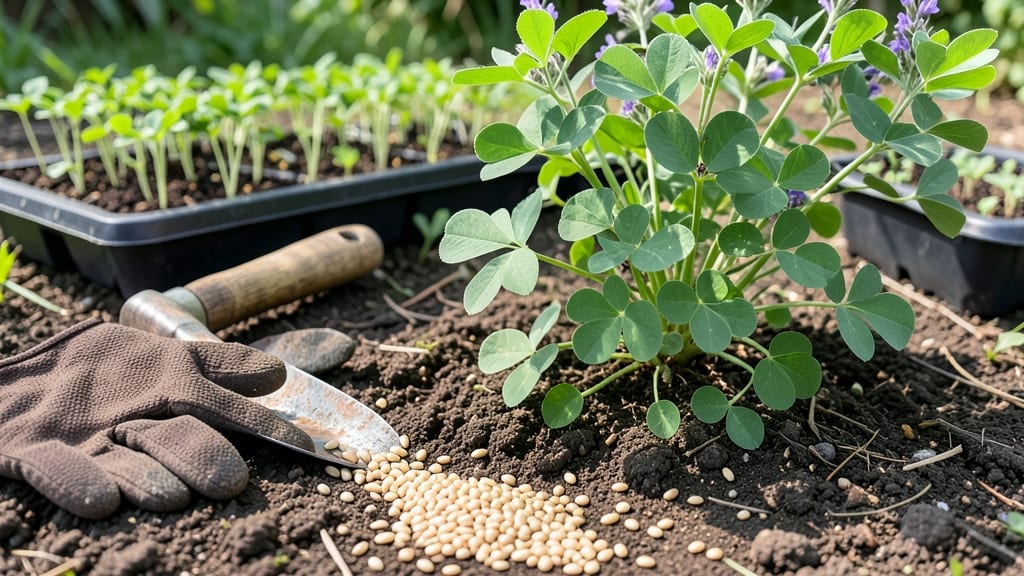
Timing your alfalfa planting in Missouri could mean the difference between a thriving 🌱 crop and one that struggles to take root. With USDA Zones 5b-6b bringing unpredictable frost dates and soil conditions, getting the window right is everything.
Most gardeners in Missouri swear by early spring planting—between March and April—when soil temperatures climb above 50°F and the threat of frost recedes. But late summer planting in August can also work, especially in warmer southern regions like the Bootheel.
Whether you're a first-time grower or a seasoned farmer, understanding these key planting periods will help you avoid common pitfalls like weak stands or poor germination. Let’s break down the exact months and conditions that set up your alfalfa for success.
You’ll discover how to adjust for Missouri’s microclimates, from the cooler Ozarks to the warmer lowlands, and why soil prep matters just as much as the calendar. Ready to grow alfalfa that thrives? Let’s get started.
Best planting months for alfalfa in Missouri’s zones 5b/6a (with frost risk guide)
Alfalfa thrives in Missouri’s USDA Zones 5b/6a, but getting the timing right means the difference between a lush, high-protein forage crop and a disappointing failure. The ideal planting window is early spring—specifically mid-March to mid-April—when soil temperatures consistently reach 50°F (10°C) at a 2-inch depth.
This ensures rapid germination and strong early growth before summer heat sets in.
For home gardeners and small-scale farmers, this timing aligns with Missouri’s average last frost dates: April 15 in northern zones (like Columbia) and March 30 in southern regions (like Springfield).
Planting too early risks frost damage or slow germination, while waiting too late can lead to stunted growth before the first harvest. The key is patience—wait until the soil is workable and warm.
Missouri’s frost-free season typically spans 180 days, giving alfalfa plenty of time to establish before winter. However, fall planting (August–September) is also possible in Zone 6a areas, where milder winters reduce frost risk. This second window lets seeds germinate in cool but frost-free soil, avoiding the heat stress of late-summer planting.
Here’s the critical frost risk breakdown for Missouri’s alfalfa growers:
For maximum yield potential, aim to establish alfalfa by May 1 in Zone 5b and April 15 in Zone 6a. This timing ensures seedlings have 6–8 weeks of growth before summer’s peak heat, which can stress young plants. First-cut harvests typically occur 70–90 days after planting, so early establishment is non-negotiable for a productive first year.
Missouri’s microclimates add another layer of complexity. The Ozark Mountains (Zone 5b) experience cooler soils and later frost dates, often delaying planting by 1–2 weeks compared to the Bootheel (Zone 6a).
Use a soil thermometer to confirm readiness—alfalfa seeds won’t germinate below 50°F, even if the air is warm. In cooler areas, consider black plastic mulch to warm the soil faster.
One common mistake? Planting alfalfa too early and risking frost damage or damping off.
If you’re eager to start, prepare your seedbed in late February but hold off on sowing until soil temps stabilize. Seed depth is another critical factor: plant ¼ inch deep for consistent moisture and even emergence.
Deeper planting can lead to poor germination, while shallow planting risks drying out.
For organic growers, focus on soil health before planting. Alfalfa is a nitrogen-fixing legume, so it thrives in well-drained, slightly alkaline soil (pH 6.5–7.5). Conduct a soil test in fall or early winter to amend with lime or compost as needed.
Avoid fresh manure, which can burn seedlings due to high ammonia levels.
Pro tip: If you’re planting in sandy soil (common in western Missouri), mix in compost or peat moss to retain moisture. Alfalfa’s deep taproots need consistent moisture, but waterlogged soil can cause root rot.
Aim for 1–1.5 inches of water per week during establishment, focusing on deep, infrequent watering to encourage root growth.
Remember, alfalfa is a perennial crop with a 2–3 year lifespan, so first-year yields are minimal. Prioritize strong stands over early harvests—thin seedlings to 4–6 inches apart once they reach 3–4 inches tall to reduce competition. This step is non-negotiable for long-term productivity.
How to adjust planting dates for Missouri’s microclimates (Ozarks vs. Bootheel)
Missouri’s geography creates two distinct alfalfa-growing zones: the cooler Ozark Highlands (Zone 5b) and the warmer Bootheel Lowlands (Zone 6a). These microclimates demand different planting strategies to avoid frost damage or heat stress.
In the Ozarks, where last frost dates often linger until mid-April, I recommend delaying spring planting until late April to ensure soil warms to 50°F+. Meanwhile, the Bootheel’s warmer microclimate allows earlier planting in early March—just be prepared for potential spring rains that can delay germination.
Soil preparation is your secret weapon in these regions. In the Ozarks, I use black plastic mulch to warm soil faster, while in the Bootheel, I focus on drainage improvements to prevent waterlogging during the region’s wet springs.
Both areas benefit from soil testing—aim for a pH of 6.5-7.5—but the Ozarks may need lime amendments due to naturally acidic soils. Never skip this step, as poor soil pH directly impacts alfalfa’s nitrogen-fixing ability.
| Region | Ideal Planting Window | Soil Temp Threshold | Key Adjustment |
|---|---|---|---|
| Ozark Highlands (Zone 5b) | Late April - Early May | 50°F+ (10°C+) | Use black plastic mulch to warm soil |
| Bootheel Lowlands (Zone 6a) | Early March - Mid-April | 45°F+ (7°C+) | Improve drainage for wet springs |
| Both Regions | Late August - Early September (fall option) | 60°F+ (15°C+) | Test soil pH before planting |
For fall planting—my preferred backup strategy—timing shifts dramatically. In the Ozarks, I target late August to ensure seedlings establish before first frost (mid-October). The Bootheel can extend this to early September, but I monitor NOAA frost predictions closely.
Pro tip: Use drought-resistant varieties like 'Ladak' in the Ozarks, where summer droughts are common, while 'Wisconsin Common' thrives in the Bootheel’s humid conditions.
One mistake I see often? Assuming all of Missouri follows the same schedule. The Ozarks’ higher elevation means 2-3 weeks later planting than the Bootheel. I once planted alfalfa in early April in Springfield (Zone 5b) and lost 30% of my stand to late frost.
Since then, I’ve used local weather stations (like the Missouri Mesonet) to track soil temperatures at 4-inch depth—the gold standard for alfalfa planting readiness.
If you’re unsure about your microclimate, start with small test plots in both spring and fall. Track germination rates and stand density—this data will show you what works best for your specific location. Remember, alfalfa’s deep roots mean it’s resilient once established, but getting that first stand right is everything.
For extra insurance, I always plant 10% extra seed in cooler regions to account for potential frost or poor germination.
For drought-prone areas, consider alfalfa mixes with clover to improve soil structure and water retention. In the Bootheel’s wetter soils, I recommend raised beds to prevent root rot.
And no matter where you’re planting, avoid compacted soil—alfalfa’s roots need 6+ inches of loose soil to thrive. A simple broadfork tillage before planting makes all the difference.