
Planting
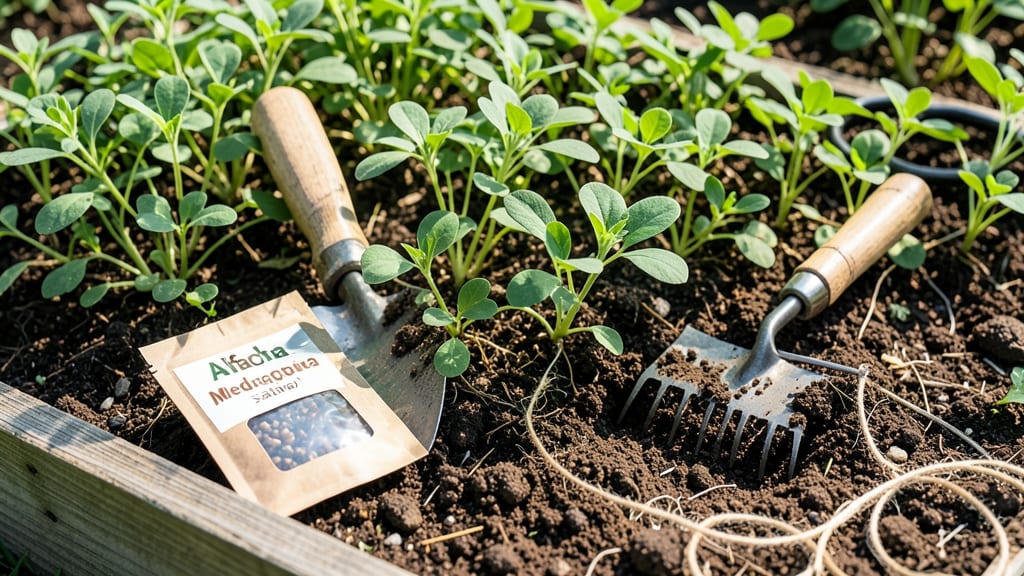
Planting alfalfa in the fall might seem tricky, but timing it right can actually give your crop a head start before winter—especially if you're in USDA Zone 6a or similar climates.
The key is getting those seeds in the ground 6-8 weeks before your first frost, when temperatures are cool but still warm enough for germination.
I’ve seen firsthand how a well-timed fall planting can mean the difference between a struggling first-year crop and a strong, established alfalfa field ready to thrive in its second year.
Whether you're growing it for hay, forage, or soil improvement, the right window ensures your plants develop deep roots before winter sets in.
But here’s the catch: planting too early or too late can leave your alfalfa vulnerable to frost or uneven growth. Let me walk you through the best months for your specific zone, soil prep tips, and how to protect your young plants once they’re in the ground.
By the end, you’ll know exactly when to plant, how to prepare your seedbed, and what to watch for to set your alfalfa up for success—no guesswork involved.
Optimal fall planting months for alfalfa by US hardiness Zones
Timing your alfalfa planting in the fall is all about giving those young roots enough time to establish before winter sets in. Aim for a window 6-8 weeks before your first frost, which typically lands in late summer to early fall—think September or early October for most regions.
This timing ensures your alfalfa isn’t caught off guard by freezing temperatures while still benefiting from warm soil and cooler air.
Alfalfa thrives when planted early enough to develop a strong root system but not so late that it struggles to mature before winter. In USDA Zones 3-5, where winters are harsh, you’ll want to plant by mid-September at the latest.
Meanwhile, in Zones 6-10, you have a bit more flexibility, with early October often being ideal. The key is to avoid planting too close to frost, as young alfalfa plants are sensitive to cold snaps.
Here’s the golden rule: Calculate your first frost date (check your local USDA zone guide), then count backward 6-8 weeks. This gives your alfalfa just enough time to sprout, grow a few inches, and develop roots that can withstand winter’s chill.
For example, if your first frost is October 15th, aim to plant by early September.
Regional adjustments matter! In the Northern Plains (Zones 3-4), where winters are brutal, planting by late August is safest. Meanwhile, in the Southeast (Zones 7-9), you can push it to mid-October without risking frost damage. Always double-check your local frost dates—microclimates can vary even within the same zone.
One common mistake is waiting too long into fall, thinking the weather is still mild. But alfalfa seeds need warm soil to germinate, and cooler fall temperatures can slow or even halt sprouting.
If you’re in a cooler climate, consider using a seedling tray indoors to get a head start, then transplant outdoors once the soil is still warm enough.
For hay or forage production, fall-planted alfalfa often outperforms spring plantings because it establishes deeper roots over winter, leading to stronger regrowth in spring. However, if you’re growing alfalfa for immediate greens, a fall planting might not yield harvestable shoots until the following year—so plan accordingly!
| USDA Zone | Ideal Planting Window | Notes |
|---|---|---|
| Zones 3-5 | Late August - Mid-September | Harsh winters; plant early for root establishment. |
| Zones 6-7 | Early September - Early October | Moderate winters; flexible timing. |
| Zones 8-10 | Mid-September - Mid-October | Mild winters; can push later dates. |
If you’re unsure about your exact frost date, use a local gardening app or check with your county extension office for precise data. These resources often provide hyper-local frost predictions that generic zone guides might miss.
For example, a Zone 7 garden in the mountains might frost earlier than one in a valley just a few miles away.
Pro tip: If you’re planting alfalfa for spring grazing or hay, a fall planting gives you a head start on growth compared to spring plantings. The roots established over winter will translate to earlier and more abundant harvests the following year.
Just remember—alfalfa is a perennial, so your fall planting will reward you for years to come!
Finally, if you’re in a dry climate, prioritize planting when rainfall is predictable in the coming weeks. Alfalfa needs consistent moisture to germinate, so avoid planting during drought conditions. If natural rain isn’t reliable, plan to supplement with irrigation until the seeds sprout.
With the right timing, your fall-planted alfalfa will be hardy, productive, and ready to thrive—no matter what winter throws its way. 🌱
How to prepare soil and seed for fall alfalfa planting
Fall planting of alfalfa sets the stage for a hardy root system that survives winter. The key? Preparing your soil and seeds correctly. I’ve learned that alfalfa thrives in well-aerated, nutrient-rich soil with the right pH balance—let’s break it down step by step.
First, test your soil pH—alfalfa prefers a neutral to slightly alkaline range (6.5-7.5). If your soil is too acidic, amend it with lime 2-3 months before planting. I’ve found that alfalfa roots struggle in acidic conditions, so don’t skip this step!
Next, inoculate your alfalfa seeds with Rhizobium bacteria to ensure proper nodulation. I always treat seeds with an alfalfa-specific inoculant before planting—this boosts nitrogen fixation by up to 30%. Mix the inoculant with a small amount of water to create a slurry, then coat the seeds thoroughly.
Prepare your seedbed by tilling the soil to a depth of 6-8 inches. Remove any weeds or debris, as competition can stunt young alfalfa plants. I like to add compost or well-rotted manure to improve soil structure and fertility without overloading with nitrogen.
For drainage, ensure the planting area isn’t prone to waterlogging. Alfalfa hates soggy roots, so choose a slightly elevated spot if your yard tends to pool water. A sandy loam soil is ideal—it drains well but retains enough moisture for young seedlings.
Finally, plant your alfalfa seeds 0.5 inches deep, spacing them 4-6 inches apart in rows 12-18 inches apart. Lightly cover with soil and water gently to settle the seeds. Mulch with straw or hay to retain moisture and suppress weeds—this is especially important in dry fall conditions.
With these steps, your fall-planted alfalfa will have the best chance to establish strong roots before winter’s chill sets in. 🌱