
Planting
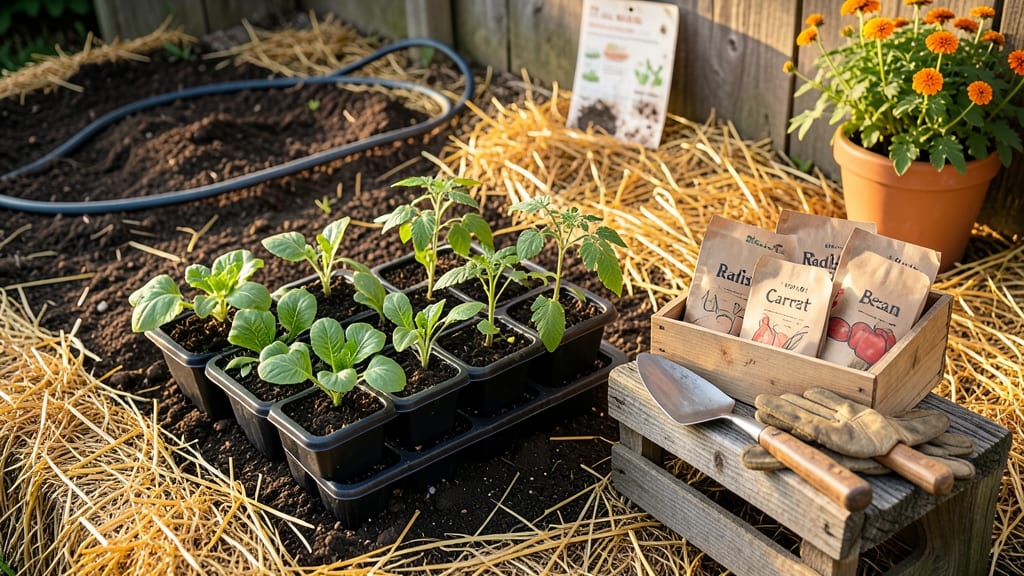
If you’ve ever stared at your seed packets in spring confusion, wondering when to plant a vegetable garden in NC, you’re not alone. North Carolina’s climate throws a curveball—mountain chill clashes with coastal humidity, and frost dates shift dramatically from the Piedmont to the coast.
Timing isn’t just about avoiding frost; it’s about aligning your garden with NC’s heat zones. Plant too early in the Mountains, and a late frost wipes out your lettuce. Wait too long in the Coastal Plain, and summer’s heat turns your tomatoes into sad, sunburned orbs.
The key? Knowing your last frost date—and how to stretch your growing season when Mother Nature plays tricks.
I’ve spent years testing what works in my own NC garden, from the Piedmont’s perfect soil to the Mountains’ shorter seasons. Whether you’re a first-time gardener or a seasoned green thumb, this guide cuts through the guesswork.
You’ll learn the exact months to sow cool-season crops like spinach and when to rush warm-season favorites like okra into the ground.
Ready to grow a garden that thrives? Let’s dive into your region-specific planting calendar, so you can skip the trial-and-error and start harvesting like a pro. Your future salad days depend on it!
NC planting zones & heat zone deadlines by region (Mountains vs. Piedmont vs. coastal)
North Carolina’s 7 distinct heat zones (5A-8B) create wildly different planting windows—what works in Asheville’s Zone 6B (cool mountains) fails in Wilmington’s Zone 8A (humid coast). Your first step?
Identify your last spring frost and first fall frost dates using the table below, then adjust for microclimates like urban heat islands or sheltered valleys.
For example, Zone 5A gardeners in the mountains (e.g., Boone) can start cool-season crops like spinach in March, while Zone 8B gardeners on the coast (e.g., Morehead City) might plant the same crop in November.
The key is aligning your planting with soil warmth (test with a soil thermometer—50°F+ for cool crops, 60°F+ for warm crops).
Pro tip: Use NC State Extension’s frost date maps (linked in the resources section) to refine your timeline. Urban areas like Raleigh (Zone 7B) often experience 2-3 weeks earlier last frosts than rural areas just 20 miles away due to the urban heat island effect.
🌱
Notice how coastal zones (8A/8B) allow cool-season crops year-round—but even there, heat-loving crops like tomatoes won’t thrive until soil temps hit 70°F+. Use a soil thermometer (available for $10 at garden centers) to confirm readiness, especially in sandy coastal soils that warm faster than clay-heavy Piedmont soil.
For warm-season crops (tomatoes, peppers, squash), wait until nighttime temps stay above 50°F—a critical rule for Zone 5A gardeners who risk blossom-end rot from cool nights.
In Zone 8B, you can plant okra and sweet potatoes as early as February, but tomatoes still need to wait until April.
🌡️
Don’t overlook microclimates: A south-facing slope in the Piedmont might warm 2 weeks earlier than your flat yard. Test your spot by planting radishes (fast-growing) in March—if they thrive, your zone is likely warmer than average.
Conversely, valleys and low-lying areas often experience later frosts due to cold air pooling.
Finally, succession planting is your secret weapon. In Zone 7B, you can plant bush beans every 2 weeks from April to July for a continuous harvest. Miss this window, and you’ll face overwhelming harvests all at once—a common mistake in NC gardens.
☀️
Best vegetables to plant in NC by season (with exact month-by-month timing)
North Carolina’s diverse microclimates mean your vegetable choices should shift with the seasons. Cool-season crops like broccoli and spinach thrive in spring and fall, while okra and sweet potatoes demand summer’s heat.
I’ve curated the top 15 NC-friendly vegetables with their precise planting windows, soil prep needs, and companion planting secrets to boost yields.
For cool-season lovers, start broccoli and kale in early spring (March-April) or late summer (August-September) for fall harvests. These frost-tolerant greens need well-draining soil and partial shade in summer’s peak heat.
Meanwhile, warm-season powerhouses like tomatoes and peppers should wait until after your last frost date—typically mid-April in the Piedmont and late April in the Mountains.
🌱 Pro Tip: Use NC’s heat zones to guide your timing. For example, Southern peas (like crowder peas) thrive in zones 7B-8B and should be planted after May 15 to avoid frost. In cooler mountain zones (5A-6A), wait until June 1 for warm-season crops.
Don’t overlook succession planting for bush beans or lettuce—sow every 2 weeks from spring to fall for continuous harvests. For example, in Zone 7B (Piedmont), plant bush beans on April 15, May 1, and June 1 to avoid overlapping harvests.
In Zone 8A (Coastal), you can even squeeze in a fall crop of radishes by planting September 15!
Soil prep is half the battle. For cool-season crops, amend with compost and aged manure in fall.
For warm-season plants, add sand to heavy clay soils to improve drainage. Test your soil’s pH—most NC vegetables prefer 6.0-6.8, but blueberries (yes, they’re veggies too!) need 4.5-5.5!
🌱 Remember: Microclimates matter! A south-facing slope in the Mountains may be 2 weeks earlier than your neighbor’s frost-prone valley. Adjust your timing based on local frost records (check your NC Cooperative Extension office for hyper-local data).