
Planting
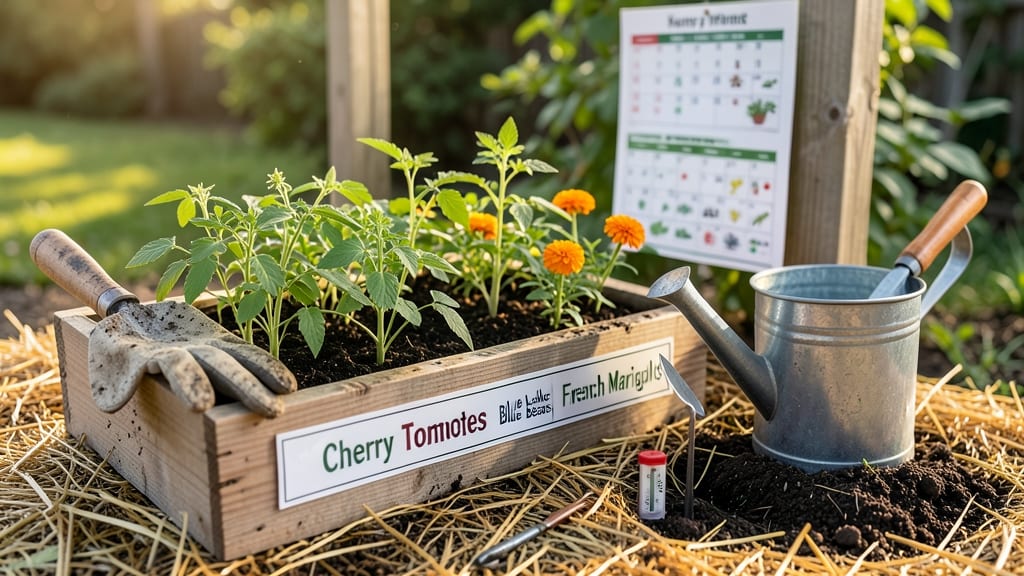
When to plant a garden in Kentucky isn’t just about luck—it’s the difference between a bountiful harvest and wasted seeds. With USDA Zones 6a-7a and frost dates that shift yearly, knowing when to plant your 🌱 General Garden Plants could mean the difference between thriving tomatoes and bolting lettuce.
You’ve probably heard the rule of thumb: "Plant after the last frost," but Kentucky’s microclimates—from Louisville’s urban heat islands to Lexington’s rolling hills—make that advice too vague. The real key is understanding your local frost dates (typically mid-April for most regions) and matching them to your crops.
Cool-season greens like spinach can handle early spring soil, while heat-lovers like peppers need to wait until the ground warms to 60°F.
Here’s what I’ll show you: a Kentucky-specific planting schedule that accounts for late frosts, soil prep secrets, and even how to stretch your growing season with row covers. Whether you’re a first-time gardener or a seasoned pro, these insights will help you avoid common mistakes and maximize your garden’s potential.
Let’s dive into the exact months to plant, which crops thrive in Kentucky’s spring vs. fall, and how to adjust for unpredictable weather. Your garden’s success starts with the right timing—and I’ve got the details to make it happen.
Kentucky planting calendar: frost dates and ideal months by crop type
Kentucky’s USDA Zones 5B and 6A offer a 165-day frost-free season, but exact planting times depend on your microclimate. Northern Kentucky (e.g., Paducah) typically sees its last frost around April 15, while southern areas (e.g., Bowling Green) may wait until May 1.
Always check local UK Extension Service updates for real-time adjustments.
Cool-season crops like lettuce, spinach, and peas thrive when planted 4-6 weeks before your last frost date. For most of Kentucky, this means early March for southern regions and late March in the north.
Warm-season crops such as tomatoes, peppers, and beans need to wait until soil temperatures hit 60°F (15°C), usually mid-April to early May.
🌱
| Crop Type | Planting Window | Soil Temp Requirement | Notes |
|---|---|---|---|
| Cool-Season Vegetables (Lettuce, Spinach, Kale) | March–April (4-6 weeks before last frost) | 45–55°F (7–13°C) | Tolerates light frost; succession plant every 2 weeks. |
| Warm-Season Vegetables (Tomatoes, Peppers, Beans) | April 15–May 15 (after last frost) | 60°F+ (15°C+) | Start indoors 6–8 weeks before transplanting. |
| Flowers (Marigolds, Zinnias, Sunflowers) | April–June (after frost risk) | 50°F+ (10°C+) | Direct sow after soil warms; deadhead for longer blooms. |
| Herbs (Basil, Cilantro, Dill) | March–April (basil) or July–August (cilantro) | 55°F+ (13°C+) | Basil bolts in heat; cilantro prefers cooler fall weather. |
| Fall Crops (Carrots, Radishes, Broccoli) | July–August (60–75 days before first frost) | 50–60°F (10–15°C) | Use row covers to extend harvest into October. |
For perennials like asparagus or strawberries, plant in early spring (March–April) to establish roots before summer heat. Bulbs such as tulips or daffodils should go into the ground in fall (October–November), about 6–8 weeks before frost.
Kentucky’s first frost typically arrives between October 15 and November 1, but high-elevation areas (e.g., Mountain Parkway) may see frost as early as September 30. Use row covers or cold frames to protect tender crops like tomatoes or peppers if you’re eager to extend your harvest.
🌿
Always monitor soil temperature with a thermometer—it’s more reliable than air temperature. Warm-season crops like cucumbers and squash need 70°F+ (21°C+) soil to germinate, while cool-season crops like cabbage and Brussels sprouts can handle 40°F (4°C) soils.
Pro tip: If you’re in Zone 6A (e.g., Lexington), aim to plant warm-season crops by May 1 to avoid late spring frosts, which can still occur in early May. For Zone 5B (e.g., Louisville), push planting dates to mid-May for safety.
✂️
Best crops to plant in Kentucky’s spring vs. fall seasons
Kentucky’s spring and fall seasons offer distinct opportunities for gardeners, with cool-season crops thriving in early spring and late fall, while warm-season crops shine during summer. The key is understanding which plants perform best in each season and how to time your plantings for maximum yield.
In Kentucky’s USDA Zones 5B-6A, spring planting typically starts in March-April, while fall planting wraps up by mid-September to avoid early frost.
For spring planting, focus on warm-season crops like tomatoes, peppers, and beans, which need soil temperatures above 60°F (15°C). These crops should be planted 2-4 weeks after your last frost date, usually around mid-April.
Meanwhile, cool-season crops like lettuce and spinach can be sown as early as February under row covers or in March directly in the garden.
Fall planting is all about cool-season crops again, but with a focus on hardy varieties like kale, carrots, and radishes.
These can be sown as late as mid-September in Kentucky, giving them time to mature before the first frost, typically around mid-October. Succession planting is also key in fall—sow seeds every 2-3 weeks to ensure a continuous harvest until frost.
Spring vs. Fall Planting: Pros and Cons
Spring Planting
- Pros: Longer growing season for warm crops
- Cons: Risk of late frost damage
Fall Planting
- Pros: Cooler temps reduce pest pressure
- Cons: Shorter daylight hours
One of my favorite spring crops is bush beans, which thrive in Kentucky’s warm soil and produce quickly—often ready to harvest in just 50-60 days. I always plant them after the last frost in early May to avoid any lingering cold snaps.
For fall planting, I rely on radishes because they grow so fast—some varieties mature in as little as 25 days, making them perfect for late-season harvests.
Soil temperature is critical for success. Use a soil thermometer to check when it’s safe to plant warm-season crops—they won’t germinate well in cold soil. For cool-season crops, focus on soil preparation in early spring or late summer, adding compost to improve fertility and drainage.
In Kentucky’s clay-heavy soils, amending with organic matter can make all the difference in plant health and yield.
Don’t forget about succession planting—this technique ensures you’re always harvesting fresh produce. For example, sow lettuce every 2 weeks from spring through early fall to enjoy a continuous supply.
The same goes for bush beans or zucchini—plant new seeds every 3-4 weeks to extend your harvest window. This is especially useful in Kentucky’s shorter growing season.
Timing your plantings correctly can turn your Kentucky garden into a year-round productive space. By leveraging spring’s warmth and fall’s mild temperatures, you can enjoy fresh produce from early May through November.
Start with these seasonal guidelines, and soon you’ll be harvesting like a pro—no matter the time of year! 🌿