
Planting
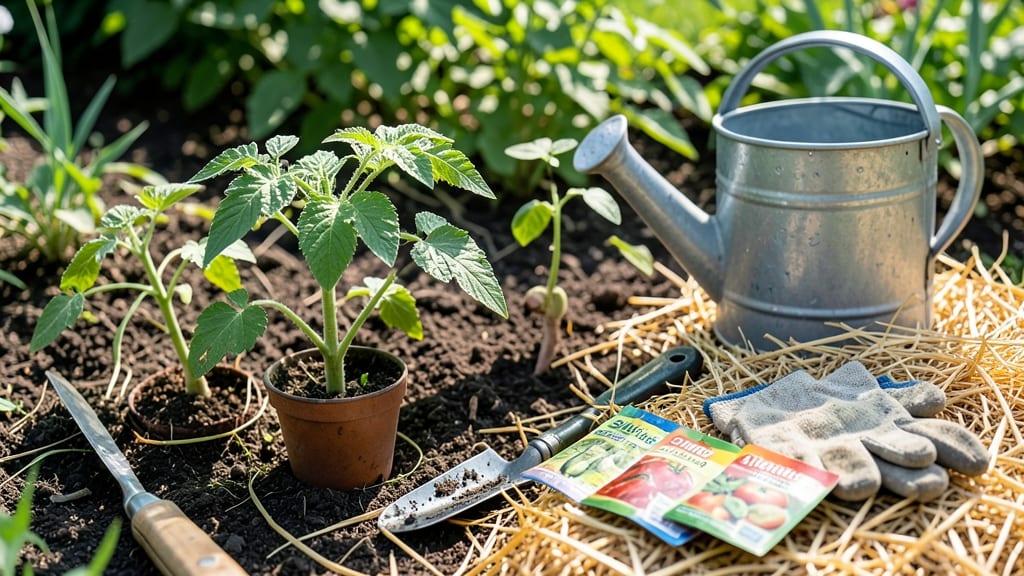
Timing when to plant a garden in Arkansas could mean the difference between a bountiful harvest and a sad, frost-nipped disappointment. Arkansas gardeners know the struggle—plant too early, and Mother Nature throws a surprise freeze your way; wait too long, and you miss the sweet spot for peak growth.
With Arkansas' diverse 7a-8a zones, there's no one-size-fits-all answer, but I've dug into the data to give you the exact windows that work.
Whether you're in the cooler Ozarks or the warmer Delta region, knowing when to plant cool-season crops like lettuce (as early as February) or warm-season favorites like tomatoes (after April 15) makes all the difference.
This isn't just about dates—it's about understanding your microclimate. Urban heat islands in Little Rock can push planting windows earlier than rural areas, while high elevation spots might need to wait. I'll show you how to read your local frost patterns and adjust your schedule for maximum success.
Ready to stop guessing and start growing? Let's break down the precise planting calendar for Arkansas' most popular crops, so you can enjoy fresh veggies from your General Arkansas Garden 🌱 all season long—without the frost-related heartbreak.
Arkansas planting calendar by heat zone: exact months for zero-frost success
Arkansas spans USDA hardiness zones 6b through 8a, meaning your planting schedule should vary from north to south. The last average frost date in northern Arkansas (like Fayetteville) is around March 15, while southern regions (like Little Rock) can start planting 2-3 weeks earlier.
Warm-season crops like tomatoes and peppers need soil temperatures above 60°F—a key factor in Arkansas’ unpredictable spring.
Cool-season crops like lettuce and broccoli thrive when planted 4-6 weeks before your last frost date. In zone 7a (northwest Arkansas), that means starting seeds indoors in February and transplanting outdoors by mid-March.
Meanwhile, zone 8a gardeners (southeast Arkansas) can plant cool crops as early as late January for an extended harvest.
Warm-season crops like okra, sweet potatoes, and southern peas should wait until after May 1 in most of Arkansas, as late frosts can still occur. The first frost typically arrives in mid-November in the north and late November in the south, giving you a 200-240-day growing season to work with.
| Region & Zone | Last Frost | Cool-Season Planting | Warm-Season Planting | Fall Planting Window |
|---|---|---|---|---|
| North AR (6b-7a) | March 15 | Feb 15 - Mar 15 | May 1 - June 1 | Aug 15 - Sep 15 |
| Central AR (7a-7b) | March 1 | Feb 1 - Mar 10 | Apr 20 - May 15 | Jul 30 - Aug 30 |
| South AR (8a) | Feb 15 | Jan 15 - Feb 10 | Mar 20 - Apr 15 | Jul 1 - Aug 15 |
| 🌱 Key: Adjust dates 1-2 weeks earlier for urban areas (heat islands) or later for high elevations (e.g., Ozark Mountains). | ||||
For container gardening in Arkansas, you can push limits further. Containers warm up faster, so you can plant warm-season crops 2-3 weeks earlier than in-ground gardens. Just ensure containers have drainage holes and use lightweight potting mix to prevent overheating.
In the Delta region (zone 8a), gardeners often plant southern peas and okra as early as March because the soil warms quickly. Meanwhile, mountain regions (zone 6b) may need to wait until after May 1 to avoid late frosts.
Always check the Arkansas Cooperative Extension Service for yearly updates on frost predictions.
Fall planting in Arkansas works best from mid-August to mid-September, allowing cool-season crops like kale, spinach, and carrots to mature before the first frost. Use row covers to extend your harvest window into November in milder zones.
Pro tip: Test your soil temperature with a soil thermometer before planting warm-season crops. Aim for 60°F+ for tomatoes and peppers, and 70°F+ for melons and squash. Arkansas’ clay-heavy soils can stay cold longer, so consider black plastic mulch to warm them faster.
Don’t forget about perennials and shrubs! In Arkansas, the best time to plant them is early spring (March-April) or fall (September-October) when soil is moist but not waterlogged. This gives roots time to establish before extreme summer heat or winter cold.
If you’re new to Arkansas gardening, start with cold-hardy crops like collard greens, radishes, and peas—they’ll forgive late starts. For warm-season crops, okra and sweet potatoes are your best bets if you miss the ideal window.
Remember: Arkansas’ microclimates matter. A south-facing slope warms up faster than a north-facing yard, so adjust your planting dates accordingly. Happy gardening! 🌱
How to adjust planting timing for Arkansas’ unpredictable spring weather
Arkansas’ unpredictable spring weather can turn your planting plans upside down—one day it’s 70°F, the next, frost hits again. I’ve learned the hard way that flexibility is key when working with Arkansas’ late frosts, especially after events like the 2023 April freeze that caught many off guard.
Instead of sticking rigidly to a calendar, I now use a mix of soil temperature checks, row covers, and cold-hardy varieties to extend my growing season. These tricks have helped me beat Arkansas’ notorious late-spring frosts and avoid wasted seeds or stunted plants.
The secret? Soil temperature is your best friend—warm-season crops like tomatoes and peppers need soil at at least 60°F to thrive. Use a soil thermometer (only $10!) to check before planting. If it’s cooler, wait or opt for cold-tolerant varieties like ‘Early Girl’ tomatoes or ‘Black Beauty’ eggplants.
- 📅 Plant cool-season crops 4-6 weeks before last frost (use Arkansas Cooperative Extension’s frost maps).
- 🛡️ Use row covers (floating fabric) to protect seedlings from unexpected cold snaps—they add 2-4°F warmth.
- 🌡️ Wait for soil temps of 60°F+ for warm-season crops—check with a soil thermometer.
- 🌱 Choose cold-hardy varieties like ‘Sugar Sprint’ peas or ‘Red Russian’ kale for early planting.
- 🌱 Start warm-season seeds indoors 6-8 weeks before last frost, then transplant after danger passes.
Another game-changer? Succession planting. Instead of planting everything at once, I stagger seeds every 2 weeks for crops like lettuce, spinach, and radishes. This ensures a continuous harvest and reduces the risk of losing your entire crop to a late frost.
For warm-season crops, I’ve had success with black plastic mulch to warm the soil faster. Lay it down 2-3 weeks before planting—it can raise soil temps by 5-10°F, giving your tomatoes and peppers a head start.
Finally, keep an eye on the Arkansas Cooperative Extension Service’s frost alerts. Their local advisories are updated weekly and can save you from a costly surprise. With these adjustments, you’ll turn Arkansas’ unpredictable spring into your garden’s superpower.