
Plants
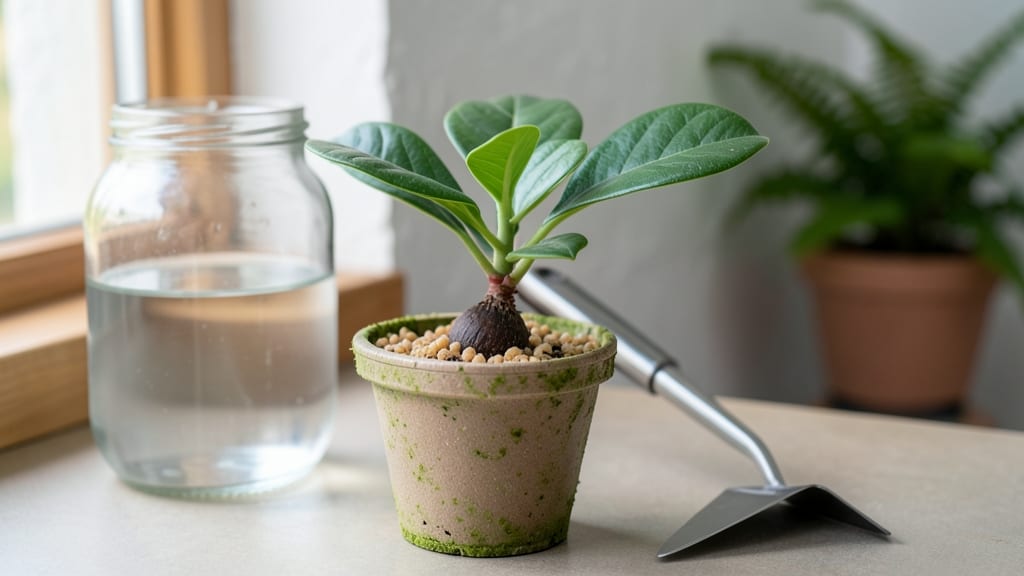
Timing your avocado seed planting in soil can mean the difference between a thriving 🥑 avocado tree and a sad, stunted seedling. If you rush it, your seed might rot; if you wait too long, it could lose its energy to sprout.
The key lies in watching for those subtle signs that your seedling is ready to graduate from water to soil—and doing it at the right temperature.
Most gardeners in Zone 6a make the move between April and May, once daytime temperatures consistently stay above 60°F. That’s when soil warms up enough to support root growth without shocking your delicate young plant.
But here’s the catch: indoor seeds often need a different approach than outdoor ones, and skipping this step can delay your tree’s growth by months—or worse, kill it.
In this guide, I’ll walk you through exactly how to tell when your avocado seed is ready for soil, plus the fastest way to prep it for planting. You’ll learn how to avoid common mistakes that slow down germination and discover the secret trick for encouraging faster root development.
Let’s get your 🥑 avocado tree off to the right start!
Whether you’re a first-time gardener or a seasoned plant parent, getting this step right is your ticket to a healthier, faster-growing tree. Ready to skip the guesswork and plant with confidence? Let’s dive in.
Optimal timing for planting avocado seeds in soil: climate and seasonal factors
Avocado seeds thrive when planted at the right time—too early or late can stunt growth or even kill your seedling. The key is soil warmth and frost-free conditions, since avocados are tropical plants that despise cold.
In most regions, spring planting (after last frost) yields the best results, but indoor germination can extend your window year-round.
For outdoor planting, aim for when daytime temperatures consistently stay above 60°F (15°C). In USDA Zone 6 (like much of the Midwest), this typically means waiting until mid-April to early May.
If you live in warmer climates (Zones 9-11), you can plant as early as February or March, but avoid summer heatwaves, which can dry out young roots.
Indoor germination removes climate restrictions—you can start anytime, but spring or early summer still offers the fastest growth. Place your seed near a south-facing window or under grow lights to mimic ideal conditions.
The goal is to transition to soil when your seedling has 2-3 inches of roots and a 1-2 inch stem, regardless of outdoor temperatures.
Here’s the critical rule: Never plant in cold soil. Avocado roots struggle below 55°F (13°C), and frost will kill your seedling instantly. Test soil temperature with a thermometer or wait until nighttime lows stay above 50°F (10°C). Patience here prevents months of setbacks.
| Factor | Ideal Condition | Actionable Tip |
|---|---|---|
| Soil Temperature | 60°F+ (15°C+) | Use a soil thermometer; wait for warmth. |
| Frost Risk | None (after last frost) | Check local frost dates; plant 2 weeks after. |
| Seedling Size | 2-3" roots, 1-2" stem | Measure before planting; larger = stronger. |
| Light Availability | 6+ hours sun/day | South-facing spot or grow lights. |
| Humidity | 50%+ (higher for indoor) | Mist leaves daily; use humidity tray. |
Regional differences matter—avocados hate freezing temperatures, so in colder zones (Zones 5-7), treat them as houseplants until summer. Move pots outdoors only when nights stay above 55°F (13°C). In tropical zones (8-11), you can plant year-round, but avoid peak summer (high heat stresses young roots).
Pro tip: If you’re in doubt, germinate indoors first. This buys you time to harden off seedlings before outdoor planting. Start seeds in water in winter or early spring, then transplant to soil by late spring.
This two-step method gives your avocado a 3-4 month head start on growth.
Watch for leaf color as a readiness signal. Healthy avocado leaves are dark green and glossy—pale or yellow leaves mean your seedling isn’t getting enough light or nutrients.
Pair this with firm, white roots (not brown or mushy) to confirm it’s ready for soil. Ignore these signs, and you risk root rot or stunted growth.
Finally, container gardening extends your planting window. Use well-draining pots (at least 6 inches deep) to grow avocados indoors year-round. Just ensure your space gets bright, indirect light—a south-facing window or LED grow lights work best. This flexibility lets you plant anytime, not just during spring’s narrow window.
Timing isn’t just about the calendar—it’s about balancing warmth, light, and seedling strength. Master these factors, and your avocado seed will transition to soil smoothly, setting the stage for years of lush growth. 🥑
Optimal timing for planting avocado seeds in soil: climate and seasonal factors
Avocado seeds thrive best when planted in warm soil (at least 60°F/15°C), making spring planting the ideal choice for most regions. In USDA Zone 6 (like my home garden), I aim to plant seeds in late April or May, after the last frost date.
This timing ensures your seedling avoids cold snaps that can stunt growth or even kill tender new roots.
For tropical climates (Zones 10-11), avocado seeds can be planted year-round, but early spring still offers the best balance of warmth and moisture.
If you're in a cooler zone (Zones 7-9), wait until soil temperatures consistently stay above 65°F/18°C—usually mid-May to June—to give your seed the best start.
| Climate Zone | Best Planting Window | Soil Temp Requirement | Key Consideration |
|---|---|---|---|
| Zones 10-11 (Tropical) | Year-round (peak: March-May) | 65°F+ (18°C+) | No frost risk; prioritize rainfall |
| Zones 7-9 (Temperate) | Mid-May to June | 60°F+ (15°C+) | Wait for stable warm soil |
| Zones 6 & below (Cool) | Late April-May (after frost) | 65°F+ (18°C+) | Use containers for flexibility |
Indoor planting offers flexibility if outdoor conditions aren't ideal. I often start seeds near a south-facing window in February or March to give them a head start. Just ensure your indoor space stays above 60°F/15°C—a heat mat can help maintain warmth if your home runs cool.
For outdoor planting, I recommend waiting until nighttime temperatures stay above 50°F/10°C to prevent shock.
Regional variations matter too. In California's coastal areas, I plant seeds in early spring (March-April) when ocean breezes warm the soil. Meanwhile, in drier inland zones, I delay until June to align with natural rainfall patterns.
Always check your local frost dates—planting too early risks root damage from unexpected cold snaps.
Pro tip: Use a soil thermometer to confirm warmth before planting. I’ve seen seeds planted in 55°F/13°C soil struggle to sprout, while those in 70°F/21°C soil shoot up in just 2-3 weeks. Patience here pays off—rushing can lead to weak, leggy seedlings that take months to recover.
If you’re in doubt, start seeds in water first (a classic method) and transition to soil once roots reach 2-3 inches. This gives you 3-4 weeks to monitor conditions and adjust timing.
Just remember: soil warmth is more critical than calendar dates—your seed will thank you with faster, stronger growth.