
Companion Plants
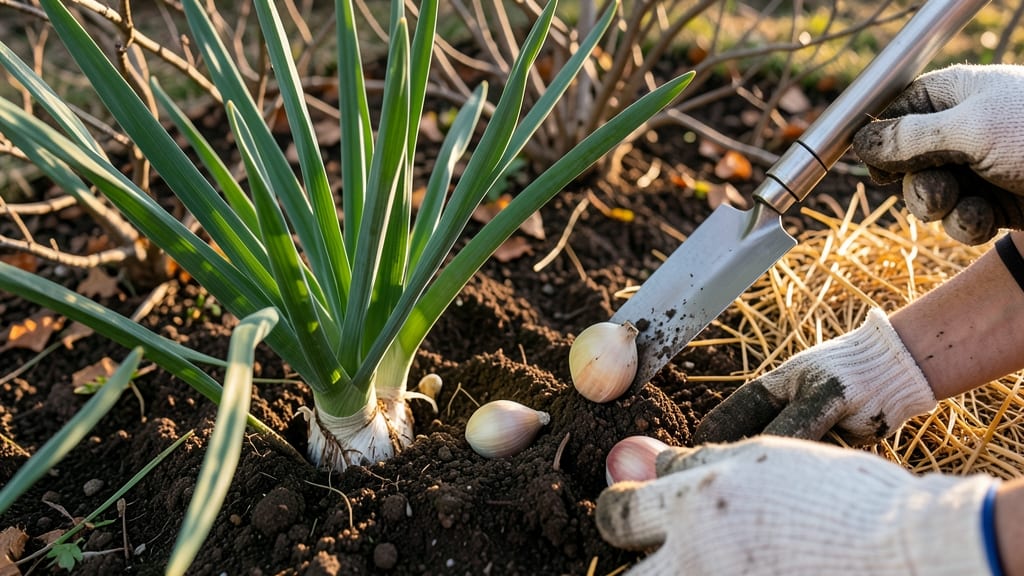
Timing your garlic planting in Zone 7 isn't just about sticking cloves in the ground—it's the key to growing those plump, flavorful bulbs you crave. Plant too early, and your harvest might struggle; too late, and you'll miss the sweet spot for strong root development before winter sets in.
Most gardeners in Zone 7 swear by fall planting—specifically between October and November—when soil temperatures dip into that perfect 50-60°F range. This cold period actually helps hardneck varieties develop those prized scapes, while softnecks benefit from an early start before the ground freezes solid.
But what if you missed your fall window? Don't panic—spring planting in February or March still works, though your bulbs may mature slightly later.
The secret lies in giving your garlic enough time to establish roots before summer heat kicks in, ensuring those 🧄 beauties reach their full potential by harvest season.
Let me walk you through the exact timing, soil prep tricks, and even how to adjust for early vs. late harvests—so you can grow garlic that rivals what you'd buy at the store (or better!).

Best planting months for garlic in Zone 7: science-backed timing
Garlic thrives in Zone 7 when planted during its natural cold stratification period—a 6-8 week exposure to temperatures between 35-50°F. This chilling phase triggers bulb formation, so timing is everything for large, flavorful harvests.
For most of Zone 7, that means planting in late October or early November—just before the ground freezes but after daytime temps drop below 70°F.
If you miss the fall window, don’t panic! You can also plant garlic in early spring (February-March), though bulbs may be smaller and less robust. The key is ensuring your garlic gets its required cold period before actively growing.
In Zone 7’s mild winters, this often means planting 4-6 weeks before the first hard frost (typically mid-October).
Hardneck varieties (like Music or German White) need this cold period more than softneck types (like Silverskin). If you’re unsure which to choose, hardnecks are better for Zone 7’s climate—they produce larger cloves and scapes, which you can harvest early for extra flavor.
| Planting Window | Ideal Months | Soil Temp | Bulb Maturity |
|---|---|---|---|
| Fall Planting | Late October - Early November | 40-50°F | July-August (large bulbs) |
| Spring Planting | February-March | 45-55°F | July-August (smaller bulbs) |
| Late Fall Planting | Mid-November | 35-45°F | July-August (moderate size) |
🌱 Pro Tip: Use a soil thermometer to confirm temps—garlic roots need consistent cold but not freezing.
To nail your planting window, check your last frost date (usually mid-April in Zone 7) and count backward. Plant garlic 6-8 weeks before the ground freezes solid, typically by mid-November at the latest.
If you plant too early (like September), the garlic may sprout and die back before winter, reducing bulb size. Conversely, planting too late (December+) risks poor root establishment before dormancy.
For hardneck varieties, aim for October 15-30—this gives them enough time to develop roots before winter. Softneck varieties are slightly more flexible and can handle late November plantings, though they’ll mature slower.
Always plant individual cloves, not whole bulbs, with the pointy end facing up and 2 inches deep in loose, well-draining soil.
One common mistake in Zone 7 is waiting until December to plant garlic, thinking it’s still "fall." By then, the soil is often too cold for roots to establish properly.
Instead, prioritize October-November and use mulch (straw or leaves) to insulate the soil. This protects cloves from freeze-thaw cycles while allowing them to slowly grow roots over winter.
If you’re unsure about your local frost dates, consult the USDA Plant Hardiness Zone Map or your local Cooperative Extension Service. They provide hyper-local advice tailored to microclimates within Zone 7.
For example, northern Zone 7 (e.g., Cincinnati) may need earlier plantings than southern Zone 7 (e.g., Atlanta), where winters are milder.
Remember: Garlic planted in fall will produce larger, more flavorful bulbs than spring-planted garlic. The cold stratification process is non-negotiable for optimal growth. Once you’ve mastered your planting window, focus on soil prep—garlic loves well-draining, slightly acidic soil (pH 6.0-7.0) rich in organic matter.
Amend your soil with compost or aged manure before planting to set your garlic up for success.
After planting, label your rows (garlic looks like grass until spring!) and water lightly to settle the soil. Avoid overwatering—garlic rots in soggy soil. In spring, you’ll see green shoots emerge, signaling your garlic is on track for a bountiful harvest in late summer. 🧄
How to adjust planting for early vs late harvests in Zone 7
Adjusting your garlic planting schedule in Zone 7 can shift your harvest window by months—whether you want early bulbs for spring use or larger harvests in late summer. The key lies in soil temperature and frost timing, which directly impact bulb size and maturity.
For early harvests, plant garlic in late October or early November. This shorter cold period produces smaller but earlier-maturing bulbs, perfect for spring cooking.
Conversely, planting in October gives garlic a full 6-8 weeks of cold, resulting in larger, more flavorful bulbs ready for mid-to-late summer harvests.
Here’s how to decide which timing works best for your goals:
- Pros: Harvests in June-July for spring use
- Pros: Smaller bulbs, but faster maturity
- Cons: Reduced bulb size (40-50% smaller)
- Cons: Less flavor intensity
- Pros: Larger bulbs (ideal for storage)
- Pros: More flavorful and longer storage life
- Cons: Harvests in July-August (later season)
- Cons: Requires more patience for full maturity
Soil preparation also differs: November plantings need warmer soil (50-60°F) to avoid rot, while October plantings thrive in cooler, 40-50°F soil. Test your soil’s temperature with a soil thermometer before planting to avoid mistakes.
For Zone 7 gardeners, I recommend starting with October plantings for the best balance of bulb size and flavor. If you need garlic earlier, try a small November batch alongside your main crop to spread out your harvest.
Remember: Mulch heavily (4-6 inches) to protect cloves from freeze-thaw cycles, which can damage emerging shoots. Use straw or shredded leaves for insulation.