
Plants
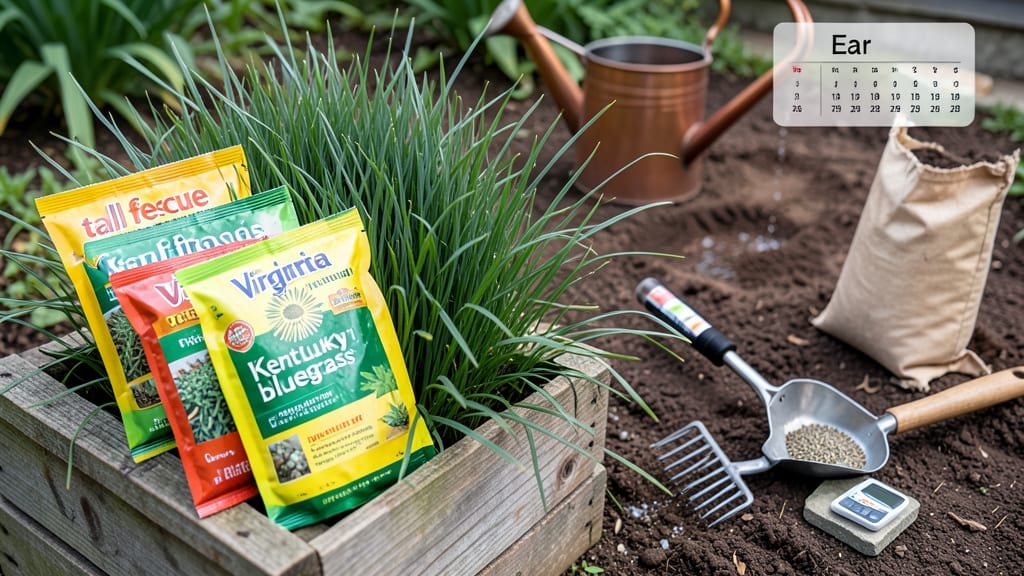
If you’ve ever planted grass seed in Virginia only to watch it struggle or fail to take root, you’re not alone—and the problem might be timing.
The best time to plant grass seed in Virginia isn’t just about picking a season; it’s about tapping into the fast germination windows when soil temperatures and moisture align perfectly for success.
Virginia’s USDA Zones 6a-8a create a unique climate where early fall and late spring are the best periods to sow grass seed. Why? Because cooler temperatures and consistent rainfall give your seed the ideal conditions to sprout quickly and establish strong roots before summer heat or winter dormancy sets in.
In this guide, I’ll break down exactly when to plant—whether you’re in coastal Virginia or the Piedmont region—and how to prepare your soil for fast germination. No more guesswork, just a lush, resilient lawn that starts with the right timing.
Ready to transform your lawn? Let’s dive into the best months, soil prep tips, and grass seed types that thrive in Virginia’s climate.
Virginia’s optimal grass seed planting windows by season (zone 7a/7b)
Virginia’s USDA Zone 7a/7b climate creates perfect conditions for grass seed germination during two key windows: early fall and late spring. These periods align with soil temperatures between 50°F and 65°F, which are ideal for seed activation without stressing young plants.
Fall planting (August-September) is my top recommendation because cooler temperatures reduce water evaporation and weed competition, while giving grass time to establish deep roots before winter. Spring planting (March-April) works too, but requires vigilance against late frost risks and drought stress as temperatures rise.
Here’s why these windows work best in Virginia’s climate:
| Season | Best Months | Soil Temp | Key Benefits |
|---|---|---|---|
| Early Fall | August-September | 50°F-65°F | Cooler temps, less weed competition, deep root growth |
| Late Spring | March-April | 55°F-65°F | Longer daylight, faster germination, but frost risk |
| Avoid | May-July | Above 75°F | High heat stress, drought risk, poor germination |
| Avoid | November-February | Below 40°F | Seed dormancy, frost damage, slow growth |
For coastal Virginia (like Hampton Roads), aim for late August planting to avoid summer humidity and fungal diseases. Inland areas (like Roanoke) can plant slightly earlier in early September when daytime temps drop below 80°F consistently.
I always check the 7-day soil temperature forecast before planting—aim for 50°F minimum at 4 inches deep. Use a soil thermometer (available at garden centers) to verify conditions match these ideal ranges.
One common mistake I see is planting too early in spring when soil is still cold or too late in fall when frost is imminent. Both scenarios lead to poor germination. The 6-week window before first frost (typically mid-November) is your safest bet for fall planting.
Pro tip: If you miss these windows, consider sod instead of seed for summer planting—it establishes faster in Virginia’s heat. But for the best results, stick to the fall or spring windows and prepare your soil properly.
Remember, consistent moisture is just as critical as timing. After planting, keep the soil evenly moist (not soggy) for the first 3-4 weeks to encourage strong root development.
Virginia’s optimal grass seed planting windows by season (zone 7a/7b)
Timing your grass seed planting in Virginia is all about leveraging the 50-65°F soil temperature window—the sweet spot where seeds germinate quickly without stress. In USDA Zone 7a/7b, this means focusing on early fall (August-September) and late spring (March-April) for maximum success.
Fall planting is my top recommendation because cooler air temperatures and consistent rainfall create ideal conditions. Seeds sprout before summer heat arrives, giving roots time to establish before winter dormancy. Spring planting works too, but you’ll need to act fast—before mid-April—to avoid summer drought stress.
Here’s why these windows work best in Virginia’s climate:
| Season | Best Months | Soil Temp (°F) | Why It Works |
|---|---|---|---|
| Early Fall | August-September | 55-65°F | Cooler temps reduce evaporation; consistent rain keeps soil moist. |
| Late Spring | March-April | 50-60°F | Warmer days + cooler nights prevent seed stress; early growth avoids summer drought. |
If you’re in coastal Virginia, like Hampton Roads, aim for September planting—the humidity and mild winters give seeds extra time to root. Inland areas (e.g., Piedmont or Shenandoah Valley) can plant as early as late August to beat summer’s intensity.
Avoid planting in summer (June-August)—the heat causes seeds to dry out before germinating, and winter (December-February) brings freezing temperatures that halt growth. Even if you miss the ideal windows, May or October can work in a pinch, but expect slower results.
Pro tip: Check soil temps with a soil thermometer (available at garden centers) before planting. If temps dip below 50°F, wait—your seeds will thank you with faster, stronger growth.