
Plants
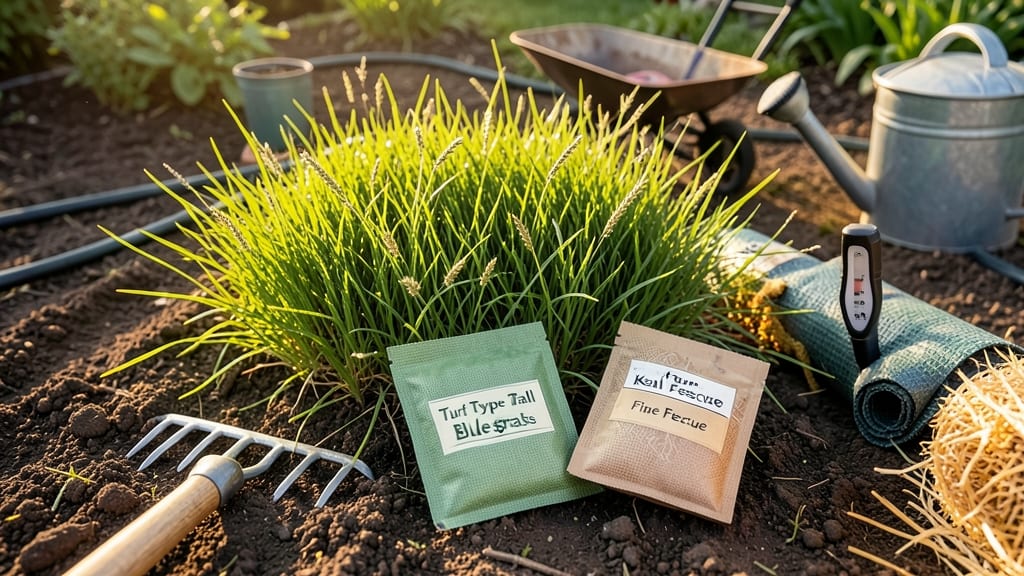
If you’ve ever wondered when is the best time to plant grass seed in Massachusetts, only to watch it struggle through summer heat or freeze before taking hold, you’re not alone.
The best time to plant grass seed in Massachusetts isn’t just about picking a season—it’s about beating the clock between frost and drought. Whether you’re tackling a new lawn or overseeding an old one, getting the timing right means the difference between a fast, thick stand and patchy, weak growth.
Here’s the truth: fall planting (late August to early October) gives grass roots a head start before winter, while spring (March to early May) works if you act quickly after the last frost.
But Massachusetts’ 5b-6b climate throws curveballs—coastal areas like Cape Cod have milder winters, while inland spots near the Berkshires can get frost earlier. I’ll break down exactly when to plant, how to prep your soil, and which grass types thrive in your corner of the state.
You’ll also discover why soil temperature matters more than calendar dates, how to stretch your planting window with simple tricks, and the biggest mistakes that kill grass seed before it even sprouts. Let’s get your lawn off to the best start possible—no guesswork, just results.
Ready to transform bare spots into a lush carpet? The clock’s ticking, and the perfect moment to plant is closer than you think.
Massachusetts grass seed planting calendar: spring vs fall rules for optimal germination
Massachusetts’ cool-season climate makes timing critical for grass seed success. Unlike warmer climates, fall planting dominates here because cooler temps reduce weed competition and drought stress.
But spring planting still works—if you follow the rules. Let’s break down the ideal planting windows by month, including soil temperature thresholds and regional adjustments.
Most Massachusetts gardeners achieve the best results by planting between late August and early October (fall) or early April to mid-May (spring). These windows align with soil temperatures between 50°F and 75°F, perfect for germination.
Coastal areas like Cape Cod may shift these dates by 1-2 weeks later due to milder microclimates.
Here’s how to match your region’s last frost dates with planting windows:
| Planting Window | Best Months | Soil Temp (°F) | Regional Adjustments |
|---|---|---|---|
| Fall Planting | Late August–Early October | 50°F–75°F | Coastal: Shift to September–October |
| Spring Planting | Early April–Mid-May | 50°F–65°F | Western MA: April–May |
| Late Spring (Risky) | June–July | 65°F–80°F | Only for drought-resistant varieties |
| Early Fall (Best) | September–October | 55°F–70°F | Avoid planting after first frost |
Fall planting is ideal because grass seeds germinate quickly in cool, moist soil and establish deep roots before winter. Spring planting, however, risks weed competition and drought stress as temperatures rise. If you miss the fall window, early spring (before weeds wake up) is your next best bet.
For coastal Massachusetts (e.g., Cape Cod, Martha’s Vineyard), extend your fall window by 2 weeks due to milder ocean-influenced temps. Inland areas like Western MA may need to plant 1-2 weeks earlier to avoid early frosts.
Always check your local frost dates—the USDA Plant Hardiness Zone Map for MA (zones 5b-6b) is a great resource.
Pro tip: Use a soil thermometer to confirm temps. Grass seeds need consistent moisture and stable temperatures—if soil temps drop below 50°F, germination slows dramatically. Aim for 60°F–70°F for fastest results.
If you’re planting in late spring (June–July), choose drought-tolerant varieties like tall fescue or fine fescue. These handle summer heat better than Kentucky bluegrass, which struggles in MA’s hot, dry spells. Just be prepared for slower establishment and more weed pressure.
Remember: The earlier you plant in fall, the more time your grass has to root deeply before winter. A September planting often outperforms a late October one because seedlings won’t be stressed by early frost. Plan ahead!
For overseeding existing lawns, follow the same rules—but reduce seed rates by 25–50% since you’re filling gaps, not starting fresh. Use a light layer of compost and a starter fertilizer to give new seeds a boost.
🌱
5 Critical factors that determine your grass seed planting success in Massachusetts
Timing matters, but soil conditions make or break your grass seed success in Massachusetts. The ideal pH range of 6.0-7.0 ensures nutrients are available for new roots. Test your soil using a DIY kit (available at garden centers) or send a sample to UMass Extension for professional analysis.
Next, moisture retention is key—especially during summer droughts. Amend heavy clay soils with compost or sand to improve drainage, while sandy soils benefit from organic matter like peat moss. A simple percolation test (pouring water and measuring drainage speed) helps you adjust.
🌱 Critical Factors for MA Grass Seed Success
- Soil pH: 6.0-7.0 (test with DIY kit or UMass Extension)
- Moisture: Keep top 2" of soil consistently damp (not soggy)
- Sunlight: 6+ hours daily for cool-season grasses (Kentucky bluegrass, fescue)
- Weed Control: Pre-emergent herbicide 2 weeks before seeding
- Soil Temp: 50-70°F for germination (fall is ideal)
Don’t overlook sunlight exposure—most Massachusetts lawns thrive with full sun (6+ hours daily). Shady areas (common in dense forests or under large trees) require shade-tolerant varieties like fine fescue. Use a sunlight tracker for a week to map your yard’s light patterns before planting.
Weed competition is another silent killer. Apply a pre-emergent herbicide 2 weeks before seeding to block weeds, then hand-pull any sprouts that appear. For organic options, use corn gluten meal as a natural pre-emergent—it’s safe for grass but stunts weed seeds.
Finally, soil temperature dictates germination speed. Use a soil thermometer ($10 at garden centers) to confirm 50-70°F—ideal for cool-season grasses. In Massachusetts, this typically aligns with late August to early October for fall planting, while spring requires patience until soil warms post-last frost.
Pro tip: Mulch lightly with straw (not wood chips) after seeding to retain moisture and protect seeds from birds. Remove mulch once grass reaches 2-3 inches tall to avoid smothering new growth.